
Key Takeaways
- Choosing the right VR flying simulator directly impacts your arcade’s profitability and long-term success.
- Key factors include motion system, headset quality, content updates, and space requirements.
- High-quality systems with 360° rotation and vertical motion deliver stronger immersion and higher revenue potential.
- Reliable hardware + exclusive game content ensures repeat customers and stable income.
- Understanding maintenance, operation, and payment systems helps reduce hidden costs.
Thinking About Buying a VR Flying Simulator? Start Here
If you’re searching for a VR flying simulator buying guide, you’re likely at a critical stage:
You’re no longer asking “Is this trend real?”
You’re asking “Which machine should I choose?”
This is where many buyers make costly mistakes.
The right simulator can become your top revenue generator.
The wrong one can sit idle and waste valuable floor space.
This guide answers the 10 most important questions every buyer should ask—explore the 3-seat VR flying simulator to see how it fits your business.
1. What Type of Motion System Does It Use?
Not all VR simulators are created equal.
Basic Systems
- Limited movement
- Mostly visual experience
Advanced Systems (Recommended)
Look for:
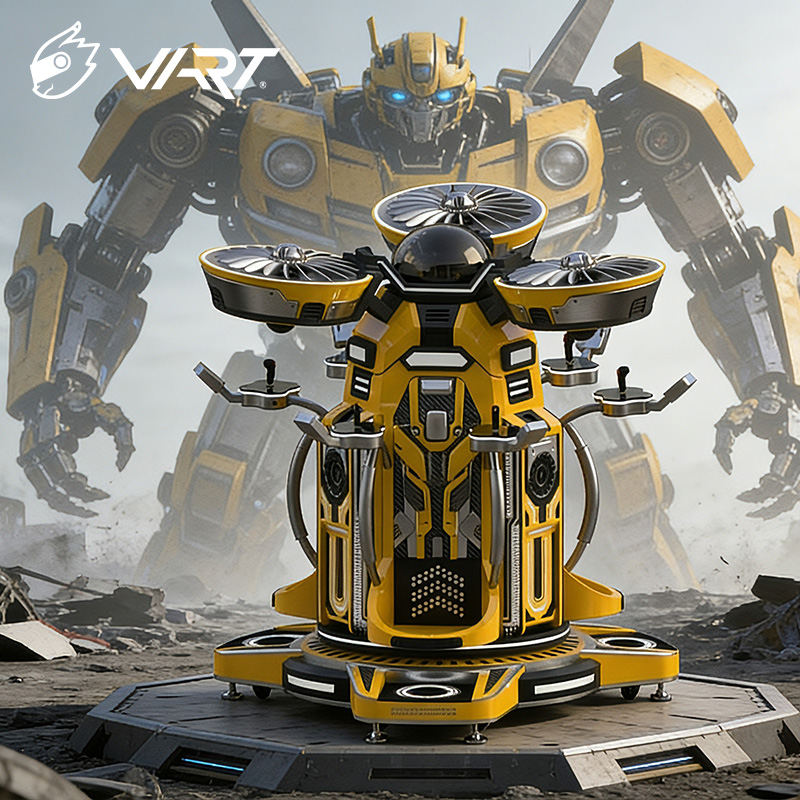
- 360° rotation
- Vertical motion (hard lift)
- Smooth motion control
Why it matters:
- Stronger immersion
- Higher excitement
- Better customer retention
2. Does It Deliver Real “Weightlessness” Sensation?
One of the biggest selling points of a VR flying simulator is weightlessness.
This is achieved through:
- Vertical drops
- Dynamic lifting motion
Without it:
- The experience feels flat
With it:
- Players feel like they are truly flying
3. Which VR Headset Should You Choose?
The headset determines visual clarity, comfort, and tracking accuracy.
Recommended Option — DPVR E3S
Why it’s widely used in commercial VR:
- High resolution
- Stable performance
- Enterprise-level durability
What to Look For
- Lightweight design
- Wide field of view
- Reliable tracking
A poor headset can ruin even the best simulator.
4. Does It Offer Exclusive Custom Games?
Content is just as important as hardware.
Why Exclusive Games Matter
Machines with exclusive custom-developed games offer:
- Unique experiences
- Higher replay value
- Competitive advantage
Continuous Content Updates
Ask:
- Are new games added regularly?
- Is the content optimized for motion?
This ensures your machine stays relevant over time.
5. How Many Players Can Use It at Once?
Player capacity directly affects revenue.
Single vs Multi-Player
| Type | Players | Revenue Potential |
|---|---|---|
| Single-seat | 1 | Low |
| Double-seat | 2 | Medium |
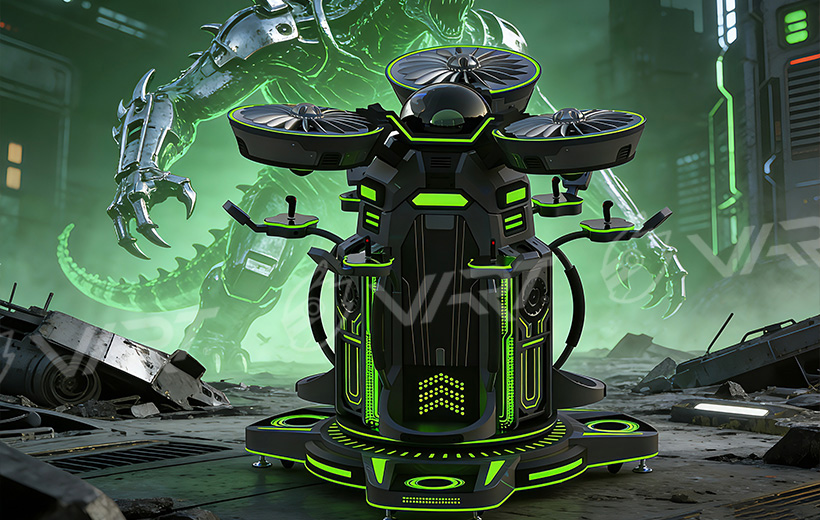
| 3-seat system | 3 | High |
More players =
- Higher throughput
- Better space utilization
6. What Space Do You Need?
Before buying, you must confirm your venue layout.
Typical Machine Size
For a 3-seat VR flying simulator:
- L2350 × W2350 × H2160 mm
Space Planning Tips
- Leave extra room for safety
- Ensure ceiling height clearance
- Consider customer waiting area
Proper layout improves both safety and profitability.
7. How Easy Is It to Operate?
Operational complexity affects your daily cost.
Semi-Self-Service Mode (Recommended)
Modern systems offer:
- Simplified controls
- Automated gameplay flow
- Minimal supervision
Why It Matters
- Reduces staff requirement
- Lowers training cost
- Improves efficiency
One person can manage multiple machines.
8. What Payment Systems Are Supported?
Payment flexibility directly impacts conversion rate.
Look for Multi-Payment Support
- QR code payments
- Card payments
- Coin systems
Business Advantage
- Faster transactions
- More customer options
- Better revenue tracking
9. What About Maintenance and Reliability?
This is often overlooked—but critical.
Key Factors
- Hardware durability
- Ease of maintenance
- Manufacturer support
Why It Matters
- Reduces downtime
- Ensures consistent income
- Protects long-term investment
10. Will It Attract Customers?
Attraction is everything in a VR arcade.
Design Matters
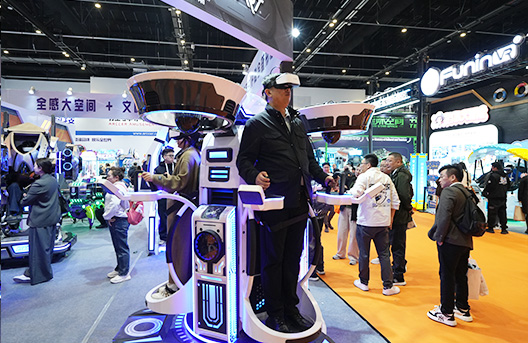
Top-performing machines feature:
- Sci-fi aesthetics
- Mecha-inspired structure
- LED lighting systems
- Visible motion effects
The “Crowd Magnet” Effect
When a machine:
- Looks powerful
- Moves dynamically
- Feels immersive
It naturally attracts attention and drives sales.
Quick Buyer Checklist
| Factor | What to Look For | Why It Matters |
|---|---|---|
| Motion System | 360° + vertical | Real immersion |
| Headset | High-quality (e.g., Deepoon E3S) | Visual clarity |
| Content | Exclusive + updates | Replay value |
| Capacity | Multi-player | Higher revenue |
| Operation | Semi-automated | Lower cost |
| Payment | Multi-method | Better conversion |
| Size | Fits venue | Safe installation |
| Maintenance | Easy + reliable | Long-term ROI |
Before making your final decision, you can explore the full product details and see how this simulator fits your business:
Get a quote for the 3-seat VR flying simulator and start your VR arcade business today.
FAQ
What should I look for when buying a VR flying simulator?
Focus on motion system, player capacity, content quality, and ease of operation.
Is a 3-seat simulator better than a single-seat one?
Yes. It allows more players per session, increasing revenue and efficiency.
How important is content in VR simulators?
Very important. Exclusive and updated content drives repeat customers and long-term profitability.
What space is required for installation?
Typically around L2350 × W2350 × H2160 mm, plus additional safety space.
How can I reduce operating costs?
Choose machines with semi-self-service systems and low maintenance requirements.
Post time: May-04-2026