
Introduction
For many investors and entertainment venue operators, the key question is not just what a 5D cinema is, but whether it can generate sustainable profits. As immersive entertainment continues to grow worldwide, 5D cinema has become a popular attraction in theme parks, shopping malls, and VR experience centers.
By combining motion seating, vibration simulation, and multi-sensory effects, this cinema format offers more than visual storytelling—it delivers a complete immersive experience that encourages repeat visits and premium ticket pricing. But how profitable is it in real-world operation?
To understand the technology behind this format, it helps to first explore what a 5D cinema is and how immersive motion systems work.
Why 5D Cinema Attracts Paying Audiences?
One of the main reasons this cinema format performs well commercially is its strong appeal to a wide range of audiences. Unlike traditional movie theaters, immersive motion cinema offers something new, exciting, and physically engaging.
Visitors are drawn to:
-
Short, high-impact experiences
-
Physical movement and vibration feedback
-
Environmental effects that enhance realism
Because the experience feels different every time, audiences are more willing to pay for repeat rides, especially in tourist-heavy locations.
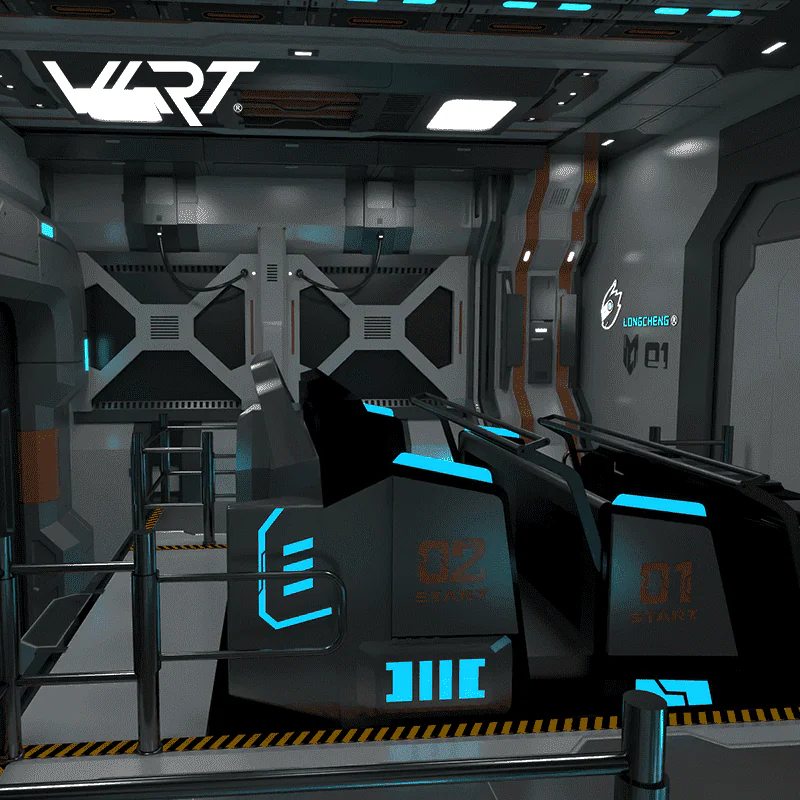
Revenue Streams of a 5D Cinema Business
Ticket Sales and High Throughput
Most immersive cinema films last between 5 and 15 minutes. This short duration allows operators to serve a high number of visitors per hour, significantly increasing daily ticket volume.
Group-based seating also means:
-
Multiple tickets sold per session
-
Faster return compared to single-user VR setups
Content Updates and Repeat Play
With access to a wide library of action, adventure, and family-friendly films, operators can regularly refresh content. New themes and stories help maintain customer interest without major hardware changes.
This flexibility is a major advantage when competing for foot traffic in malls and entertainment venues.
Cost Structure and Operational Efficiency
From an investment perspective, understanding costs is essential. Compared with large-scale rides or fully interactive VR arenas, a 5D cinema system typically offers a balanced cost-to-performance ratio.
Key cost considerations include:
-
Initial equipment investment
-
Space preparation and installation
-
Power consumption and routine maintenance
Once installed, operational costs remain relatively low due to:
-
Minimal staffing requirements
-
Automated control systems
-
Durable motion and vibration components
ROI Advantages Compared with Other Attractions
5D Cinema vs Traditional Cinema
Traditional cinemas rely heavily on film licensing and long screening times. In contrast, immersive motion cinema focuses on experience value rather than movie length, allowing higher pricing per minute.
5D Cinema vs VR Simulators
While VR simulators provide strong immersion, they usually support fewer users at one time. A cinema-based solution allows:
-
Group participation
-
Faster guest turnover
-
Lower per-user operating cost
This makes it especially attractive for operators targeting families and tourist groups.
Ideal Locations for Maximum Profitability
The success of a 5D cinema business depends heavily on location. The most profitable installations are typically found in:
-
Theme parks, where immersive attractions drive repeat visits
-
Shopping malls, where entertainment increases dwell time
-
VR experience centers, where motion cinema complements interactive games
High foot traffic and strong visual presence significantly improve revenue potential.
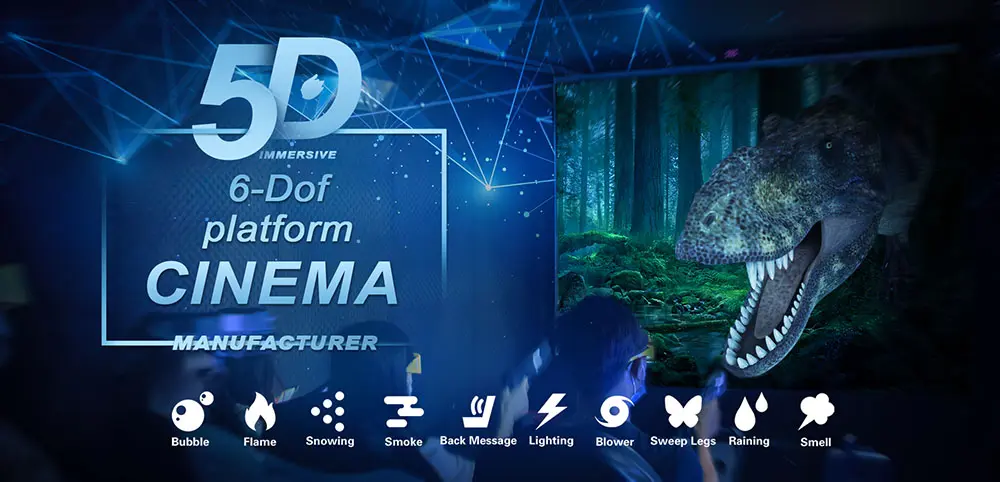
Customization and Scalability for Long-Term Growth
Another key factor in profitability is customization. Systems can be configured with different seat numbers, effect intensity levels, and visual styles to match venue size and target audience.
As business grows, operators can:
-
Expand seating capacity
-
Upgrade effects
-
Introduce new content themes
This scalability protects the initial investment and supports long-term growth.
Potential Risks and How to Manage Them
Like any entertainment investment, immersive cinema carries certain risks. These may include motion sensitivity among some users or seasonal fluctuations in visitor numbers.
Operators can reduce these risks by:
-
Offering adjustable motion intensity
-
Rotating content regularly
-
Combining the cinema with other attractions
Clear safety guidelines and proper staff training also improve customer satisfaction.
Conclusion – Is 5D Cinema Worth the Investment?
For many entertainment venues, the answer is yes. With strong audience appeal, efficient operation, and flexible customization options, 5D cinema offers a compelling balance between immersive experience and commercial performance.
When paired with the right location and content strategy, this format can deliver consistent revenue and a solid return on investment, making it an attractive option for operators looking to stand out in a competitive entertainment market.
Frequently Asked Questions
How long does it take to recover the investment?
Recovery time depends on location, ticket pricing, and visitor flow. In high-traffic venues, many operators report stable returns within a reasonable operating period.
Is this business suitable for small venues?
Yes. Compact cinema configurations make it possible to install immersive motion systems even in limited spaces, especially in malls and indoor entertainment centers.
Post time: Jan-05-2026