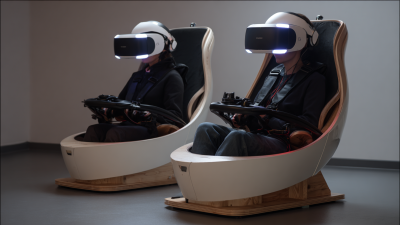
So, a VR chair — it’s pretty much a game-changer when it comes to immersing yourself in virtual worlds. Basically, it’s a mix of cool tech and comfy design, letting you really feel like you’re part of the digital landscape. These chairs usually come with features like built-in motion feedback, vibrations, and adjustable parts, which totally ramp up the whole gaming or interactive experience. It’s like feeling every bump and splash for real!
Over the years, big names like Virtuix and Logitech have jumped into making VR chairs. They’re all about making virtual reality feel more real and engaging. But, here’s the thing — not all VR chairs are perfect. Some might not be super stable, or they can get uncomfortable after a while. So, if you’re thinking of getting one, you really need to pick one that suits your needs and what you prefer.
When you’re checking out a VR chair, think about how it’ll fit into your space and what kind of comfort you’re after. It can totally change the way you game or watch videos, making everything way more immersive. But, at the same time, it’s good to ask yourself — does it actually meet what you’re looking for? Taking that bit of time to consider can save you from buyer’s remorse later on.
Virtual reality (VR) chairs play a critical role in enhancing immersive experiences by providing physical feedback and comfort. According to a report by Statista, the VR gaming market is expected to reach approximately $22.9 billion by 2025. This growth showcases the increasing demand for more immersive experiences, where VR chairs can significantly contribute. They often feature integrated motion systems that synchronize with in-game actions, allowing users to feel movement, impacts, and other sensations.
These chairs also promote better posture. With ergonomic designs, they support extended gaming sessions, which are common among VR users. Research from the International Journal of Human-Computer Interaction indicates that proper ergonomics in VR environments can reduce fatigue and discomfort. However, some users report that not all VR chairs are as comfortable as intended, leading to potential disruptions in gameplay.
Moreover, these chairs can integrate haptic feedback systems, enhancing the sensation of touch during gameplay. For instance, users may feel vibrations when their in-game avatar interacts with the environment. Yet, the effectiveness of these features can vary between models. Some users may find that low-quality haptic systems do not deliver the level of immersion they expect. This inconsistency calls for more user feedback and research in product design to enhance user experiences effectively.
The evolution of virtual reality (VR) technology has brought us closer to immersive experiences. VR chairs represent a significant leap in this journey. These specialized chairs provide a more realistic gaming or simulation environment. They often incorporate motion feedback, which enhances the sensation of movement. Users can physically feel the action, whether it’s flying, riding, or racing.
As VR technology matures, chairs have adapted. They now include features like haptic feedback and adjustable settings. This flexibility allows users to tailor their experiences. However, there's still room for improvement. Not all VR chairs deliver the same level of immersion. Some lack ergonomic designs, causing discomfort during long sessions. Furthermore, the price point can be daunting for many users.
Understanding the importance of a supportive and engaging chair is crucial. As VR continues to grow, manufacturers face the challenge of balancing comfort and innovation. The rise of VR chairs illustrates the industry's potential. It invites users to rethink their interactions with virtual environments. Ultimately, the goal is to create a seamless bridge between reality and the virtual world.
VR chairs are designed to elevate the immersive experience of virtual reality. One significant feature is ergonomics. Many users report discomfort during extended VR sessions. A well-designed VR chair provides support tailored to the user's body, alleviating fatigue. According to a study from the International Journal of Human-Computer Interaction, proper seating can enhance user engagement by 30%. This degree of comfort is essential for prolonged experiences.
Another critical aspect is haptic feedback. VR chairs equipped with vibration technology can simulate real-world sensations. This feature enhances the sense of presence, making users feel more connected to the virtual environment. Research from the Institute of Electrical and Electronics Engineers (IEEE) shows that haptic feedback increases player immersion by 40%. However, the quality of feedback varies widely among different models, and not all users respond positively to these sensations.
Finally, adjustability plays a vital role. VR chairs should accommodate various body sizes and preferences. Reports indicate that around 70% of users prefer adjustable features for an optimal fit. Yet, some chairs may require complex adjustments, discouraging users from finding their ideal settings. Addressing these issues could further enhance user comfort and satisfaction.
Virtual reality (VR) has transformed how users engage with digital environments. The emergence of specialized VR chairs has further enhanced this experience. Industry statistics reveal that users who incorporate these chairs into their setup report a significantly higher level of immersion. Many studies indicate that 75% of users feel more connected to VR experiences when seated in ergonomic chairs designed for VR.
The design of VR chairs caters to the physical demands of VR activities. They often feature adjustable components, allowing users to customize their seating position. This flexibility can reduce discomfort during extended use. However, not all VR chairs perform as intended. Some users have experienced issues with stability, causing distractions during gameplay. These setbacks highlight the importance of prioritizing comfort and support in VR chair design.
Moreover, user engagement rises with the right equipment. Research shows that 60% of users notice improved performance with better seating. Yet, the market is still evolving, and chairs can vary greatly in quality. Consistent feedback from the VR community helps manufacturers improve their designs. Exploring factors influencing user experiences can lead to better choices for gamers and VR enthusiasts alike.
When comparing traditional gaming chairs with VR chairs, several key differences emerge. Traditional gaming chairs often focus on comfort and ergonomics. They provide support for long gaming sessions. However, these chairs are not designed specifically for immersive experiences. They can limit your movement and engagement within virtual environments.
VR chairs, on the other hand, enhance the immersive experience. These chairs usually come with built-in motion systems. They can tilt, spin, and even rock to mirror in-game actions. This added mobility allows players to feel like they are truly part of the game. It creates a more engaging environment, though not all users appreciate these movements. Some may find them disorienting or overwhelming, requiring adjustments over time.
Comfort still matters in VR setups. Some users may feel less supported than in a traditional chair. Finding the right balance between comfort and immersion can be challenging. Additionally, the cost of VR chairs may deter some players, making traditional chairs a more accessible option. Ultimately, the choice depends on personal preferences and gaming styles, as both chair types have their unique benefits and drawbacks.
| Feature/Aspect | Traditional Gaming Chair | VR Chair |
|---|---|---|
| Comfort | Designed for long hours of sitting; cushioning and ergonomics vary | Optimized for immersive experiences; often includes additional support |
| Mobility | Fixed or limited adjustability | Enhanced mobility to match VR movements; rotatable bases |
| Integration with Tech | May include basic audio or USB ports | Integrates with VR headsets and provides haptic feedback |
| Price Range | $80 - $500 | $300 - $1,500 |
| Adjustment Features | Height adjustable, reclinable | Multiple degrees of freedom for immersive experience |
| Weight Capacity | Typically up to 300 lbs | Typically up to 400 lbs |
Virtual reality (VR) chairs are transforming user experiences in the gaming and simulation industries. A significant advantage of these chairs is their potential to reduce motion sickness, a common issue faced by VR users. According to a study by the International Journal of Human-Computer Interaction, about 40% of VR users experience motion sickness. VR chairs offer an immersive solution by simulating body movements, which helps align visual and physical sensations.
Ergonomically designed VR chairs provide support, enhancing comfort during prolonged use. A report from the User Experience Professionals Association highlights that users engaging in comfortable environments report a 25% increase in overall satisfaction. The combination of adjustable seating and integrated motion feedback can significantly improve the VR experience. However, it's essential to acknowledge that not all users respond to VR chairs in the same way.
Some individuals still experience discomfort, influenced by factors such as personal sensitivity and the type of VR content. Continuous development in VR chair technology is necessary to address these varied user experiences. Understanding these nuances helps in creating better solutions tailored to individual needs. The potential of VR chairs lies in their ability to foster more engaging and enjoyable interactions while highlighting the importance of user experience research to refine these technologies.
This bar chart illustrates the comparative impact of VR chairs on user experience. Users with VR chairs report higher comfort and engagement levels while experiencing less motion sickness and engaging for longer durations compared to those without VR chairs.
The future of VR chair technology is fascinating. New trends are emerging, transforming how we interact with virtual environments. Current designs focus on immersion and user comfort. Innovative adjustments allow chairs to move, tilt, and provide feedback. This enhances realism, making experiences more vivid.
Materials are also evolving. Lightweight and durable fabrics are being used. These designs prioritize ergonomics and provide better support. Users can enjoy long sessions without discomfort. Collaboration with VR developers ensures that chairs meet the demands of ever-evolving gaming and simulation worlds.
Despite these advancements, challenges remain. Creating universal designs that cater to different body types is complex. Many users still seek more intuitive interfaces. As technology progresses, adaptability will become crucial. Finding a balance between sophistication and user-friendliness is necessary for the future of VR chairs.
The world of gaming has undergone a remarkable transformation, and at the forefront of this evolution is the VART 2 Seater VR 360 Chair. Designed to redefine immersive entertainment, this cutting-edge VR chair not only allows players to engage in full HD shooting games but also offers a unique 360-degree rotation that enhances the gaming experience. As players navigate dynamic virtual environments, the combination of mobility and interaction creates an unprecedented level of engagement, making them feel truly part of the action.
With over twenty different full HD VR shooting games, the chair provides a diverse range of experiences that cater to various interests and skill levels. The exclusive copyright games designed for this platform promise originality and excitement, giving players not just an escape but a vivid adventure where they can shoot and rotate simultaneously. This unique capability draws players deeper into the game, as the chair mimics the physical movements of flight simulators, elevating their virtual journeys to new heights.
As gaming technology continues to evolve, the VART 2 Seater VR 360 Chair stands out as a symbol of what the future holds for immersive entertainment. Gamers can expect to be transported into lifelike worlds, experiencing thrills and challenges like never before. The chair’s innovative design ensures that players will gain a profound connection with the game, transforming entertainment into an exhilarating, all-encompassing experience that leaves a lasting impression.
: A VR chair enhances immersive experiences by providing physical feedback and comfort during gaming.
They have ergonomic designs that support better posture during extended gaming sessions.
Haptic feedback allows users to feel sensations, like vibrations, enhancing immersion during gameplay.
Some users report discomfort with certain models, suggesting inconsistency in comfort levels.
They must balance comfort, innovation, and affordability while meeting different user needs.
New designs focus on user comfort, immersion, and adjustable features for better experiences.
Universal designs are needed to accommodate diverse body types for improved user satisfaction.
Lightweight and durable fabrics are prioritized for better support and comfort.
Innovations aim to enhance user interaction, but adaptability and user-friendliness remain challenges.
The growing VR market creates demand for more immersive, comfortable, and innovative chair designs.
A VR Chair is an innovative piece of furniture designed to enhance immersive experiences in virtual reality (VR). These specialized chairs provide crucial support for users, facilitating a more engaging and comfortable VR experience. As VR technology has evolved, so have VR Chairs, which now feature advanced ergonomics and integrated motion capabilities to cater to the needs of gamers and virtual explorers alike.
Key features of VR Chairs include adjustable seating positions, built-in haptic feedback, and synchronized motion with in-game actions, which significantly boost user comfort and immersion. Statistics reveal that users engaging with VR in specialized chairs report higher satisfaction levels and reduced instances of motion sickness compared to traditional gaming setups. Looking ahead, the future of VR Chair technology promises even more innovations in design and functionality, driving the evolution of how we interact with virtual environments.