
When evaluating a VR motion simulator for commercial use, many operators focus heavily on the initial purchase price. However, long-term success depends just as much on maintenance requirements and daily operating costs. Understanding these factors helps venues avoid unexpected expenses and ensures stable profitability over time.
This article explains VR motion simulator maintenance and operating costs from a commercial perspective, helping malls, family entertainment centers (FECs), and theme parks plan sustainable operations.
Why Maintenance & Operating Costs Matter for Commercial Venues?
In commercial environments, attractions are expected to operate for long hours with minimal downtime. Even small operational inefficiencies can quickly impact profitability.
Key reasons operators should evaluate operating costs include:
-
Predictable monthly expenses
-
Reduced downtime risk
-
Easier staffing and training
-
Long-term ROI stability
A clear understanding of ongoing costs is essential for accurate investment planning.
Typical Daily Operating Costs of VR Motion Simulators
Compared with large mechanical rides, VR motion simulators are known for relatively low daily operating costs.
Common cost components include:
-
Electricity consumption
-
Routine inspection and cleaning
-
Software or content updates
-
Minor consumable parts
For most commercial venues, these costs remain stable and manageable, even during peak operating periods.
Maintenance Requirements in Real-World Operation
Routine maintenance for VR motion simulators typically focuses on prevention rather than repair. Regular checks help ensure smooth operation and reduce the risk of unexpected downtime.
Typical maintenance tasks include:
-
Visual inspection of moving components
-
Tightening structural connections
-
Cleaning sensors and VR equipment
-
Monitoring system performance
These tasks can usually be performed by on-site staff after basic training.
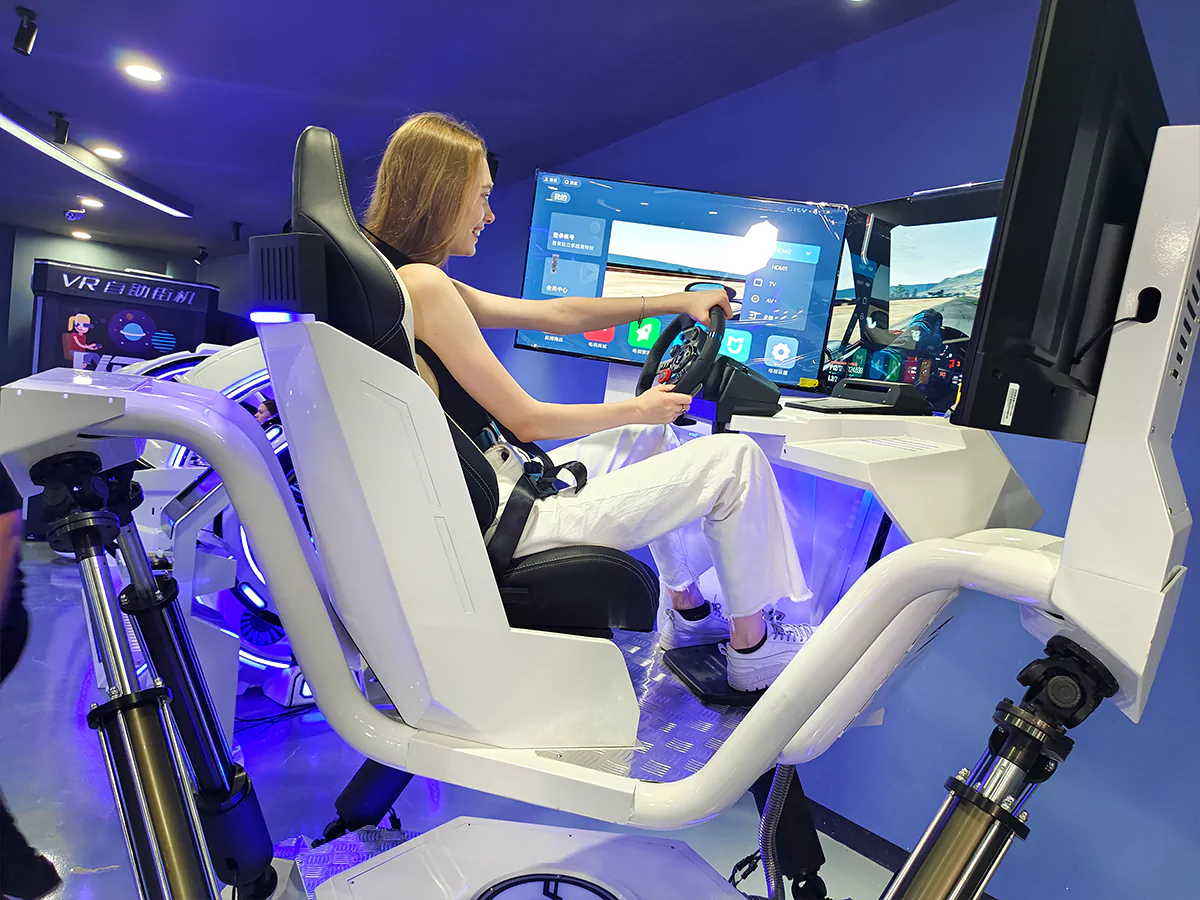
Downtime & Reliability Considerations
Reliability is a critical factor in commercial environments where consistent operation directly affects revenue. Well-designed VR motion simulators are built for continuous use and long service life.
From an operational standpoint, venues benefit from:
-
Stable system architecture
-
Modular component design
-
Easy access to replacement parts
-
Remote technical support availability
Minimizing downtime helps operators maintain customer satisfaction and revenue continuity.
Operating Costs vs Traditional Attractions
When compared to traditional amusement rides, VR motion simulators offer several cost advantages.
| Cost Factor | Traditional Rides | VR Motion Simulators |
|---|---|---|
| Daily energy use | High | Moderate |
| Maintenance complexity | High | Lower |
| Staffing needs | Multiple operators | Minimal |
| Content refresh | Hardware-based | Software-based |
This cost structure makes VR simulators more adaptable to changing entertainment trends without major reinvestment.
Long-Term Cost Planning & Scalability
One of the major advantages of VR motion simulators is scalability. Operators can start with a basic configuration and expand or update content over time without replacing the entire system.
This approach allows venues to:
-
Control long-term expenses
-
Adapt to changing audience preferences
-
Extend the lifecycle of the attraction
-
Maintain consistent ROI performance
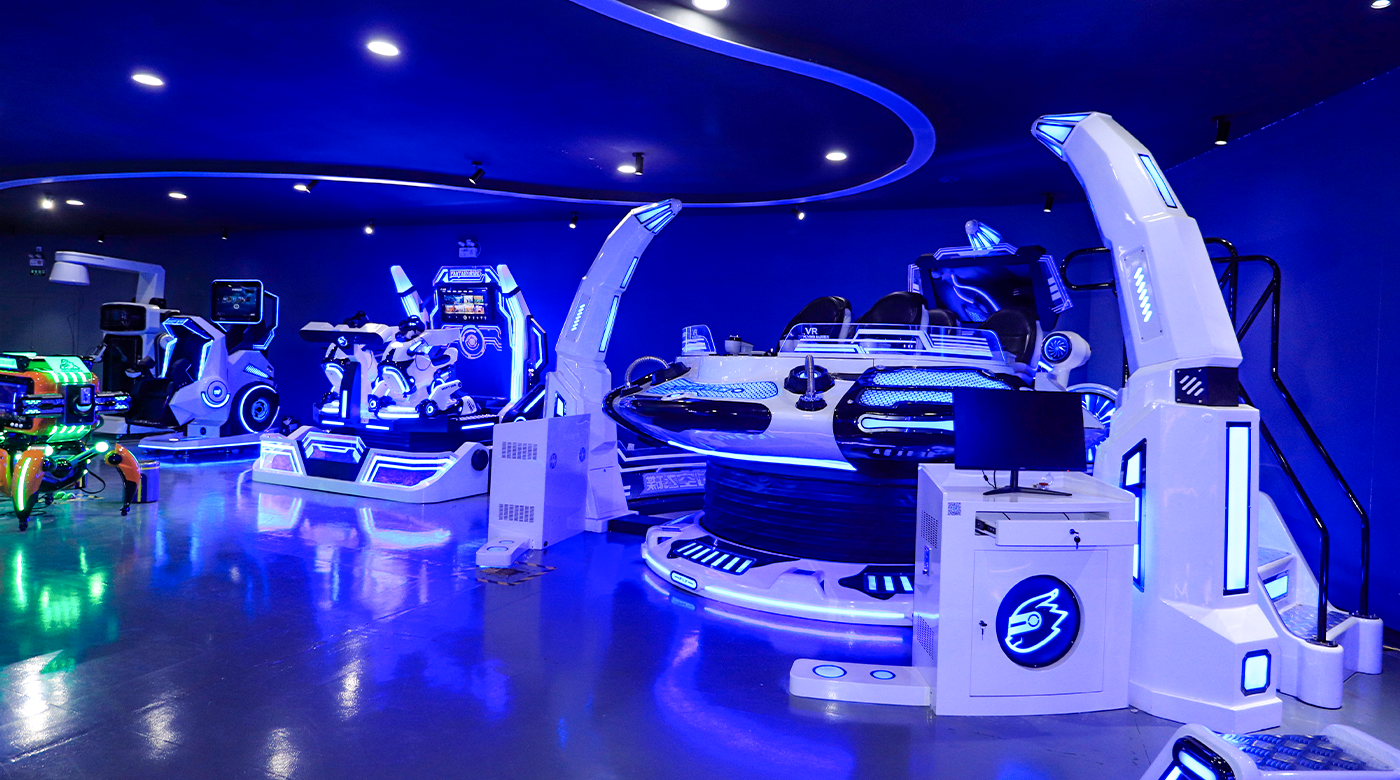
Is a VR Motion Simulator Easy to Operate?
From a day-to-day management perspective, VR motion simulators are designed to simplify operation. Most systems feature intuitive control interfaces and automated safety checks, reducing the need for specialized technical staff.
This ease of operation contributes directly to lower labor costs and smoother daily workflows.
FAQ
Q: Are VR motion simulators expensive to maintain?
A: No. Routine maintenance is generally simple and cost-effective compared to traditional mechanical rides.
Q: Do VR motion simulators require full-time technical staff?
A: Typically not. Basic training is sufficient for daily operation and inspection.
Q: How often do components need replacement?
A: Most components are designed for long-term use, with replacement schedules depending on usage intensity.
Post time: Feb-06-2026