
Investing in a VR motion simulator has become one of the most effective ways for commercial entertainment venues to attract customers, increase dwell time, and generate high-margin revenue. From shopping malls and family entertainment centers to theme parks and tourist attractions, VR motion simulators are rapidly replacing traditional arcade and ride-based attractions.
However, understanding the real VR motion simulator cost, operating expenses, and return on investment is essential before making a purchasing decision. This guide provides a complete breakdown of pricing, profitability, and key considerations for commercial buyers.
What Factors Affect VR Motion Simulator Cost?
The cost of a commercial VR motion simulator varies widely depending on configuration, technology, and application scenario. Unlike consumer VR products, commercial systems are built for continuous operation, safety compliance, and long-term profitability.
The main factors influencing cost include:
-
Motion platform type (electric or hydraulic)
-
Number of seats (single-seat, two-seat, or multi-seat)
-
VR hardware & control system
-
Content system and licensing
-
Customization and branding
-
Shipping, installation, and local regulations
Each of these components directly impacts both initial investment and long-term ROI.
VR Motion Simulator Cost Breakdown (Detailed)
Understanding how costs are distributed helps operators choose the right configuration without overpaying for unnecessary features.
| Cost Component | Typical Share | Description |
|---|---|---|
| Motion Platform | 35–45% | Core mechanical system |
| VR System & Control | 15–20% | Headsets, sensors, controllers |
| Content System | 10–15% | Licensed or proprietary content |
| Structure & Seats | 10–15% | Frame, seating, safety design |
| Installation & Logistics | 5–10% | Shipping, setup, testing |
This breakdown shows why commercial-grade systems differ significantly from entry-level entertainment equipment.
Typical Price Range for Commercial VR Motion Simulators
Based on market data and supplier offerings, VR motion simulator cost typically falls into three tiers:
| Category | Price Range | Best For |
|---|---|---|
| Entry-Level | $15,000 – $25,000 | Small arcades, startups |
| Mid-Range | $30,000 – $60,000 | FECs, shopping malls |
| High-End | $70,000+ | Theme parks, large venues |
Mid-range systems are the most popular choice due to their balance of performance, durability, and profitability.
Installation & Space Requirements
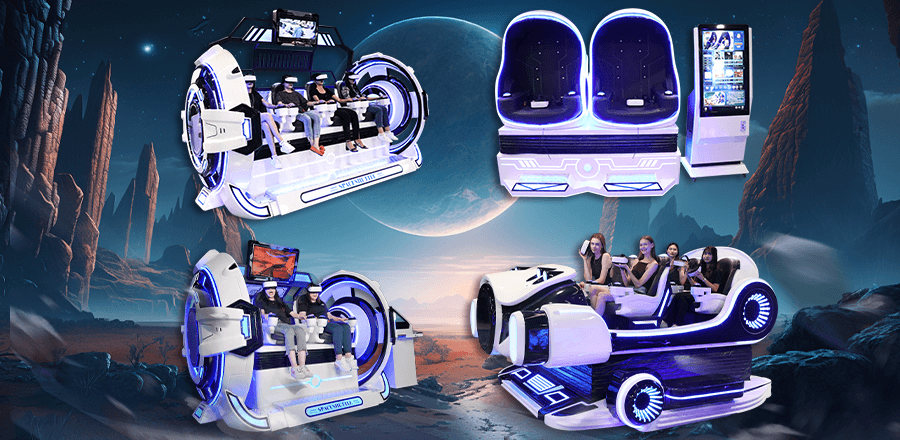
One major advantage of a VR simulator for business is its compact footprint compared to traditional rides. Most systems can be installed without major construction or structural reinforcement.
Typical requirements include:
-
Floor space: 6–15 square meters
-
Ceiling height: 2.6–3.5 meters
-
Power: Standard commercial voltage
-
Installation time: 1–3 days
These low barriers to installation make VR motion simulators ideal for existing venues looking to upgrade without downtime.
Before investing, operators should carefully evaluate site conditions such as floor area, ceiling height, and power supply. Understanding the real VR motion simulator space requirements helps venues avoid unnecessary installation issues and maximize operational efficiency.
Operating Costs & Long-Term Maintenance
Beyond the initial purchase, operating costs play a critical role in long-term profitability.
Key operating expenses include:
-
Electricity consumption (generally low)
-
Routine inspection and cleaning
-
Occasional part replacement
-
Content updates or expansions
Compared to traditional amusement rides, VR motion simulators require fewer mechanical components and less manpower, resulting in lower ongoing costs.
Is a VR Motion Simulator Profitable?
Profitability is one of the strongest reasons commercial venues invest in VR motion simulators. With flexible pricing models and high replay value, these systems can generate consistent daily income.
Key profitability drivers:
-
High customer replay rate
-
Minimal staffing requirements
-
Compact footprint
-
Frequent content refresh options
-
Broad appeal across age groups
A well-positioned system can quickly become one of the top-performing attractions in a venue.
VR Motion Simulator ROI Explained
Most operators report a return on investment within 6–12 months, depending on location, pricing strategy, and foot traffic.
For example:
-
Average ticket price: $6–10 per play
-
Daily sessions: 50–120
-
Monthly revenue potential: $9,000–25,000+
This fast payback period makes VR simulators particularly attractive for commercial environments with high visitor flow.Many operators want to understand how fast a commercial VR attraction can recover its initial investment. In real-world operations, VR motion simulator ROI depends on factors such as daily foot traffic, ticket pricing, content update frequency, and operational efficiency. Venues with stable visitor flow often achieve faster payback periods by optimizing session turnover and offering repeat-play incentives.
VR Motion Simulator Pricing by Application Scenario
Shopping Malls
Malls favor VR motion simulators for their compact size, visual appeal, and strong ability to increase dwell time.
Family Entertainment Centers (FECs)
FECs benefit from multiplayer configurations and repeat gameplay, making VR simulators a reliable revenue generator.
Theme Parks
High-end systems with immersive motion platforms integrate well into themed attractions and premium experiences.
How to Choose the Right VR Motion Simulator?
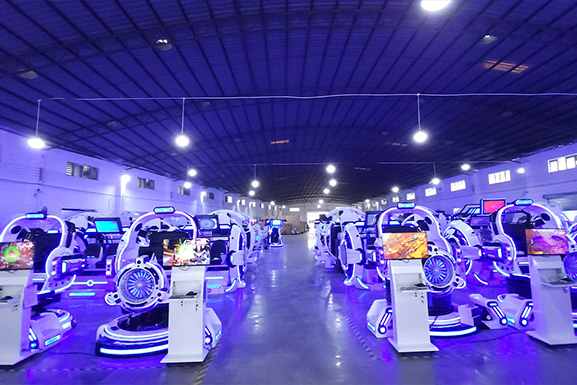
Selecting the right equipment goes beyond price alone. Operators should evaluate:
-
Build quality and reliability
-
Content variety and update frequency
-
After-sales support and warranty
-
Upgrade and expansion potential
Choosing a proven VR motion simulator investment ensures long-term operational stability and scalable revenue growth.
FAQ
Q: How much does a VR motion simulator cost for business use?
A: Most commercial VR motion simulators range from $15,000 to $70,000 depending on configuration and features.
Q: Is a VR motion simulator suitable for shopping malls?
A: Yes. Compact size, fast installation, and high visual impact make it ideal for mall environments.
Q: How long does installation take?
A: Installation typically takes 1–3 days, depending on site conditions.
Q: What is the average ROI period?
A: Most venues achieve ROI within 6–12 months.
Post time: Jan-19-2026