
Introduction
One of the most critical technologies behind an immersive cinema experience is the vibration simulator. While audiences often notice motion seats and visual effects first, vibration technology plays a key role in delivering realistic physical feedback that connects on-screen action with human perception.
To fully understand how vibration simulators fit into the overall system, it is useful to start withwhat a 5D cinema is and how immersive motion cinema systems are designed to engage multiple senses simultaneously.
What Is a Vibration Simulator in a 5D Cinema?
In a 5D cinema, a vibration simulator is a system integrated into motion seats or platforms that generates controlled physical feedback. Rather than simple shaking, modern vibration systems use programmable patterns to simulate acceleration, impact, turbulence, and environmental movement.
These systems work in close coordination with motion platforms, audio cues, and visual content to enhance realism without causing discomfort.
How Vibration Simulation Enhances the Immersive Experience?
Synchronization with Visual and Audio Cues
Vibration simulators are precisely synchronized with the film’s timeline. When an on-screen vehicle accelerates, lands, or collides, vibration feedback reinforces the visual and sound effects, making the action feel more convincing.
This synchronization transforms passive viewing into an immersive experience where audiences physically react to what they see and hear.
Realistic Physical Feedback without Excessive Motion
Compared with large motion movements, vibration allows subtle but effective feedback. Small vibrations can simulate road texture, engine rumble, or environmental instability without requiring extreme seat motion.
This balance improves comfort while maintaining immersion, especially for family-oriented entertainment venues.
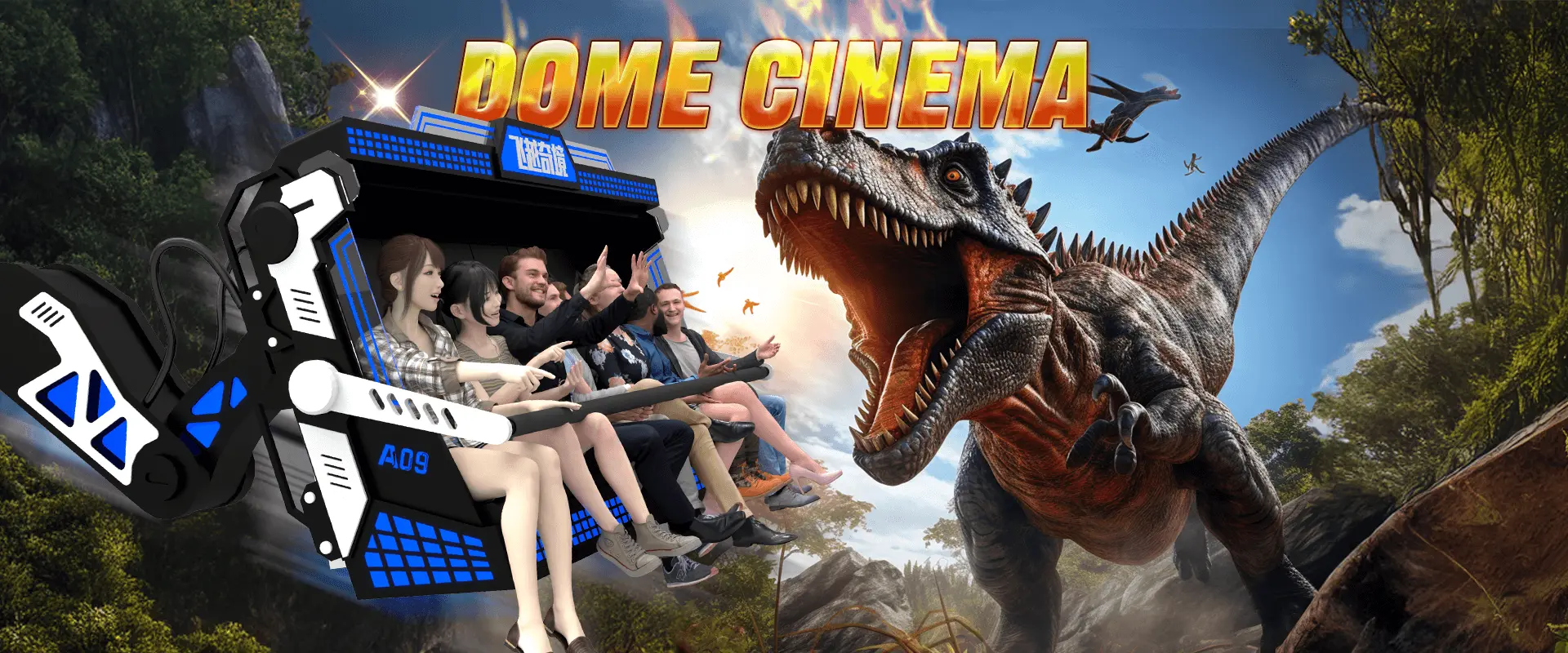
Core Components of a Cinema Vibration Simulator System
A professional vibration simulator system consists of several key components working together:
-
Actuators or vibration motors mounted within the seat or platform
-
Control modules that regulate intensity and frequency
-
Synchronization software linked to film playback
-
Power and safety systems designed for continuous commercial use
These components ensure consistent performance across thousands of operating cycles.
Types of Vibration Technology Used in 5D Cinemas
Electric Vibration Systems
Electric vibration systems are widely used due to their precision and reliability. They allow fine control over vibration patterns and are well suited for indoor commercial environments.
Hybrid Motion and Vibration Systems
Some advanced systems combine motion platforms with integrated vibration units. This approach allows large movements and fine vibrations to work together, producing layered physical feedback that feels more natural.
Safety and Comfort Considerations
Safety is a core design requirement for vibration simulators. Commercial systems include:
-
Adjustable intensity levels
-
Emergency stop functions
-
Smooth transition algorithms to prevent sudden shocks
By carefully tuning vibration strength, operators can accommodate a wide audience, including families and first-time users.
Why Vibration Simulator Quality Affects ROI?
From an operational perspective, vibration technology directly impacts equipment longevity and customer satisfaction. Poor-quality vibration systems may cause discomfort, increase maintenance needs, or reduce repeat visits.
High-quality vibration simulators contribute to:
-
Lower maintenance costs
-
Longer equipment lifespan
-
Improved audience feedback and retention
For a broader business perspective, operators may want to explore whether immersive cinema is a profitable business and how technology choices influence return on investment.
Integration with Motion Seats and Cinema Systems
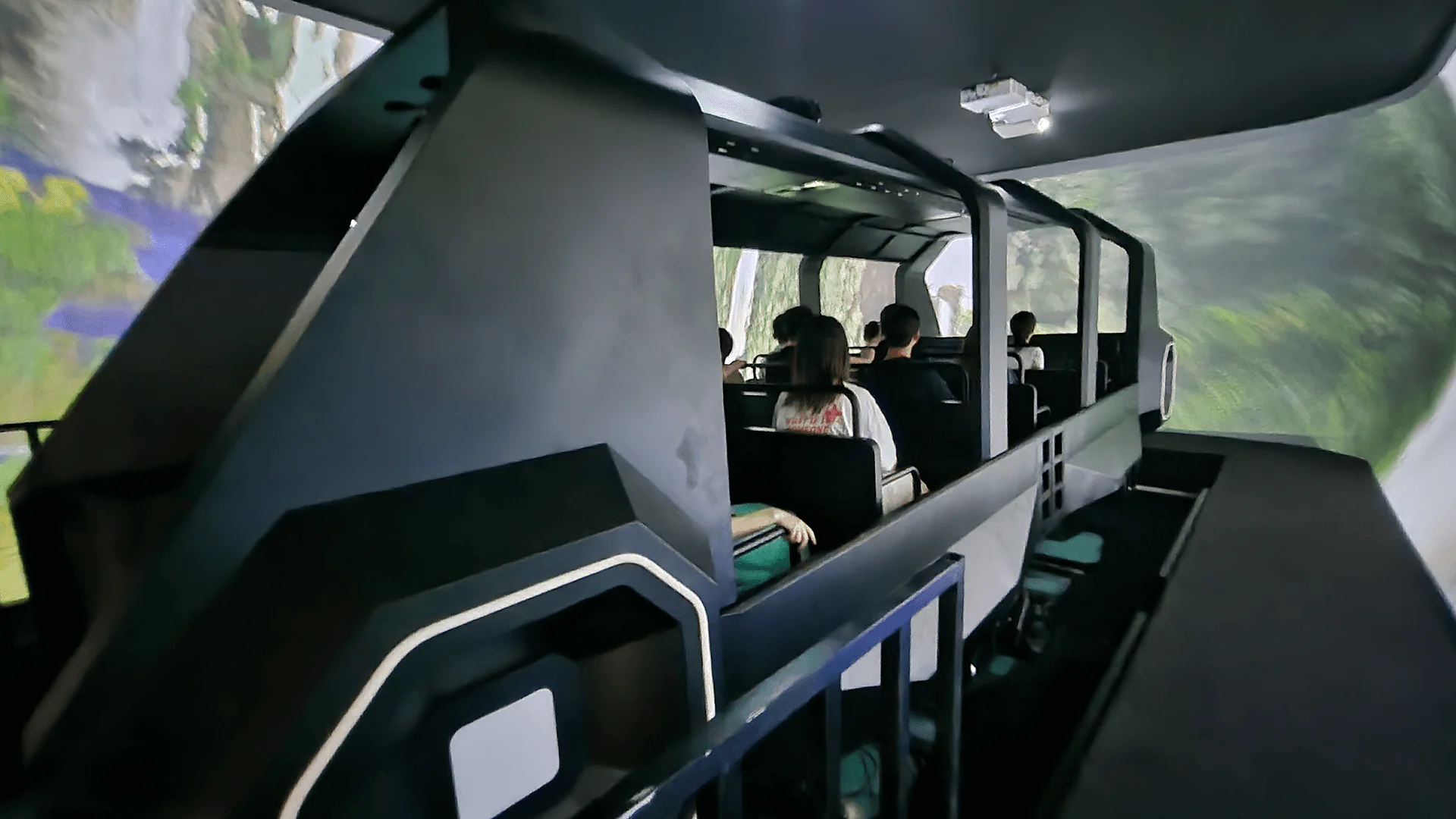
Vibration simulators do not operate independently. They are fully integrated into the cinema system, working alongside motion seats, visual displays, audio systems, and special effects.
This integration ensures that every physical sensation supports the narrative rather than distracting from it.
Application Scenarios in Commercial Venues
Vibration simulator technology is widely used in:
-
Theme park motion cinemas
-
Shopping mall entertainment attractions
-
VR and immersive experience centers
In each scenario, vibration feedback enhances realism while supporting high throughput and operational efficiency.
Conclusion – The Role of Vibration Technology in Modern 5D Cinema
Vibration simulator technology is a fundamental element of modern immersive cinema. By delivering precise, synchronized physical feedback, it strengthens the connection between visual storytelling and audience perception.
When designed and integrated correctly, vibration systems improve comfort, realism, and long-term commercial performance, making them a key consideration for any 5D cinema project.
Frequently Asked Questions
Is vibration simulation suitable for all audiences?
Yes. Most systems allow adjustable intensity levels, making them suitable for a wide range of users when operated according to safety guidelines.
Can vibration systems be upgraded in existing cinemas?
In many cases, vibration components can be upgraded or fine-tuned as part of system maintenance or enhancement projects.
Post time: Jan-09-2026