
When planning a VR motion simulator investment, one of the most practical decisions operators face is whether to choose a single-seat or multi-seat configuration. Both options are widely used in commercial venues, but their performance depends largely on business context rather than technical differences.
This guide compares single-seat vs multi-seat VR motion simulators from an operational and ROI perspective, helping malls, family entertainment centers (FECs), and theme parks choose the right setup for their venue goals.
Understanding Single-Seat VR Motion Simulators
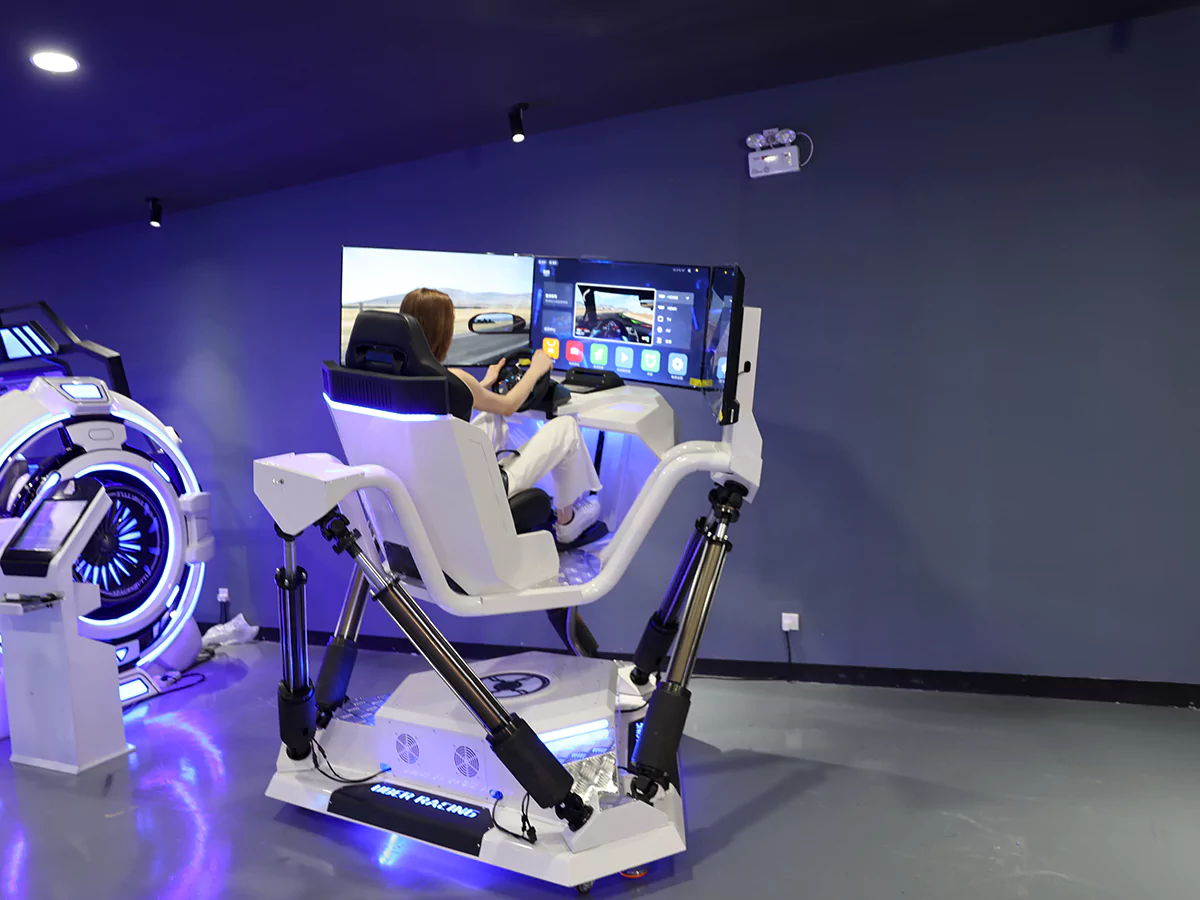
Single-seat VR motion simulators focus on individual immersion and compact installation. They are commonly used in venues where space is limited or where flexible placement is required.
From a business standpoint, single-seat systems are often associated with:
-
Lower initial investment
-
Minimal space requirements
-
Easy relocation and layout changes
-
Simple staffing and operation
These characteristics make single-seat simulators a practical entry point for new operators or space-constrained venues.
Understanding Multi-Seat VR Motion Simulators
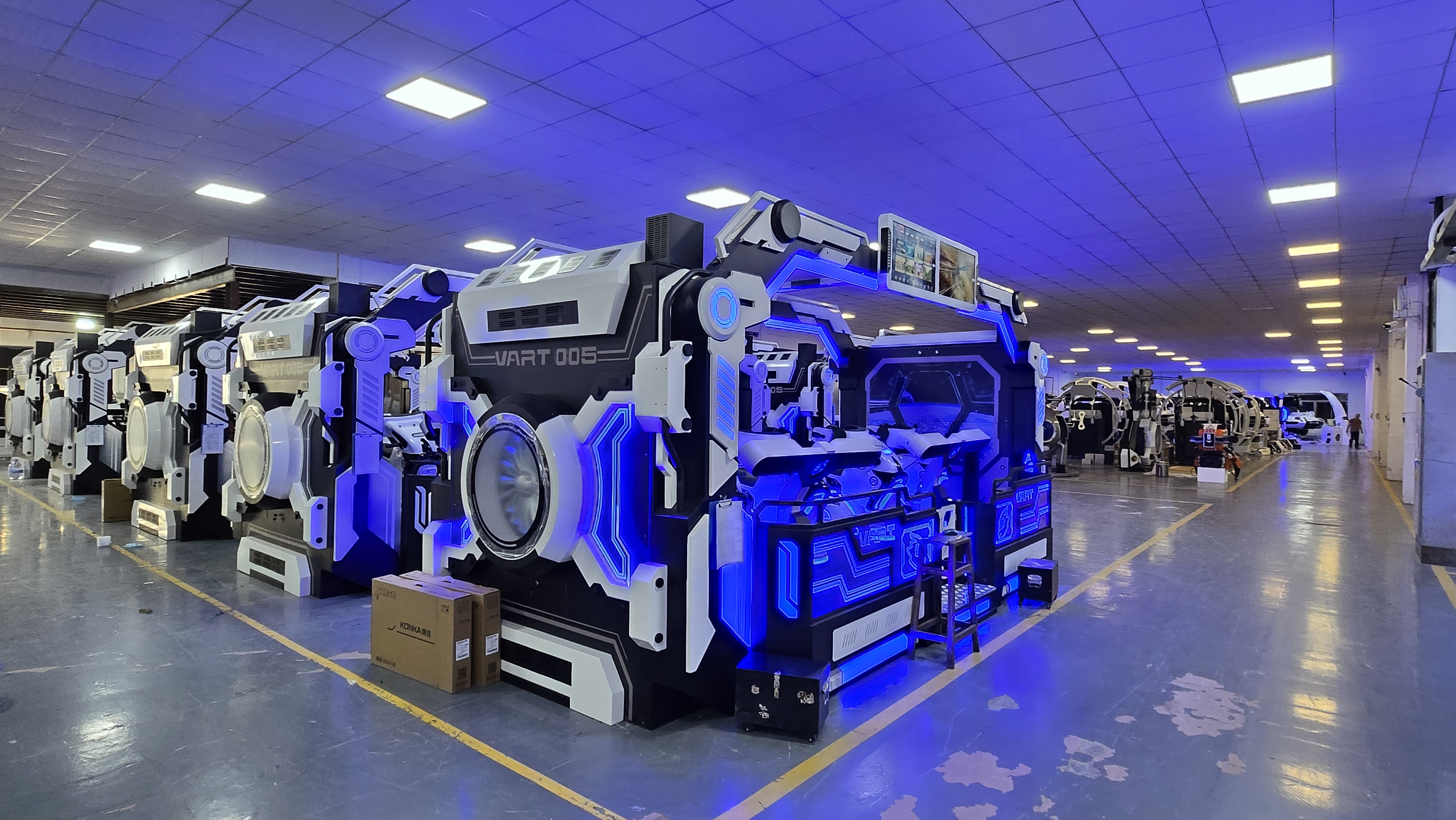
Multi-seat VR motion simulators are designed for group participation and higher throughput. They are frequently chosen for venues with consistent foot traffic and family-oriented audiences.
In commercial settings, multi-seat systems typically offer:
-
Higher capacity per session
-
Social and competitive gameplay
-
Strong visual presence
-
Better performance during peak hours
These advantages help venues maximize revenue during busy periods.
Key Differences That Impact Commercial Performance
Rather than focusing on technical specifications, operators should evaluate how each configuration affects daily operations.
| Business Factor | Single-Seat | Multi-Seat |
|---|---|---|
| Initial investment | Lower | Higher |
| Space requirement | Compact | Larger |
| Throughput | Moderate | High |
| Peak-hour performance | Limited | Strong |
| Flexibility | High | Moderate |
Understanding these differences helps operators align equipment selection with operational priorities.
ROI Considerations: Which Configuration Fits Your Venue?
ROI is influenced by more than seat count alone. Operators should consider:
-
Average daily foot traffic
-
Available floor space
-
Ticket pricing strategy
-
Staffing capacity
-
Peak vs off-peak demand
Single-seat systems often perform well in locations with steady but moderate traffic, while multi-seat configurations are better suited for venues expecting group participation and high visitor volume.
Application Scenarios by Venue Type
Shopping Malls
Malls often favor compact attractions that integrate smoothly into entertainment zones. Single-seat or two-seat configurations are commonly selected to balance space efficiency and engagement.
Family Entertainment Centers (FECs)
FECs benefit from multi-seat setups that encourage group play and repeat visits, especially during weekends and holidays.
Theme Parks
Theme parks may choose larger multi-seat simulators for flagship attractions where throughput and visual impact are key.
How to Choose the Right Configuration for Your Business?
Instead of asking which option is better, operators should focus on which configuration best supports their business model.
The right choice depends on venue size, customer flow, pricing strategy, and long-term operational planning.
FAQ
Q: Are single-seat VR motion simulators suitable for commercial use?
A: Yes. They are widely used in malls and smaller venues due to their compact size and flexibility.
Q: Do multi-seat simulators generate higher revenue?
A: They can, particularly in high-traffic venues, but require more space and higher initial investment.
Q: Can venues start with single-seat and upgrade later?
A: Many operators choose scalable solutions that allow future expansion.
Post time: Feb-04-2026