
For many commercial entertainment venues, traditional arcade rides have been reliable revenue generators for years. However, changing consumer expectations and rising competition are pushing operators to reconsider whether older attractions still deliver the best return on space and investment.
This leads to an increasingly common question:
Is it worth replacing traditional arcade rides with VR motion simulators?
This article examines that decision from a commercial perspective, helping venue owners evaluate when an upgrade makes sense—and when it may not.
Why Operators Consider Replacing Traditional Arcade Rides?
Traditional arcade rides often occupy valuable floor space while offering limited content variation. Over time, this can result in declining replay value and reduced customer interest.
Common reasons operators consider replacement include:
-
Decreasing repeat play
-
Aging equipment and higher upkeep
-
Limited ability to refresh experiences
-
Difficulty attracting younger audiences
Upgrading is often driven by the need to improve space efficiency and long-term appeal.
Space Efficiency: Old Rides vs Modern VR Attractions
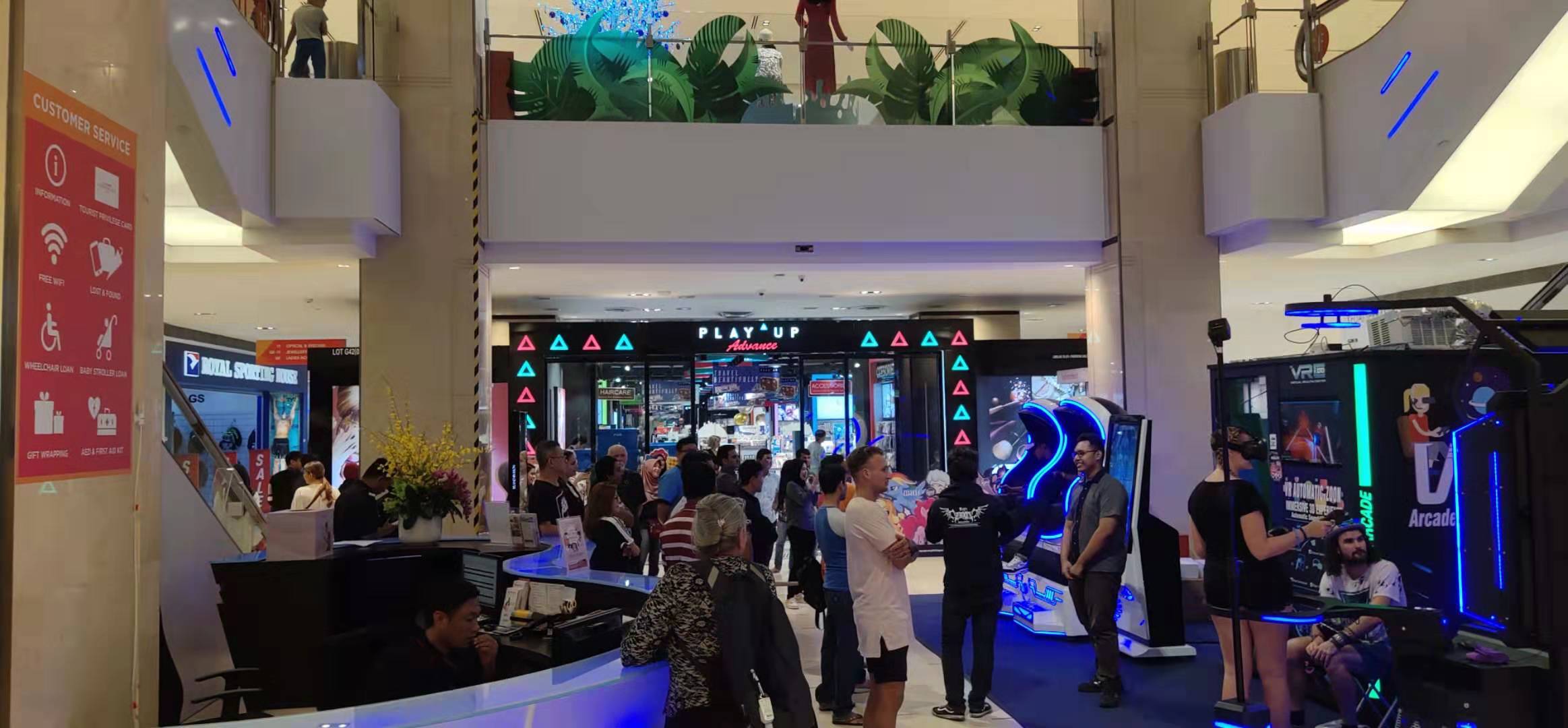
One of the biggest advantages of VR motion simulators is how efficiently they use space. Compared with many traditional rides, modern VR systems can deliver immersive experiences within a much smaller footprint.When evaluating upgrades, understanding VR motion simulator space requirements helps operators compare revenue potential per square meter.
Content Refresh & Replay Value
Traditional arcade rides typically rely on fixed gameplay or mechanical motion, which limits long-term replay appeal. VR motion simulators, by contrast, allow content updates without hardware replacement.
This flexibility enables operators to:
-
Refresh experiences seasonally
-
Appeal to different age groups
-
Extend attraction lifespan
Higher replay value often translates into better long-term performance.
Revenue Potential & ROI Comparison
Replacing an attraction is ultimately a financial decision. Operators must compare not just initial investment, but also daily revenue consistency and payback period.A clearer understanding of VR motion simulator ROI helps determine whether replacing older rides can improve long-term profitability.
Operational & Maintenance Considerations
Older mechanical rides often require increasing maintenance as they age. VR motion simulators are designed for commercial environments with simpler daily operation and predictable upkeep.Reviewing VR motion simulator maintenance and operating costs makes it easier to assess long-term operational efficiency after an upgrade.
Which Venues Benefit Most from Upgrading?
Replacing traditional arcade rides with VR motion simulators is often most effective for:
-
Shopping malls seeking higher dwell time
-
FECs focused on repeat visits
-
Venues with limited floor space
-
Locations targeting younger demographics
In these scenarios, VR attractions often outperform older rides in engagement and revenue density.
When Keeping Traditional Rides Still Makes Sense?
Upgrading is not always the best option. Traditional arcade rides may still be suitable when:
-
They consistently generate stable revenue
-
The target audience prefers simple, familiar experiences
-
Budget constraints limit investment flexibility
A balanced attraction mix can sometimes deliver better overall results than full replacement.
Final Thoughts: Is the Upgrade Worth It?
Replacing traditional arcade rides with VR motion simulators can be a smart upgrade when the goal is to improve space efficiency, refresh content, and attract modern audiences.
The decision should be based on venue goals, audience expectations, and long-term operating strategy—not on novelty alone.
FAQ
Q: Do VR motion simulators replace all types of arcade rides?
A: No. They are best used to complement or upgrade underperforming attractions.
Q: Is upgrading expensive?
A: Costs vary, but many venues achieve payback by improving revenue per square meter.
Q: Can VR motion simulators be added gradually?
A: Yes. Many operators start with one unit before expanding.
Post time: Feb-23-2026