
For operators running small venues, every investment decision matters. Limited space, controlled budgets, and unpredictable foot traffic often make owners cautious about adding new attractions. As VR motion simulators become more popular in commercial entertainment, many small venue operators ask the same question:
Is a VR motion simulator really worth it for a small venue?
This article explores that question from a practical, business-oriented perspective—helping small venue owners understand when a VR motion simulator makes sense and when it may not.
What Is Considered a “Small Venue”?
In commercial entertainment, a small venue does not necessarily mean low potential. Typical small venues include:
-
Shopping mall corners or kiosks
-
Compact family entertainment centers
-
Indoor leisure zones under 100–150 square meters
-
Tourist attraction add-on areas
These venues often share common constraints: limited floor space, lean staffing, and a strong need for fast payback.
Space & Installation Reality for Small Venues
One of the biggest concerns for small venues is whether a VR motion simulator can physically fit into the available space.
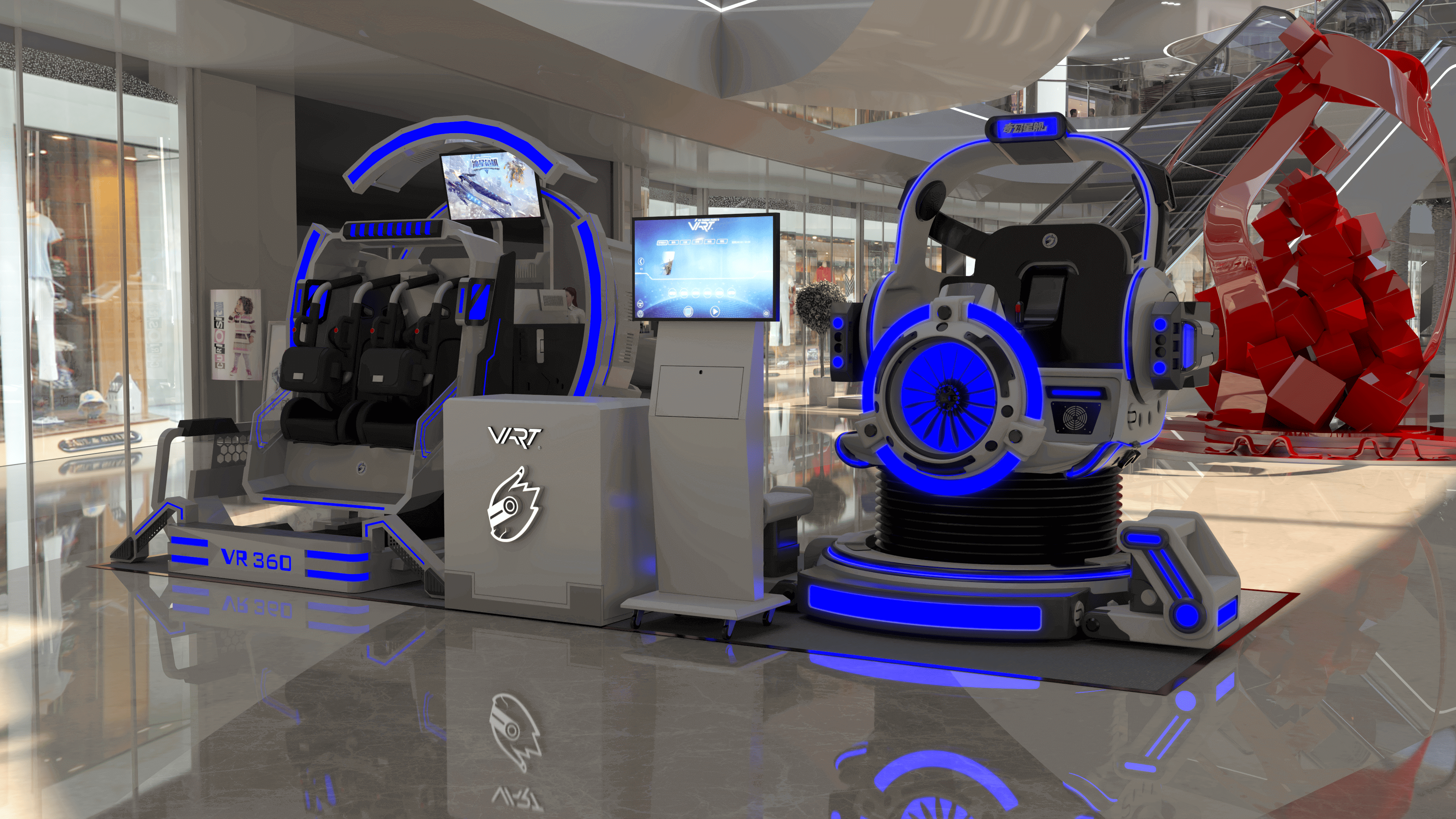
Modern commercial VR motion simulators are designed with compact footprints, making them suitable for tight layouts when properly planned.
Understanding realistic space and installation needs helps operators avoid overestimating requirements and missing viable opportunities.
For small venues, understanding the real VR motion simulator space requirements helps avoid overestimating installation limitations
Investment vs Return: Is the ROI Reasonable for Small Venues?
For small venues, profitability is not about scale—it is about efficiency. A single attraction must justify its footprint by generating stable daily revenue.
In many cases, compact VR motion simulators can achieve ROI comparable to larger installations by focusing on:
-
High replay rates
-
Short session times
-
Impulse-driven participation
-
Low staffing needs
When placed in visible, high-traffic areas, even small installations can deliver consistent returns.
A clear view of VR motion simulator ROI makes it easier to evaluate whether a compact setup can deliver sustainable returns.

Best Configuration Choices for Limited Space
Choosing the right configuration is critical for small venues. Rather than maximizing capacity, small operators often benefit from systems optimized for flexibility and space efficiency.
Single-seat and compact multi-seat setups are commonly selected for:
-
Mall kiosks
-
Entry-level FECs
-
Indoor leisure zones
The right configuration allows small venues to control costs while maintaining immersive experiences.
In space-limited locations, single-seat VR motion simulators are often considered a practical starting option.
Common Mistakes Small Venues Should Avoid
While VR motion simulators can perform well in small spaces, mistakes often occur when expectations are misaligned.
Common pitfalls include:
-
Overestimating daily foot traffic
-
Choosing oversized configurations
-
Ignoring operating cost planning
-
Treating VR as a one-time novelty instead of a repeat attraction
Avoiding these mistakes is just as important as selecting the right equipment.
When a VR Motion Simulator Makes Sense for Small Venues?
A VR motion simulator is usually worth the investment for small venues when:
-
Space is used efficiently
-
The attraction is visually prominent
-
Content encourages repeat play
-
Pricing matches local spending habits
In these scenarios, VR simulators often outperform traditional arcade machines in revenue per square meter.
When It May Not Be the Right Choice?
Not every small venue is a perfect fit. A VR motion simulator may not be ideal if:
-
Foot traffic is extremely low
-
The venue lacks staff for basic operation
-
The business model depends solely on long sessions rather than turnover
Understanding these limits helps operators make realistic decisions.
Final Thoughts: Is It Worth It?
For many small venues, a VR motion simulator is not just worth it—it can be a strategic upgrade that maximizes limited space and delivers strong commercial performance.
The key is not venue size alone, but how well the attraction is planned, positioned, and operated.
FAQ
Q: Can a VR motion simulator really fit in a small venue?
A: Yes. Many commercial systems are designed for compact spaces and flexible layouts.
Q: Is ROI slower for small venues?
A: Not necessarily. With proper placement and pricing, small venues can achieve competitive ROI.
Q: Should small venues start with one unit?
A: Yes. Starting with a single compact unit allows operators to test demand and scale later.
Post time: Feb-13-2026