
For family entertainment centers (FECs) and theme parks, every new attraction must meet two key requirements: strong visitor appeal and reliable profitability. In recent years, VR motion simulators have emerged as one of the most commercially successful immersive attractions, offering fast payback and long-term revenue stability.
This article explains how profitable a VR motion simulator can be, what factors influence earnings, and why many venues recover their investment faster than expected.
Why VR Motion Simulators Perform Well in Commercial Venues?
Unlike traditional arcade machines or static VR stations, VR motion simulators deliver a full-body immersive experience. Motion feedback, synchronized visuals, and interactive content significantly increase perceived value, allowing venues to charge higher ticket prices.
For FECs and theme parks, this results in:
-
Higher per-play revenue
-
Strong replay demand
-
Broad age appeal
-
Minimal staffing requirements
These advantages form the foundation of strong long-term profitability.
Average Revenue Potential for FECs & Theme Parks
Revenue varies depending on foot traffic, pricing strategy, and operating hours. However, many venues report consistent performance once the attraction becomes established.
Typical revenue model:
-
Ticket price: $6–10 per session
-
Daily sessions: 50–150 plays
-
Monthly revenue potential: $9,000–30,000+
High-traffic locations often exceed these figures during weekends, holidays, and peak seasons.
Key Factors That Influence VR Motion Simulator ROI
While the hardware itself is important, VR motion simulator ROI depends on several operational factors:
-
Location placement: High-visibility areas attract more impulse plays
-
Content variety: Regular updates maintain repeat interest
-
Session efficiency: Faster turnover increases daily play count
-
Pricing strategy: Bundles and promotions boost volume
-
Maintenance stability: Reliable systems minimize downtime
Venues that actively manage these factors consistently achieve faster payback periods.
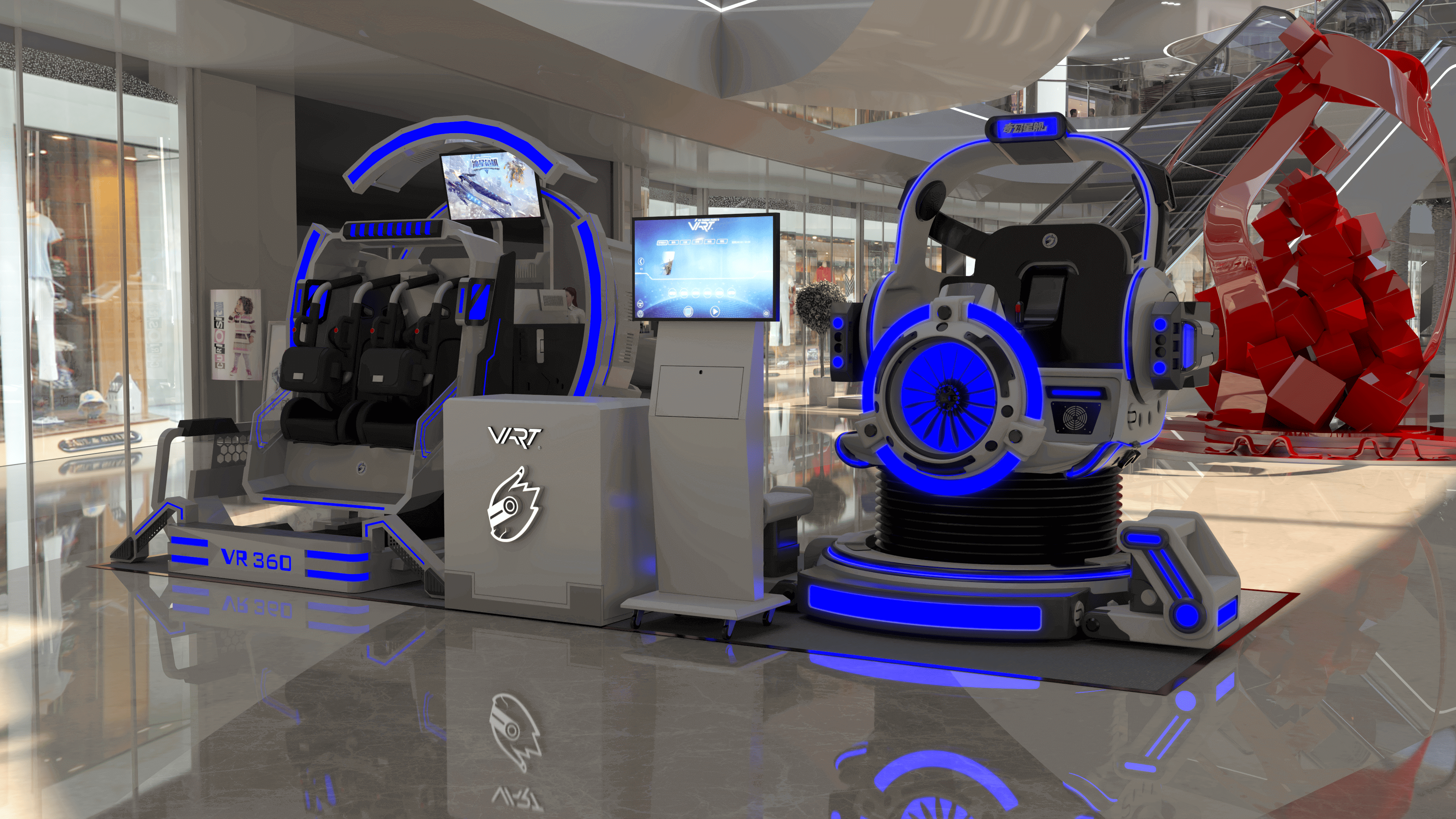
Typical Payback Period: What Operators Can Expect
Most FECs and theme parks recover their investment within 6–12 months, depending on the initial system configuration and daily traffic volume. In premium locations, ROI can be achieved even sooner.
Compared to large-scale mechanical rides, VR motion simulators require:
-
Lower upfront investment
-
Smaller installation footprint
-
Reduced long-term maintenance costs
This combination makes them particularly attractive for operators seeking scalable growth.
VR Motion Simulator vs Traditional Attractions (ROI Comparison)
| Attraction Type | Initial Cost | Payback Speed | Flexibility |
|---|---|---|---|
| Arcade Machines | Low | Slow | Limited |
| Mechanical Rides | Very High | Long | Fixed |
| VR Motion Simulator | Medium | Fast | High |
The ability to refresh content without replacing hardware gives VR motion simulators a significant advantage over traditional attractions.
Is a VR Motion Simulator a Smart Investment for Your Venue?
For FECs and theme parks looking to:
-
Increase per-square-meter revenue
-
Reduce labor dependency
-
Introduce immersive attractions without large construction costs
A VR motion simulator represents a well-balanced investment with predictable returns and long-term scalability.
FAQ
Q: Is a VR motion simulator profitable for small FECs?
A: Yes. Compact systems with one or two seats are well-suited for small venues and can still achieve fast ROI with proper placement.
Q: How long does it take to recover the investment?
A: Most operators report ROI within 6–12 months.
Q: Does content need to be updated frequently?
A: Regular content updates help maintain repeat customers and maximize long-term profitability.
Post time: Jan-21-2026