
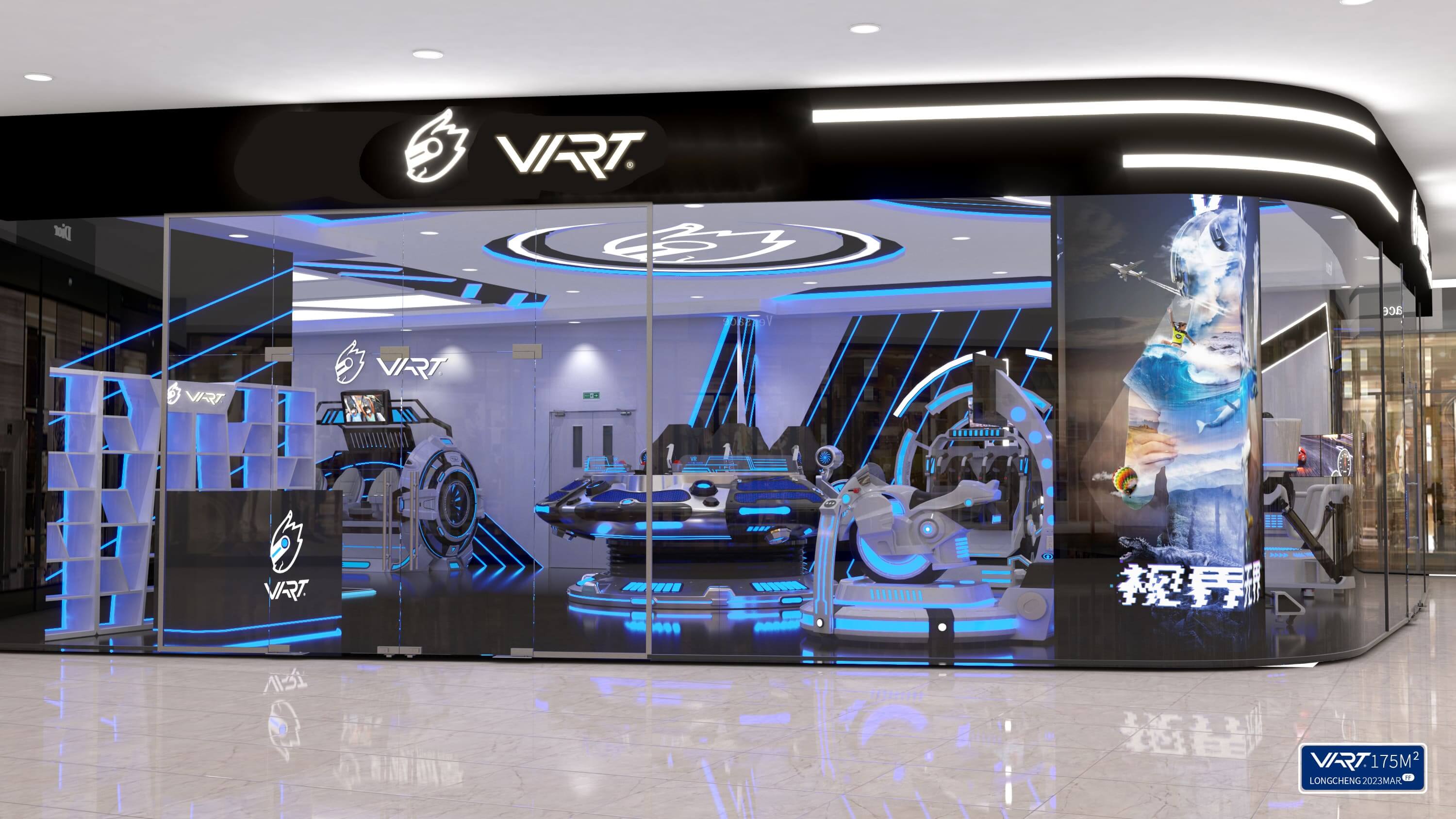
When planning a new attraction, space is often the first practical question operators ask. Compared with traditional amusement rides, VR motion simulators are known for their compact footprint and flexible installation, making them ideal for shopping malls, family entertainment centers (FECs), and indoor venues.
This article explains the real space requirements for a VR motion simulator, including floor area, ceiling height, power needs, and layout considerations for commercial use.
Minimum Space Requirements for a VR Motion Simulator
Most commercial VR motion simulators are designed to fit into existing indoor environments without structural modification.
Typical minimum requirements include:
-
Floor space: 6–10 square meters
-
Ceiling height: 2.6–3.0 meters
-
Clearance area: At least 0.5–1 meter around the unit for safety
Single-seat and two-seat models are especially popular for venues with limited floor space.
Space Requirements by Simulator Type
Different configurations require different layouts. Below is a general comparison:
| Simulator Type | Recommended Space | Typical Application |
|---|---|---|
| Single-Seat | 6–8 m² | Small arcades, kiosks |
| Two-Seat | 8–12 m² | Shopping malls, FECs |
| Multi-Seat | 12–20 m² | Theme parks, large venues |
Understanding these differences helps operators select a system that fits both their space and business model.
Ceiling Height & Structural Considerations
Ceiling height is just as important as floor space. Most electric motion platforms operate within a controlled motion range, allowing installation in standard commercial buildings.
Recommended ceiling height:
-
Standard operation: ≥ 2.6 m
-
Enhanced motion range: ≥ 3.0 m
Because VR motion simulators do not require large mechanical arms or rails, they are easier to integrate into malls and indoor entertainment zones.
Power & Installation Requirements
From an installation perspective, VR motion simulators are relatively simple compared to traditional rides.
Typical requirements include:
-
Standard commercial power supply
-
No special foundations required
-
Installation time: 1–3 days
This allows venues to upgrade attractions quickly without long closures or renovation costs.
Layout Tips for Maximizing Revenue per Square Meter
Efficient layout plays a major role in profitability. Operators are encouraged to:
-
Place simulators in high-visibility areas
-
Allow clear queue space
-
Ensure easy access and exit flow
-
Combine simulators with digital signage for promotion
Compact footprint + strong visual impact is one of the key advantages of VR motion simulators.
Is a VR Motion Simulator Suitable for Small Venues?
Yes. One of the reasons many operators choose VR motion simulators is their scalability. Small venues can start with a compact model and expand later as demand grows.
This flexibility makes VR motion simulators ideal for:
-
Pop-up entertainment zones
-
Shopping mall atriums
-
Indoor FECs
-
Tourist attractions with limited space
FAQ
Q: What is the minimum space needed for a VR motion simulator?
A: Most single-seat or two-seat systems require 6–10 square meters.
Q: Do VR motion simulators need high ceilings?
A: No. Most systems operate well within standard commercial ceiling heights.
Q: Can a VR motion simulator be installed in an existing mall?
A: Yes. Compact size and minimal installation requirements make them suitable for existing spaces.
Post time: Jan-23-2026