
The VR entertainment industry is evolving rapidly, and more investors are entering the market than ever before. From VR arcades to large-scale theme parks, immersive experiences are becoming a powerful way to attract customers and generate revenue.
But before starting, one key question always comes up:
How much does a VR simulator really cost — and is it worth the investment?
This guide will help you understand not only the cost structure, but also the business logic behind a successful VR simulator investment.
Why “Price” Is Not the Real Question?
Many buyers focus only on the initial price, but in reality, a VR simulator is not just a product — it is a revenue-generating system.
Instead of asking “How cheap is it?”, the better question is: How much value can it generate over time?
What Actually Determines VR Simulator Cost?
1. Experience Type & Business Model
Different VR experiences require different levels of investment:
- Single-seat simulators for quick experiences
- Multiplayer systems for group interaction
- Large-scale immersive environments
More engaging experiences usually lead to higher user retention and better revenue.
2. Motion Technology & Immersion Level
The motion system plays a critical role in user experience.
- Basic motion → lower cost, suitable for entry-level setups
- Advanced dynamic systems → higher immersion and stronger attraction
In commercial environments, immersion directly affects how much customers are willing to pay.
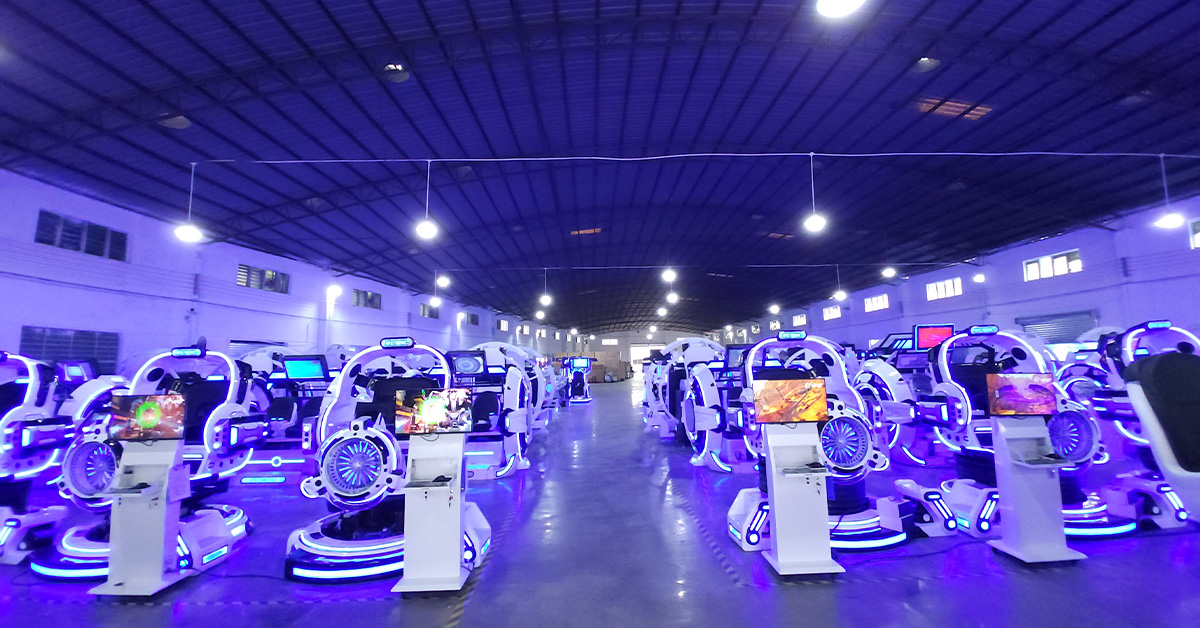
3. Hardware Reliability & Commercial Durability
Unlike home VR devices, commercial simulators must operate continuously.
Important factors include:
- structural strength
- system stability
- long-term performance
Higher-quality hardware reduces downtime and protects your investment.
4. Content & Game Ecosystem
Content is what keeps your business alive.
A strong content library helps:
- attract new customers
- increase repeat visits
- extend product lifespan
Without engaging content, even the best hardware will struggle to generate revenue.
Different Investment Levels Explained
Rather than focusing on exact pricing, VR simulators can be categorized into investment tiers:
| Investment Level | Suitable Scenario | Business Goal |
|---|---|---|
| Entry Level | Small shops / startups | Test the market |
| Mid-Level | VR arcades / malls | Stable revenue |
| High-End | Theme parks / large venues | Maximum profitability |
Choosing the right level depends on your business strategy and available space.
If you are planning a full project, check our VR theme park solutions for complete business setups.
How VR Simulators Generate Profit?
VR simulators are widely used because they offer strong revenue potential.
Typical revenue comes from:
- ticket-based experiences
- high customer turnover
- repeat visits
With proper location and pricing strategy, many operators achieve steady income growth.
To understand real profit potential and revenue models, read our detailed guide on VR arcade profitability and ROI
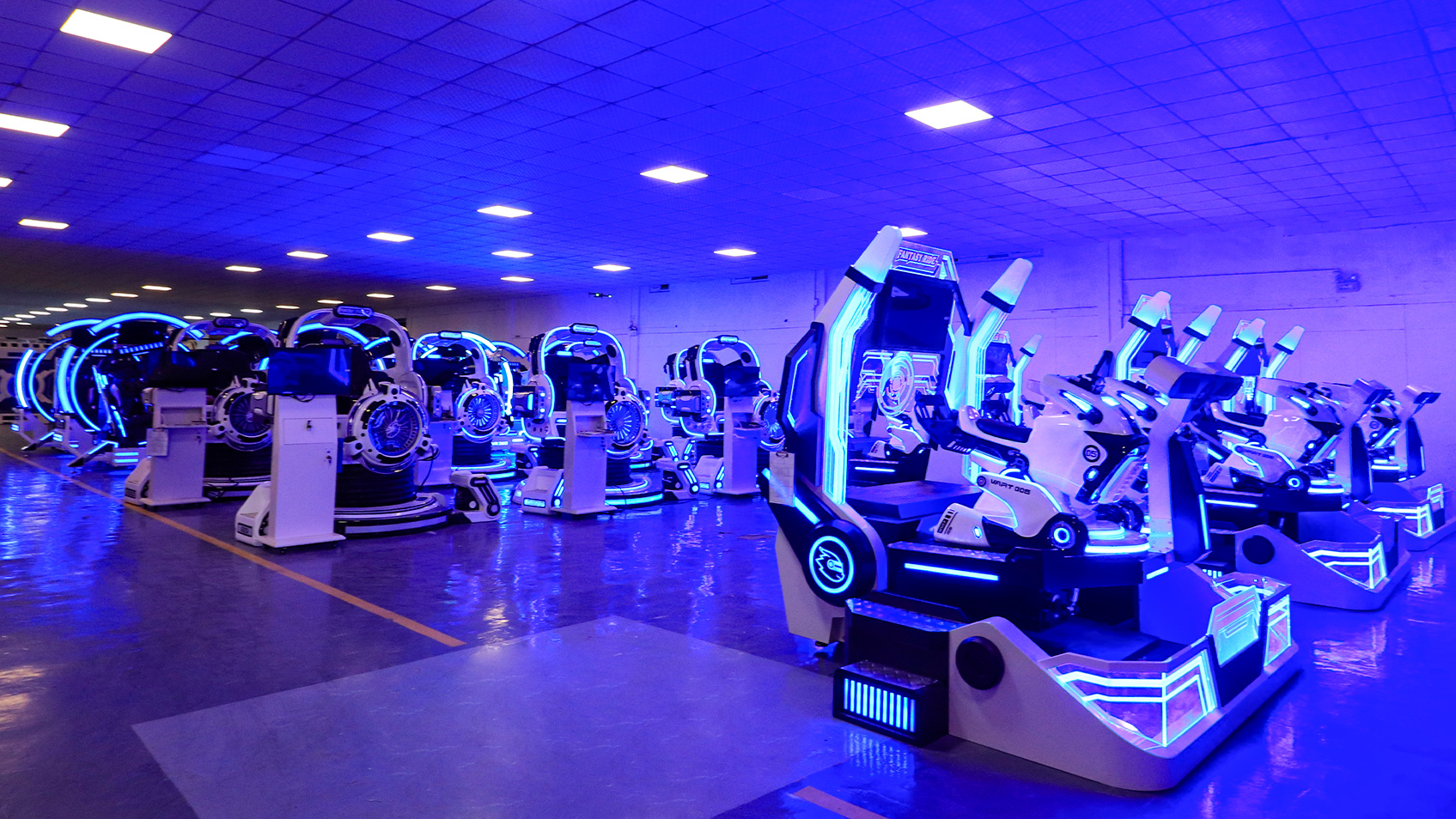
Key Factors That Impact Your ROI
Before investing, consider:
- foot traffic of your location
- target customer group
- pricing strategy
- equipment utilization rate
These factors often matter more than the machine itself.
Common Mistakes Investors Should Avoid
Choosing the Cheapest Option
Low-cost machines often lead to poor user experience and lower long-term returns.
Ignoring Content Updates
Outdated or limited content reduces customer engagement quickly.
Overlooking Supplier Support
Without technical support, even small issues can disrupt your business operations.
How to Choose the Right VR Simulator?
The best choice is not the cheapest — it is the one that fits your business model.
You should look for:
- reliable hardware
- engaging content
- long-term support
- scalable solutions
You can also explore our range of commercial VR simulators designed for arcades and entertainment venues.
Working with an experienced supplier ensures your project runs smoothly.
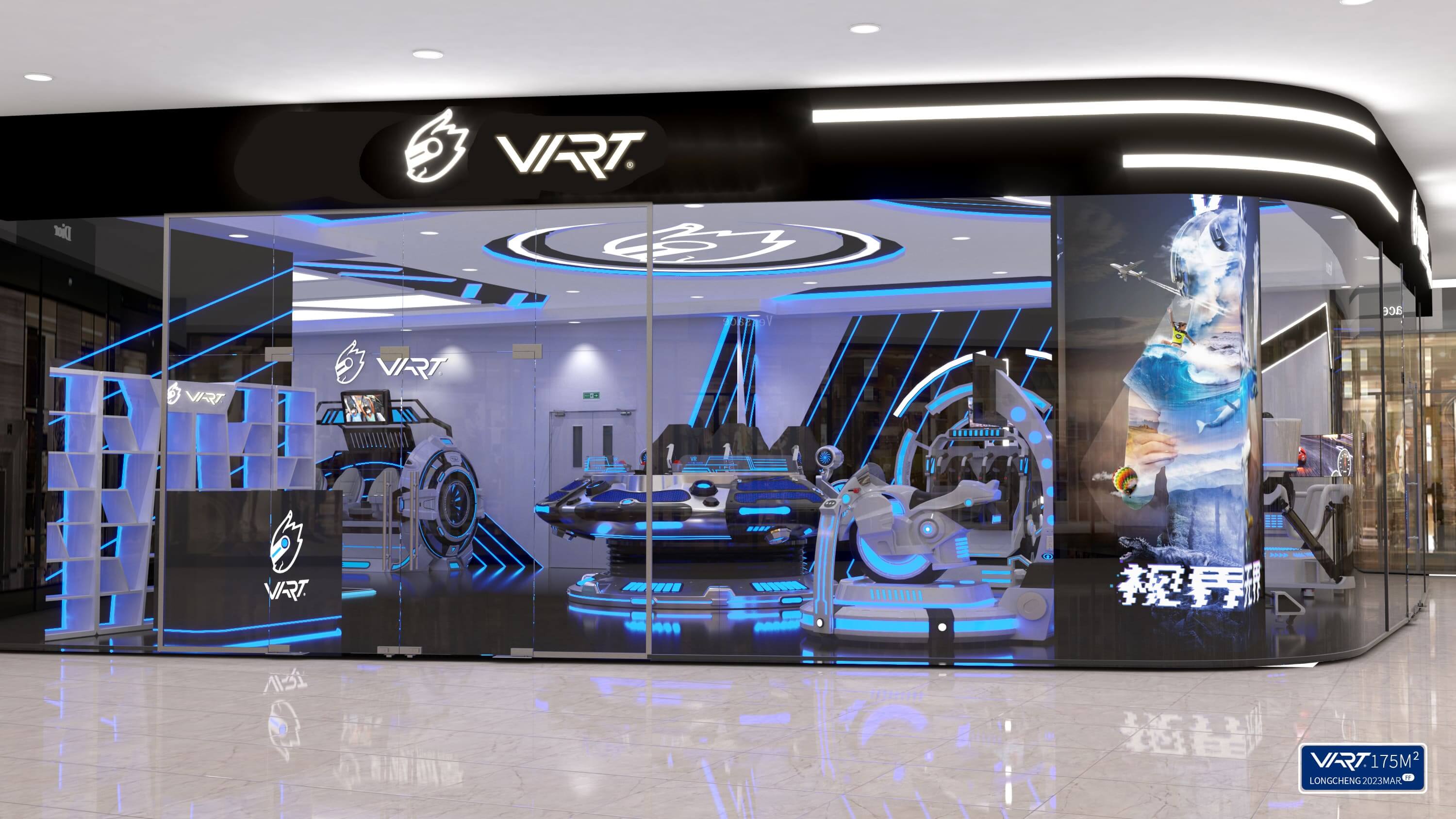
Build a Profitable VR Business in 2026
The VR industry is no longer experimental — it is a proven business model.
With the right equipment and strategy, a VR simulator can become a stable and scalable revenue source.
Get a Customized VR Solution
Every business is different. The best way to estimate your investment is to create a customized plan based on your goals.
Post time: Mar-17-2026