
Safety is one of the first concerns raised by commercial venue operators when considering new attractions. For shopping malls, family entertainment centers (FECs), and indoor leisure venues, equipment safety directly affects daily operation, customer trust, and long-term profitability.
So the question is straightforward:
Are VR motion simulators safe for commercial use?
This article explains commercial VR motion simulator safety from an operational perspective, helping operators understand what makes these systems suitable for public environments.
Why Safety Matters in Commercial VR Attractions?
Unlike home-use VR products, commercial VR motion simulators operate continuously and serve a wide range of users. Safety is not just about protecting players—it is also about protecting operators, venues, and brand reputation.
For commercial venues, safe attractions mean:
-
Fewer operational interruptions
-
Lower liability risks
-
Higher customer confidence
-
Easier long-term management
Well-designed systems prioritize safety as part of daily operation rather than as an afterthought.
Built-In Safety Design of Commercial VR Motion Simulators
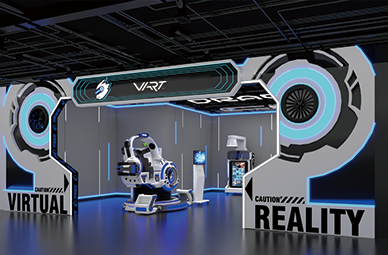
Commercial VR motion simulators are designed with multiple safety considerations from the start. Common safety-oriented design elements include:
-
Stable motion platforms
-
Controlled movement ranges
-
Secure seating and restraints
-
Emergency stop mechanisms
-
Protective structural frames
These features ensure motion remains immersive while staying within safe operational limits.
Operator Control & Supervision
Safety in commercial use also depends on how attractions are operated. VR motion simulators typically allow operators to:
-
Start and stop sessions easily
-
Monitor user behavior
-
Respond quickly to discomfort or misus
Clear operator procedures and understanding VR motion simulator daily operation requirements help reduce avoidable risks during peak hours.
User Suitability & Experience Management
Commercial VR motion simulators are generally designed for a broad audience, but proper user guidance is essential. Clear instructions help ensure:
-
Appropriate posture
-
Correct headset fitting
-
Comfortable motion experience
Operators typically set basic participation guidelines, such as age limits or health considerations, to maintain a safe experience for all users.
Maintenance & Safety Reliability
Regular maintenance plays a critical role in long-term safety. Consistent inspections and basic upkeep help prevent wear-related issues and ensure stable performance.Regular checks and understanding VR motion simulator maintenance and operating costs contribute to safer and more reliable daily operation.
Safety Compared with Traditional Attractions
When compared to traditional mechanical rides, VR motion simulators often operate with:
-
Lower motion intensity
-
Smaller mechanical ranges
-
More controlled environments
This makes them well-suited for indoor and family-oriented venues where safety and accessibility are key priorities.
Common Safety Misconceptions
Some operators worry that motion-based VR attractions are inherently risky. In reality, most safety concerns arise from:
-
Improper operation
-
Lack of routine checks
-
Overestimating motion intensity
When used as intended, commercial VR motion simulators are designed to operate safely across long daily schedules.
When Extra Safety Planning Is Needed?
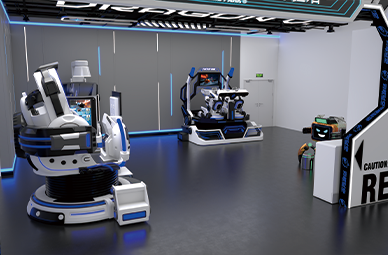
Certain environments may require additional safety consideration, such as:
-
Very young audiences
-
High-traffic mall locations
-
Long operating hours
In these cases, choosing appropriate configurations and setting clear operating guidelines helps maintain consistent safety standards.
Final Thoughts: Are VR Motion Simulators Safe?
Yes—VR motion simulators are safe for commercial use when properly selected, installed, and operated. Their safety depends less on novelty and more on thoughtful design, routine operation, and responsible management.
For most commercial venues, safety becomes a built-in advantage rather than a limitation.
FAQ
Q: Are VR motion simulators safe for children?
A: Most systems are designed for teens and adults, with clear participation guidelines to ensure comfort and safety.
Q: Do VR motion simulators require special safety certification?
A: Requirements vary by region, but commercial systems are typically built to meet indoor entertainment standards.
Q: Can VR motion simulators operate all day safely?
A: Yes. With proper maintenance and operator supervision, continuous daily operation is common.
Post time: Feb-20-2026