0%

Virtual reality (VR) racing is honestly an adrenaline rush. It really puts you right in the middle of the action, making you feel like you're actually speeding down a track. I mean, there's just something about the combo of that intense velocity and those immersive visuals that makes VR racing so special. But here’s the thing—if you want to get the most out of it, you gotta understand the right tools and techniques to level up your game.

Choosing the right gear really makes a difference. A solid VR headset, like Oculus or HTC Vive, can totally change how realistic your experience feels. And if you’re using a good racing wheel, the tactile feedback it provides can make turns and drifts feel way more authentic. Still, even with the coolest setup, you won’t get very far without practicing and having a game plan.

It's also super helpful to review how you’re doing. Are you constantly clipping the walls in turns? Taking a moment to analyze your style can highlight those little mistakes that—once fixed—could make a huge difference. Sometimes, it’s just a small tweak that unlocks your potential. So, by paying attention to your equipment, technique, and those little adjustments, you’ll be surprised at how much you can improve. All in all, it’s this mix of tech and strategy that makes VR racing such a wild, unforgettable experience on those virtual tracks.

Top VR Racing Tips to Enhance Your Virtual Racing Experience?

Essential VR Racing Gear and Setup for Optimal Experience

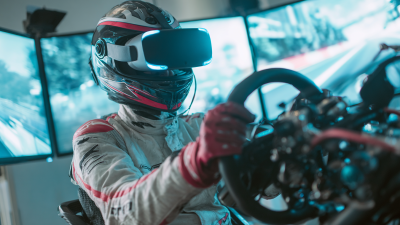
When diving into the world of VR racing, proper gear and setup are crucial for an immersive experience. According to a recent report, VR users report a 70% increase in engagement when utilizing top-tier equipment. A good VR headset is essential. Look for features like a high refresh rate and low latency. These specifications help mitigate motion sickness, a common issue for newcomers in virtual racing environments.

Equally important is the racing wheel and pedals. A study revealed that 85% of serious sim racers prefer force feedback wheels. This enhances the realism of vehicle handling, allowing for better control. Positioning also matters. Ensure your gaming area is spacious, allowing for unobstructed movements. Many users overlook the importance of comfort. A supportive gaming chair can improve endurance during long sessions.

Lighting and sound can impact the overall experience too. Adequate lighting helps with headset tracking. Meanwhile, immersive sound systems enhance the authenticity of the racing environment. However, achieving the perfect setup often requires trial and error. Each player's comfort levels and preferences vary, so don’t hesitate to tweak your setup until it feels right. Prioritizing personal comfort will ultimately lead to a more enjoyable experience.

Top VR Racing Tips to Enhance Your Virtual Racing Experience

Tip Description Essential Gear Setup Recommendations
Adjust Your Seat Position Ensure your seat height and distance from the screen are comfortable for better immersion. Racing Wheel, Adjustable Seat Position within 1-2 feet of the display for optimal view.
Use VR-Compatible Gloves Enhances grip and control over the steering wheel. VR-Compatible Gloves Ensure gloves are fitted to avoid slippage.
Calibrate Your VR System Adjust settings for the best performance and graphics quality. High-End VR Headset Regularly update drivers and software for optimal performance.
Invest in a Good Racing Wheel A quality racing wheel provides better feedback and control. Force Feedback Racing Wheel Opt for adjustable tension settings to customize your experience.
Practice Regularly Consistency improves skills and familiarizes with the game. VR Racing Simulations Set weekly goals for practice sessions to track improvement.

Understanding VR Racing Mechanics and Game Dynamics

Virtual reality (VR) racing offers an immersive experience like no other. Understanding the mechanics of VR racing is crucial for enhancing your gameplay. The first step is to familiarize yourself with the controls. Each game has its unique setup, which can feel overwhelming. Spend time adjusting the settings to fit your preferences. For example, wheel sensitivity can dramatically affect your racing experience.

Next, consider your environment. Ensure your physical space is clear and safe. A cluttered area can lead to distractions or accidents, affecting performance significantly. It's common to feel disoriented at first. Your brain is processing new information, and that can make it hard to focus. Don't rush. Take breaks to avoid fatigue and keep your reflexes sharp.

Finally, practice tuning your reactions. VR racing mechanics require quick decision-making and immense concentration. You might struggle initially, but that's part of the learning curve. Consider recording your sessions for later review. Analyzing your performance can reveal patterns in your driving style. Embrace mistakes; they are essential for growth in the virtual racetrack.

Adjusting VR Settings for Maximum Comfort and Performance

When diving into virtual reality racing, adjusting your settings can significantly enhance both comfort and performance. Start by calibrating your headset. Proper positioning ensures clarity and minimizes motion sickness. Check your field of view (FOV). A wider FOV creates a more immersive experience, making it easier to gauge your surroundings on the track.

Another essential aspect is frame rate. Aim for a minimum of 90 frames per second. Lower frame rates can cause discomfort and hinder your racing efficiency. Pay attention to the refresh rate of your VR headset as well; higher rates lead to smoother gameplay. If you notice stuttering or lag, it may be time to tweak your graphic settings. Lowering the detail might seem counterintuitive, but it can greatly enhance your flow and responsiveness.

Don't overlook comfort settings, either. Regular breaks are crucial, even if you're completely engrossed. Adjust your VR headset straps for comfort. Hot, sweaty gear can derail your focus. If you find yourself straining your neck or feeling fatigue, reconsider your resting intervals. Testing various positions and setups may take time, but the right adjustments will elevate your racing experience.

Practice Techniques to Improve Your VR Racing Skills

Virtual reality (VR) racing can be a thrilling experience, but becoming skilled requires dedication and practice. Effective techniques can significantly elevate your VR racing performance. Studies show that repetitive practice leads to mastery. Research indicates that approximately 10,000 hours of practice is needed to achieve expert-level skills in most fields, including racing. Focused sessions can help you develop muscle memory and reaction times.

Engaging in simulation-based drills can sharpen your skills. Observing your performance metrics provides insights into areas for improvement. For instance, monitoring lap times and cornering techniques is essential. Implementing feedback, such as slowing down during tight turns, fosters better control. A reliable method to improve is to break down your races into segments, targeting specific skills like braking and acceleration.

Utilizing competitive scenarios in VR enhances awareness. Participate in timed trials or challenge peers to gauge your progress. This creates a realistic environment that mimics real racing pressure. Be open to analyzing your races afterward. Consider what went well and what didn't. Reflecting on these moments deepens understanding and encourages growth. Acknowledging imperfections can lead to breakthroughs in your racing technique.

Tips for Enhancing Immersion in Virtual Racing Environments

Top VR Racing Tips to Enhance Your Virtual Racing Experience?

Virtual racing has evolved significantly, offering immersive experiences that rival real-life motorsport. One of the key elements enhancing immersion is high-quality haptic feedback. Research indicates that 70% of users feel a greater connection to the race when they experience realistic vibrations and collision effects. Utilizing advanced controllers or steering wheels that simulate these effects can deepen engagement and make each turn feel more authentic.

Another aspect is the use of virtual reality headsets. According to a recent industry report, 45% of participants noted improved focus and a stronger sense of presence when racing in VR. A well-calibrated headset can transport users into the race, allowing them to scan the track and surroundings as if they were actually behind the wheel. However, a poorly configured setup can lead to discomfort and distraction, breaking the immersive experience.

Environmental factors play a critical role as well. Creating a dedicated racing space can boost immersion. Simple adjustments like improved lighting and sound can enhance the racing atmosphere. Interestingly, 30% of racers reported feeling disconnected in rooms with distractions. This highlights the importance of a focused environment. While many of these tips can enhance the experience, personal preferences vary. Continuous refinement helps tailor the experience to individual needs.

Analyzing Race Performance: Using Telemetry Data Effectively

Analyzing race performance through telemetry data can drastically improve your virtual racing experience. When you collect and interpret this data, you gain insights into your driving habits. It helps identify areas for improvement. For example, track your throttle application and braking points. This precise feedback can reveal how aggressively you’re accelerating out of corners or how early you’re braking.

Utilizing telemetry effectively requires attention to details. Look for patterns in your lap times. Are you consistent, or do you have significant variations? Identify the corners where you lose time. Maybe you enter turns too fast or miss apexes. Revisiting these issues can facilitate faster laps. Recording your sessions provides tangible evidence of your progress.

While data is incredibly useful, it can also be overwhelming. The sheer volume of metrics may leave you unsure where to focus. It’s crucial to prioritize specific areas for improvement. Perhaps your steering angles need refinement, or your racing lines could be adjusted. This self-reflection is key in your journey to becoming a better racer. Embrace the challenges and refine your skills using telemetry data.

Engaging with the VR Racing Community for Shared Insights and Tips

Engaging with the VR racing community can greatly enhance your virtual racing experience. These interactive forums foster a culture of sharing insights and tips among passionate racers. According to industry reports, over 70% of VR racing enthusiasts seek advice and recommendations from online communities. This engagement helps newcomers learn the ropes and experienced racers refine their skills.

Participating in community discussions can expose you to diverse racing strategies. Many users share their custom setups and track experiences. This exchange of knowledge is essential, especially since different VR platforms can have unique handling characteristics. An informal poll in the community indicated that 65% of players improved their performance after participating in these discussions.

However, it’s important to approach this information critically. Not all tips are backed by solid expertise. Some may originate from personal experiences that don’t apply universally. Understanding this helps racers decide what advice to follow. Engaging proactively and critically can ensure you gain valuable insights that truly elevate your racing experience.

Top VR Racing Tips to Enhance Your Virtual Racing Experience

This bar chart displays the effectiveness of various tips in enhancing the virtual racing experience based on user feedback.

Experience the Thrill of Racing: A Deep Dive into the Virtual Reality Racing Ride VR Motorcycle Simulator

Dive into the exhilarating world of virtual reality racing with the latest immersive experience brought to life by cutting-edge technology. The thrilling ride of a motorcycle simulator transports you directly onto the racetrack, allowing you to feel the rush as you navigate through high-speed tracks and sharp turns. With 12 different VR games to choose from, each session promises a new adventure filled with heart-pounding excitement and the adrenaline of competition.

What sets this VR motorcycle simulator apart is its sophisticated design, which not only looks stunning but also enhances the overall experience. The machine amplifies realism with its dynamic movements, capable of moving 20cm forward and backward, as well as 20cm left and right. This unique feature mimics the true essence of high-speed racing, giving riders a taste of the thrill similar to that of a real motorcycle. Whether you are a seasoned racer or a curious newcomer, jump into the world of fast-paced action and embrace the thrill of racing like never before!

FAQS

: How can I improve my VR racing skills?

: Dedication and practice are key. Focus on techniques that enhance muscle memory and reaction times.

How much practice is needed to become skilled in VR racing?

Approximately 10,000 hours of focused practice is needed to reach expert-level skills, similar to other fields.

What kind of drills can enhance my racing abilities?

Simulation-based drills can sharpen skills. Track your performance metrics to identify areas needing improvement.

How should I analyze my racing performances?

Reflect on what went well and what didn’t. Consider aspects like lap times and cornering for deeper insight.

Why is community engagement beneficial for VR racing?

Interacting with the VR racing community shares valuable tips and strategies, enhancing your overall racing experience.

Can I trust all the advice I find in online communities?

Not all tips are reliable. Some may come from personal experiences that don’t apply universally.

How can I create a realistic racing environment in VR?

Participate in timed trials or challenge peers. This mimics real racing pressure and enhances awareness.

What is an effective way to practice racing segments?

Break down races into segments, targeting specific skills like braking or acceleration for focused improvement.

How important is it to acknowledge my imperfections?

Recognizing your flaws can lead to breakthroughs. It encourages growth and understanding of racing techniques.

What should I do if some strategies don’t seem to work for me?

Reflect on why they don’t work. Be open to adjusting your approach based on your unique racing style.

Conclusion

To enhance your VR racing experience, it's crucial to start with the right gear and setup, ensuring your virtual environment is optimized for performance. Understanding the mechanics and dynamics of VR racing is essential for mastering the virtual track. Adjusting your VR settings can significantly improve both comfort and performance, allowing for longer play sessions without discomfort.

Practicing key techniques will bolster your racing skills, while enhancing immersion through environmental details can transform your experience. Additionally, utilizing telemetry data can provide valuable insights into performance, helping you identify areas for improvement. Engaging with the VR racing community allows for shared tips and insights, fostering a collaborative environment to enhance your skills and enjoyment in this captivating digital motorsport.

Blog Tags:

Amelia

Amelia

Amelia is a dynamic marketing professional at VART VR, one of the pioneers in VR simulator manufacturing based in Guangzhou. With a deep understanding of the virtual reality industry and a passion for innovation, Amelia plays a pivotal role in promoting the company's cutting-edge products and......
Previous How to Choose the Best VR Flight Simulation Pod for Training?
Next Top 10 VR Shooting Arcade Machines You Should Consider?