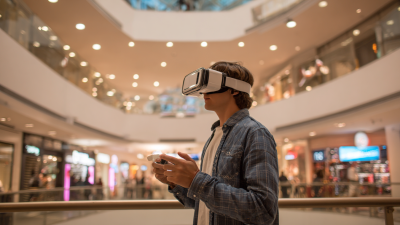
China’s VR amusement equipment sector is growing right along with the broader immersive entertainment market. Grand View Research says the global VR market hit USD 59.96 billion in 2022, and it expects a 27.5% compound annual growth rate from 2023 to 2030. Now, those numbers aren’t specifically about roller coaster simulators, but they do show there’s strong appetite for interactive attractions.
Picking the top VR roller coaster simulator suppliers in China takes more than comparing screen size or whatever motion effects look good in an ad. You’ve got to look at supplier experience, how realistic the simulator feels, platform stability, content development, and after-sales support. And don’t forget the practical stuff: six-axis movement, headset resolution, frame latency, emergency stops, daily operating capacity. A dependable supplier should offer installation training, replacement parts, software updates, and clear testing procedures. IAAPA guidance and ASTM F24 standards for amusement rides are helpful safety references, but buyers still need to check local compliance on their own.
Real-world operating proof matters.
A simulator can look amazing in a showroom and then behave very differently after eight hours of nonstop use. So buyers should ask for customer references, maintenance records, demo videos, and warranty terms that are actually clear. Price matters, sure. But the cheapest quote can hide costs later through downtime and thin content. Supplier rankings are never absolute—they depend on venue size, passenger flow, budget, and how much technical support you expect. This overview, then, compares leading Chinese manufacturers based on evidence rather than promo talk, while keeping in mind that some published specs still need independent verification.
A VR roller coaster simulator combines a headset, motion platform, computer, and surround sound system. It recreates a coaster ride without a physical track. The rider sits in a compact carriage while the platform tilts, lifts, and vibrates with the digital scene.
The headset supplies the visual route. The motion base follows acceleration, braking, turns, and drops. Air jets can add wind across the face. Some systems also include seat belts and emergency-stop controls. The result can feel convincing, but it remains a controlled illusion. Motion must match the image closely. Poor synchronization may cause nausea, eye strain, or loss of balance.
Market interest supports this format. PwC’s Seeing Is Believing report projected that virtual and augmented reality could add 1.5 trillion US dollars to the global economy by 2030. Grand View Research also identifies entertainment and location-based experiences as important VR applications. These figures describe the wider VR industry, not roller coaster simulators alone. That distinction matters.
For buyers comparing Chinese suppliers, practical testing is essential. Ask for motion specifications, headset resolution, loading capacity, maintenance records, and safety documentation. Test a complete ride, not only a showroom demonstration. Check whether the platform stops smoothly during power loss. Real performance can differ from a specification sheet. Even a dramatic simulation needs restrained motion, clear instructions, and trained operators.
A VR roller coaster simulator combines a computer-generated ride video, a head-mounted display, and a motion platform. The chart compares motion-axis capability by simulator architecture, which is a practical specification to review when evaluating suppliers.
Stationary systems provide visual simulation only. Three-degree-of-freedom platforms reproduce pitch, roll, and yaw rotation. Six-degree-of-freedom platforms add surge, sway, and heave translation for a more complete motion experience. These are architecture-based technical capabilities, not supplier rankings.
China’s market is not a simple supplier list. It is a layered manufacturing ecosystem. Motion-platform factories build seats, actuators, frames, and control cabinets. Software studios create ride scenes and interactive effects. Integration companies combine headsets, tracking systems, sound, lighting, and safety controls.
Regional clusters often support faster customization and lower production costs. Many suppliers serve amusement parks, shopping centers, museums, and indoor family entertainment venues. Fortune Business Insights valued the global virtual reality market at USD 62.61 billion in 2023. It forecasts a 27.5% compound annual growth rate through 2030. This figure includes gaming and training, not only simulators. Still, it shows the demand environment clearly. The roller coaster segment itself remains less transparent. That is a weakness.
Tips: Ask for factory test records, motion-load data, software update terms, and spare-parts availability. Request a live demonstration with the exact configuration. A polished showroom may hide poor maintenance access. Check whether the supplier manages mechanical engineering, content production, and on-site installation internally. Also verify compliance with applicable Chinese requirements and ISO 17842 safety principles. Independent inspection is sensible for public venues.
Prices usually reflect more than hardware. Motion accuracy, scene refresh rates, sanitation design, operator controls, and after-sales response matter equally. A cheaper quotation can become expensive after repeated downtime. Buyers should compare total operating cost over three years, not only the purchase price. Industry reports provide useful direction, but field testing remains more reliable than market forecasts.
Chinese VR coaster simulators increasingly rely on several tightly connected technologies.
A six-degree-of-freedom motion platform reproduces drops, banking, acceleration, and braking. Servo motors adjust movement within milliseconds. This timing matters more than extreme motion. During practical testing, smoother transitions usually feel more convincing than violent shaking. The system must also match physical movement with the rider’s visual position. Even small delays can cause discomfort.
High-resolution headsets provide the main visual layer, while optical or inertial tracking monitors head movement.
Real-time rendering engines build tunnels, curves, lighting, and environmental effects around the passenger. Some systems add seat vibration, airflow, and directional audio. These details improve immersion without requiring unsafe intensity. A motion controller or industrial PLC coordinates the platform, headset, sensors, and emergency stop circuit. Technicians should calibrate these parts before daily operation. Dust, loose connectors, and incorrect sensor angles can reduce accuracy.
Reliable suppliers also need structured testing, clear maintenance records, and adjustable motion profiles.
Operators can select gentler settings for children or first-time users. Content should support stable frame rates and comfortable visual design. A beautiful scene is useless when rendering stutters. The motion is not always perfect. Some platforms reproduce direction better than true force, so expectations require careful review. Buyers should request live demonstrations, safety documentation, and service response details before purchasing. That practical evidence often reveals more than a specification sheet.
When comparing China’s leading VR roller coaster simulator suppliers, look beyond attractive product photos. In practical evaluations, motion range, headset clarity, frame rate, and platform recovery speed matter most. Ask for measured data, not broad claims. A stable six-axis platform should move smoothly, without sharp jolts or distracting noise. Test the system with several users. Short demonstrations can hide discomfort.
Supplier experience is easier to verify through factory videos, project references, and documented inspection records. Request a live demonstration with the intended route length and passenger capacity. Check whether the control cabinet, emergency stop, seat restraints, and ventilation meet applicable local requirements. Software support also deserves close attention. Can technicians update content remotely? Are replacement sensors and actuators available? Clear answers indicate stronger engineering discipline. Still, references are not proof. Confirm them independently.
Compare the complete ownership cost, including installation, operator training, shipping, maintenance, and future content updates. A cheaper quotation may exclude essential hardware or service visits. Ask for warranty terms in writing, with response times and spare-part procedures. I once underestimated training time during a simulator assessment; the equipment performed well, but operators needed more practice. That mistake changed my checklist. Now I request acceptance tests, fault simulations, and a maintenance schedule before payment. No supplier is perfect. The most reliable partner explains limitations clearly and provides evidence for every important promise.
Choosing a leading Chinese VR roller coaster simulator supplier requires more than comparing prices. Experienced suppliers study venue size, ceiling height, visitor age, and expected daily usage. They can adjust seat layouts, screen formats, motion intensity, and control systems. A detailed site plan should show cable routes and emergency access. Small details matter.
Installation quality affects comfort and safety. Professional teams inspect flooring, power capacity, ventilation, and equipment clearance before delivery. They provide assembly drawings and train local operators on startup, shutdown, cleaning, and emergency procedures. Technicians should test synchronized motion and visual content with real staff. This step often reveals timing problems. Those problems are easier to fix before opening.
After-sales support should include remote diagnostics, spare parts guidance, software updates, and scheduled maintenance. Ask for response times in writing. Ask who pays for replacement parts. Reliable suppliers keep service records and provide clear troubleshooting instructions. A local technician network is useful, but it cannot replace technical expertise from the manufacturer. Some proposals promise fast support but explain little about weekends or repeated faults. That deserves careful questioning. A practical contract should define training hours, warranty coverage, inspection intervals, and escalation procedures. Good communication remains essential, especially when translation causes small misunderstandings.
China’s VR roller coaster simulator suppliers should be assessed beyond visual quality and motion effects. A polished demo proves little. During site visits, inspect emergency-stop access, seat restraints, motion limits, cable protection, and operator visibility. Ask for test records, risk assessments, electrical documentation, and maintenance procedures. These details reveal engineering discipline better than marketing claims.
Commercial equipment should match applicable amusement-ride, machinery, electrical, fire, and accessibility requirements in the target market. Suppliers should explain which standards their design follows, rather than offering vague compliance statements. Confirm load testing, software safeguards, passenger screening, and evacuation procedures. The venue also needs adequate floor loading, ventilation, power capacity, queue space, and clear safety signage. Small omissions can create serious operational pressure.
Plan for real visitors, not ideal demonstrations. A ten-minute attraction may require frequent cleaning, restraint checks, content resets, and staff intervention. Measure cycle time, daily capacity, motion sickness rates, and downtime during a supervised trial. Request spare-part availability and remote support terms in writing. Training matters too; an attentive operator can prevent avoidable incidents. Still, no supplier can remove every risk. Weather, uneven visitor behavior, and rushed maintenance remain difficult variables. A careful buyer should document these weaknesses before signing, then review performance after installation.
| Evaluation Dimension | Supplier Capability or Requirement | Relevant Standard, Test or Benchmark | Evidence to Request | Commercial Deployment Impact | Priority |
|---|---|---|---|---|---|
| Ride Safety Design | Mechanical structure, restraint system, emergency stop functions and passenger containment must be designed as an integrated amusement-ride system. | ISO 17842 series for safety of amusement rides and devices; EN 13814 may apply where European-market conformity is required. | Structural calculations, risk assessment, safety circuit drawings, restraint inspection records and third-party test reports. | Reduces injury risk, supports venue insurance requirements and simplifies technical acceptance before opening. | Required |
| VR Equipment Safety | Head-mounted displays, cables, tracking equipment and protective interfaces should be suitable for repeated public use. | Applicable electrical and product-safety requirements may include IEC 62368-1, relevant national certification rules and manufacturer conformity documentation. | Electrical safety certificates, declaration of conformity, headset cleaning procedure, cable-management design and replacement schedule. | Influences downtime, hygiene management, operator workload and customer confidence. | Required |
| Motion-Platform Control | Motion cues should be synchronized with the VR content, with controlled acceleration, deceleration and fault recovery. | Risk assessment should address control-system failure, unintended movement and safe shutdown; ISO 17842 and applicable machinery or electrical-control rules should be reviewed. | Motion-control architecture, safe-state description, software validation records, maximum-motion parameters and failure-mode test results. | Directly affects motion sickness, passenger comfort, throughput and long-term actuator reliability. | Required |
| Emergency Stop System | Clearly accessible emergency-stop devices should immediately place the simulator in a safe condition and allow controlled passenger evacuation. | Applicable amusement-ride safety rules, machinery safety principles and local venue regulations. | Emergency-stop circuit test procedure, reset authorization logic, inspection checklist and operator training records. | Improves response time during medical events, equipment faults or passenger distress. | Required |
| Passenger Restraints | Seats, lap bars, harnesses or other restraints must be appropriate for the motion profile and passenger body-size range. | ISO 17842, EN 13814 or locally adopted amusement-ride requirements; venue-specific passenger restrictions may also apply. | Restraint drawings, locking and interlock test results, load ratings, inspection intervals and passenger eligibility limits. | Determines operating capacity, accessibility policy, staff procedures and liability exposure. | Required |
| Structural and Fatigue Testing | Repeated dynamic loading from commercial operation should be considered in frame, seat, actuator and fastening design. | Relevant structural engineering codes, ISO 17842 requirements and documented fatigue or endurance testing. | Finite-element analysis, weld inspection records, fatigue calculations, endurance-test results and maintenance limits. | Predicts service life and helps prevent unexpected closures caused by structural or actuator failures. | Required |
| VR Content Comfort | Content should maintain stable frame rates, consistent horizon cues and motion profiles compatible with the physical platform. | Human-factors review based on ISO 9241 principles and documented comfort testing with representative users. | Target frame rate, latency measurements, comfort-test records, age guidance and motion-sickness mitigation plan. | Affects repeat visits, refund rates, session completion and customer reviews. | Recommended |
| Latency and Synchronization | Head tracking, rendered images, audio and platform movement should be synchronized to minimize discomfort and perceived delay. | Project-specific acceptance criteria should be defined for motion-to-photon latency, tracking stability and synchronization error. | Commissioning test results, latency measurement method, tracking-area specifications and network architecture. | Important for immersive quality, especially in high-throughput venues with frequent content changes. | Recommended |
| Electrical Installation | Power distribution, grounding, overload protection, cable routing and isolation should match the venue installation environment. | IEC 60204-1 may be relevant to electrical equipment of machines; local electrical codes and inspection rules must also be followed. | Electrical schematics, rated power, grounding method, protection-device specifications and installation instructions. | Determines installation cost, energy availability, fire-safety review and approval time. | Required |
| Fire and Materials Safety | Cabinet materials, upholstery, cable insulation and interior finishes should be suitable for public venues and local fire requirements. | Local building and fire codes; applicable flame-retardancy and electrical safety test requirements. | Material certificates, flame-spread or smoke-test documentation, cable specifications and fire-risk assessment. | Can determine whether the simulator is accepted by a shopping mall, family entertainment center or public attraction. | Required |
| Hygiene and Shared-Use Design | Frequently touched surfaces and VR interfaces should be easy to disinfect without damaging optics, foam or electronics. | Venue hygiene policy, cleaning-agent compatibility testing and documented infection-control procedures. | Cleaning instructions, approved disinfectant list, replaceable face interfaces, consumable cost and cleaning-time estimate. | Influences queue speed, operating labor, customer acceptance and equipment lifespan. | Required |
| Accessibility | Layout, transfer space, controls, passenger restrictions and alternative experiences should be evaluated for users with different mobility or sensory needs. | Applicable local accessibility, building and public-accommodation regulations. | Accessibility assessment, seat-transfer dimensions, alternative content mode and operator assistance procedure. | Expands the addressable audience and supports venue compliance and inclusive operations. | Recommended |
| Supplier Manufacturing Quality | Supplier should maintain controlled assembly, traceability for safety-critical parts and documented inspection processes. | ISO 9001 certification is useful evidence of a quality-management system but does not replace product-safety compliance. | Quality manual, incoming-inspection records, serial-number traceability, nonconformance process and factory-acceptance test. | Reduces variation between units and improves consistency during multi-site deployment. | Recommended |
| Factory and Site Acceptance | Equipment should pass documented factory testing before shipment and site commissioning after installation. | Project-specific acceptance protocol covering safety, performance, content, electrical installation and emergency procedures. | FAT and SAT checklists, signed test records, punch-list process and final acceptance criteria. | Prevents disputes over performance and provides a controlled handover to the venue operator. | Required |
| Reliability and Maintenance | Design should support preventive maintenance, rapid replacement of wear parts and safe access to service areas. | Manufacturer maintenance intervals should be supported by operating-hour data, inspection procedures and component ratings. | Preventive-maintenance schedule, spare-parts list, mean-time-to-repair target, service manuals and technician training plan. | Directly affects availability, revenue per operating hour and total cost of ownership. | Required |
| Technical Support | Supplier should provide remote diagnostics, software updates, troubleshooting support and defined response times. | Service-level agreement with documented escalation and incident-management procedures. | Support-hours schedule, response-time commitments, remote-access policy, update policy and local service coverage. | Critical for venues operating multiple units or locations with limited in-house engineering staff. | Required |
| Content and Software Governance | Content licensing, version control, user accounts, data handling and offline operating capability should be clarified before purchase. | Contractual review, cybersecurity assessment and applicable privacy regulations for collected user or operational data. | License terms, update ownership, offline mode, data-flow diagram, access-control policy and backup procedure. | Impacts recurring fees, operational continuity and the ability to customize experiences. | Verify |
| Venue and Space Planning | Allow for simulator footprint, queue area, operator sightlines, evacuation routes, ceiling height, ventilation and equipment access. | Local building, fire, occupational-safety and public-assembly requirements. | Scaled layout, floor loading, power plan, ventilation requirements, noise data and evacuation clearance drawings. | Often determines whether the installation is feasible and how many units can operate in the available area. | Required |
| Noise and Guest Experience | Mechanical noise, cooling fans, platform movement and audio leakage should be evaluated for the surrounding venue. | Venue-specific noise limits and occupational-noise assessment where applicable. | Sound-pressure measurements, operating-noise profile, acoustic treatment options and neighboring-attraction impact assessment. | Important in shopping centers, museums, cinemas and mixed-use entertainment spaces. | Recommended |
| Throughput and Revenue Model | Commercial performance depends on cycle time, loading and unloading time, cleaning time, staffing and daily operating hours. | Use measured site data rather than nominal supplier claims; calculate capacity from the complete operating cycle. | Cycle-time test, theoretical hourly capacity, practical utilization assumption, staffing model and downtime allowance. | Provides the basis for ticket pricing, payback analysis and return-on-investment comparisons. | Required |
| Documentation and Training | Operators need clear procedures for passenger screening, loading, emergency response, cleaning, daily inspection and shutdown. | Venue operating procedures should align with applicable amusement-ride safety rules and local authority requirements. | Operator manual, inspection logbook, training syllabus, competency assessment and emergency-drill records. | Supports consistent operation across shifts and reduces preventable human-factor incidents. | Required |
| Compliance for Export and Import | Destination-country certification, customs documentation, installation responsibilities and local inspection requirements should be confirmed early. | Requirements vary by destination; possible areas include amusement-ride, electrical, electromagnetic-compatibility, radio-equipment and machinery rules. | Product specification, packing list, conformity documents, country-of-origin records, installation drawings and authority correspondence. | Reduces customs delays, redesign risk and unexpected certification costs. | Verify |
It combines a headset, motion platform, computer, and surround sound. Riders sit in a compact carriage. The system creates a controlled digital ride without physical tracks.
The platform tilts, lifts, vibrates, accelerates, brakes, and turns. Air jets may create wind across the rider’s face. Motion must closely match the headset image.
Yes, poor synchronization may cause nausea, eye strain, or balance problems. Short demonstrations can hide discomfort. Test several users before making a decision.
Check seat belts, emergency-stop controls, ventilation, and smooth movement during power loss. Ask operators to demonstrate a controlled stop. Safety details matter.
Request measured data for motion range, headset resolution, frame rate, and loading capacity. Factory videos and inspection records can support evaluation. Evidence beats attractive photos.
Test the intended route length and passenger capacity. Check platform recovery speed, noise, sharp jolts, and image stability. Test a complete ride, not only a showroom display.
Consider installation, shipping, operator training, maintenance, and future content updates. A low quotation may exclude service visits or essential hardware. Read warranty terms carefully.
Operators need practice with normal use, faults, and emergency stops. Ask about remote updates, replacement sensors, and spare actuators. I once underestimated training time. That changed my checklist.
No. Confirm project references independently and request documented acceptance tests. A reference is useful, but it is not proof. Limitations should be explained clearly.
A Vr Roller Coaster Simulator combines motion platforms, immersive visual systems, surround sound, and interactive controls to recreate the excitement of a roller coaster in an indoor environment. China’s market includes manufacturers specializing in complete simulator systems, motion equipment, software development, themed attractions, and project integration. Key technologies may include multi-axis motion control, high-resolution projection or head-mounted displays, synchronized audio, safety sensors, and centralized operation systems.
When comparing Chinese suppliers, buyers should evaluate simulation quality, hardware reliability, customization options, production capacity, installation services, staff training, maintenance response, and software update support. A capable supplier should also provide clear technical documentation and assistance with venue planning, power requirements, passenger flow, and daily operation. Before commercial deployment, operators should review equipment safety features, user weight and height limits, emergency-stop functions, accessibility, local certification requirements, and regular inspection procedures. Careful planning helps ensure that the simulator delivers an engaging experience while supporting safe, stable, and efficient long-term operation.