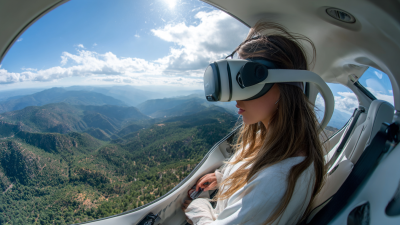
As we approach 2025, the landscape of virtual reality continues to evolve, bringing new and exhilarating experiences to enthusiasts worldwide. One of the most thrilling developments in VR technology is the concept of "VR Standing Flight." This immersive experience allows users to feel the sensation of flying, offering a unique blend of physical engagement and digital adventure that transports them beyond the confines of reality. For those eager to explore this captivating realm, understanding the techniques and tips for effectively experiencing VR Standing Flight is essential.
In this guide, we will delve into the fundamental aspects of engaging in VR Standing Flight, ensuring that both newcomers and seasoned users can maximize their enjoyment and safety. By embracing the innovative advancements in virtual environments and harnessing the power of cutting-edge VR technology, participants can create an unforgettable flight simulation that feels authentic and exhilarating. With the right preparation and techniques, flying in VR can become not just a game, but a transformative experience that challenges the limits of our imaginations. Join us as we explore how to navigate through the skies of 2025 and make the most of this extraordinary VR phenomenon.

Understanding the Concept of VR Standing Flight
Virtual Reality (VR) has evolved into an immersive medium that allows users to explore and interact with digital environments in unprecedented ways. The concept of VR standing flight presents an exciting opportunity for users to experience the sensation of flight while standing, creating an engaging blend of physical activity and virtual exploration. This unique experience harnesses the power of motion tracking and haptic feedback to simulate the dynamics of flying, providing a sense of freedom and weightlessness that is often hard to replicate in conventional gaming or simulation experiences.
To achieve this, effective use of space and motion is essential. Users can engage in a variety of movements, such as leaning, jumping, or flapping their arms, to control their virtual flight path. The design of the VR environment plays a crucial role; it should include diverse terrains and atmospheres that respond to these movements, enhancing the realism of the experience. Incorporating sensory elements, such as wind simulation or soundscapes, can further immerse users in the virtual flight. As developers refine the technology and design behind VR standing flight, this innovative approach promises to redefine how users interact with virtual worlds, allowing them to transcend the limitations of gravity and experience boundless adventure.
Essential Equipment for Experiencing VR Standing Flight
To fully enjoy the immersive experience of VR standing flight, having the right equipment is essential. First and foremost, a high-quality VR headset is crucial. Look for headsets that offer high resolution and a wide field of view to enhance your visual experience. Additionally, ensure that the headset is comfortable for prolonged use, as you may spend extended periods exploring virtual landscapes.
Another important piece of equipment is a pair of motion controllers. These devices allow you to interact with your virtual environment seamlessly, enhancing your sense of presence in the VR world. Opt for controllers that feature precise tracking capabilities and ergonomic designs to ensure that you can maneuver easily and naturally. Moreover, consider investing in a designated play space that provides ample room for movement, as this will help you fully engage in flight simulations without the risk of hitting obstacles.
Lastly, incorporating accessories such as a VR mat can further elevate your experience. A VR mat helps define your play area and provides tactile feedback for your movements, aiding in spatial awareness. Together, these pieces of equipment will create an unforgettable VR standing flight experience, transporting you to new heights in the virtual realm.
Setting Up Your VR Space for Optimal Performance
Creating an optimal VR space for standing flight in 2025 requires careful consideration of both physical and virtual environments. First, ensure your designated area is spacious enough to allow for free movement. A minimum of 6.5 feet by 6.5 feet is recommended to accommodate dynamic actions without the risk of collision. Clear the space of any obstacles such as furniture or decorative items that could pose a tripping hazard. Additionally, consider the flooring; a flat, non-slippery surface will enhance stability and quality of movement, contributing to a more immersive experience.
Lighting is equally important in setting up your VR environment. Opt for a well-lit area to improve tracking accuracy, as most VR systems rely on external sensors to detect your position. Natural light is beneficial, but avoid direct sunlight that could create harsh shadows and reflections. Use soft, diffused lighting to maintain a consistent light level.
Moreover, managing sound can significantly improve immersion; a quiet area free from loud disturbances will help you focus on the experience. Incorporating sound-dampening materials, like rugs or curtains, can further enhance the atmosphere, allowing you to feel fully absorbed in your virtual flight adventure.
Techniques for Achieving Realistic Flight Experiences
In 2025, the evolution of virtual reality (VR) has pushed the boundaries of immersive experiences, particularly in simulating the sensation of flight. To achieve the most realistic flight experiences in VR, several techniques can be implemented that leverage advancements in hardware and software. According to a report by the International Data Corporation (IDC), the global VR market is projected to reach $57 billion by 2025, highlighting the growing demand for high-fidelity experiences that appeal to consumer desires for realism and engagement.
One effective technique for enhancing the realism of VR flight experiences is the integration of haptic feedback technology. Haptic devices provide tactile sensations that mimic the physical forces experienced during flight, such as turbulence or acceleration. Research by the IEEE has shown that incorporating haptic feedback enhances user immersion by 40%, as it creates a more convincing representation of the flying experience. Additionally, optimizing the VR environment for spatial awareness through accurate 3D audio can significantly improve the user's sense of presence, making the flight simulation more believable. With advancements in spatial audio, users can identify the direction and distance of sounds, enhancing their navigation and control within the VR space.
Moreover, employing motion tracking systems allows users to move freely and intuitively within their flight simulation, whether standing or in action. This technology not only increases user engagement but also improves the overall experience by synchronizing physical movements with in-game actions. According to a report from the Virtual Reality Developers Conference, 78% of participants noted a stronger sense of vertigo and realistic flying sensations when using a combination of motion tracking and immersive visuals. As VR technology continues to progress, these techniques will be essential in creating unparalleled flying experiences that transport users to new heights in virtual realms.
Adjusting VR Settings for Enhanced Immersion
To fully immerse oneself in a standing flight experience in virtual reality, adjusting VR settings is crucial to maximize realism and interaction. Research from the International Journal of Human-Computer Interaction indicates that optimized settings for tracking accuracy can reduce motion sickness by up to 40%, essential for experiences that involve flight and movement. Adjusting the field of view (FOV) is another key factor; studies demonstrate that an increased FOV enhances spatial awareness and depth perception, making users feel more connected to their virtual environment.
Additionally, calibrating environmental settings, such as lighting and sound, can significantly enhance immersion. A report from the VR/AR Association highlights that users report a 35% increase in overall enjoyment when audio and visual elements are finely tuned to match the virtual experience. This includes managing the balance between ambient sounds and directional audio, which can create a more authentic flying experience. By focusing on these adjustments, users can elevate their VR flight experiences, enabling a more exhilarating and realistic adventure in the skies.
How to Experience VR Standing Flight in 2025 Tips and Techniques - Adjusting VR Settings for Enhanced Immersion
| Aspect |
Recommended Settings |
Tips |
| Field of View |
110-120 degrees |
Adjust according to personal comfort to reduce motion sickness. |
| Refresh Rate |
90Hz and above |
Higher rates provide smoother visuals and enhance realism. |
| Resolution |
Minimum 1800x1200 |
Use the highest resolution available for better text clarity and detail. |
| Audio Settings |
3D Spatial Audio |
Enhances the feeling of presence; use high-quality headphones. |
| Controller Sensitivity |
Medium to High |
Tweak sensitivity for better control and responsiveness. |
| Boundary Settings |
Adjust to safe play area |
Ensure ample space to move without obstacles. |
Safety Tips for VR Standing Flight Activities
When engaging in VR standing flight activities, safety should always be the top priority. One of the most crucial aspects is ensuring that the play area is clear of obstacles. Before taking flight, participants should have a dedicated space free from furniture, toys, and other items that could result in tripping or colliding during gameplay. This not only protects the user but also prevents potential damage to household items.
Additionally, using a safety harness or VR boundary system can further enhance the experience by creating a secure environment for movement.
Another important safety measure involves being conscious of your physical limits. Users should take regular breaks to avoid fatigue, which can lead to loss of balance or disorientation in the VR environment. It is also essential to use comfortable and well-fitted VR gear that allows for a full range of motion without excessive strain. Staying hydrated and maintaining a proper stance can enhance stability and comfort while enjoying the immersive experience.
Understanding these safety tips will help elevate the enjoyment while reducing the risk of injury, ensuring an exhilarating and safe VR standing flight.
Future Trends in VR Technology and Flight Simulation
The future of virtual reality (VR) technology is poised to revolutionize flight simulation, offering users immersive experiences that blur the lines between reality and the digital realm. In the coming years, advancements in haptic feedback systems and motion tracking will enhance the sensation of flight, allowing users to feel the movements and forces associated with flying. By integrating advanced sensors and AI-driven environments, VR systems will create flight scenarios that respond dynamically to user actions, providing a level of realism previously unattainable.
As VR becomes more accessible, we can also expect the rise of community-driven flight simulation environments. Users will be able to share modifications and scenarios, creating a rich tapestry of content that caters to a variety of flying styles and preferences. Social interactions within these virtual spaces will enhance the experience, enabling collaboration and competition among users. This shift towards community engagement will not only enrich the simulation experience but also foster a sense of belonging among enthusiasts, making the flight simulation community a vibrant and integral part of the VR ecosystem.
VR Flight Experience Trends in 2025
FAQS
: VR standing flight is an immersive virtual reality experience that allows users to simulate the sensation of flying while standing, using motion tracking and haptic feedback to create a sense of freedom and weightlessness.
Users can engage in various movements such as leaning, jumping, or flapping their arms to control their virtual flight path and enhance the realism of the experience.
Essential equipment includes a high-quality VR headset for a better visual experience, motion controllers for interaction with the virtual environment, and a designated play space that allows for comfortable movement.
The design of the VR environment is crucial; it should feature diverse terrains and respond to user movements, incorporating sensory elements like wind simulation and soundscapes to enhance immersion.
A minimum play space of 6.5 feet by 6.5 feet is recommended to allow for free movement during dynamic actions and to prevent collisions with obstacles.
Proper lighting is important for tracking accuracy; a well-lit environment with soft, diffused lighting can enhance the VR experience while avoiding direct sunlight that creates harsh shadows.
Having a flat, non-slippery surface is vital for enhancing stability and quality of movement, leading to a more immersive and safe VR experience.
Sound management can greatly improve immersion; using a quiet area and incorporating sound-dampening materials can help users focus on the virtual experience, enhancing the overall enjoyment.
Motion controllers allow users to interact with the virtual environment seamlessly, featuring precise tracking and ergonomic designs that enable easy and natural maneuvers during flight simulations.
A VR mat helps define the play area and offers tactile feedback for movements, which aids in spatial awareness, making the VR standing flight experience more engaging and realistic.
Conclusion
The article "How to Experience VR Standing Flight in 2025 Tips and Techniques" explores the exciting realm of VR Standing Flight, providing readers with essential knowledge and methods to enhance their experience. It begins by clarifying the concept of VR Standing Flight and the equipment needed to fully engage in this immersive activity. Proper setup of the VR space is crucial for optimal performance, and the article emphasizes the importance of safety measures to ensure an enjoyable experience.
Moreover, it offers practical techniques for achieving realistic flight experiences, alongside tips for adjusting VR settings to boost immersion. As technology continues to advance, the article concludes with insights into future trends in VR and flight simulation, highlighting the evolving possibilities for enthusiasts eager to embrace this innovative form of entertainment.