
Virtual Reality Racing is honestly such an exciting way to get your adrenaline pumping without even leaving your house. When you put on a good VR headset, you're totally immersed in incredible graphics and super realistic racing simulations. Brands like Oculus and HTC are really pushing the boundaries here—they make gear that helps you feel every turn and burst of speed like you're actually on the track.
That said, if you’re aiming for that pro-level experience, it’s not just about having a fancy headset. You also need the right racing software, a solid wheel, and a setup that really pulls you in. The best games out there truly capture the essence of real racing— but man, they can be pretty tough to master. It takes patience and lots of practice. Honestly, a lot of folks get frustrated early on, feeling like they’re making no progress. The whole VR racing thing can be pretty intimidating at first.
But don’t get discouraged! Improving your skills really helps, so try joining online communities like iRacing or forums where others are sharing tips and experiences. Trust me, everyone messes up sometimes— even the pros. It’s all part of learning and getting better. Just keep at it, embrace the challenges, and keep refining your technique. Eventually, you’ll find yourself racing like a boss!

Understanding Virtual Reality Racing: A Comprehensive Overview
Virtual reality racing has surged in popularity, captivating enthusiasts around the world. This immersive experience transports you into a digital domain where you're not merely watching a race; you are part of it. High-quality graphics and realistic sound effects create a sense of presence. You can feel the thrill of zooming past competitors, the rush of adrenaline courses through you.
Understanding the basics is crucial. Familiarize yourself with the equipment needed, such as VR headsets and motion controllers. These tools enhance your experience but can also be cumbersome. Sometimes, they may not function as expected. Adjusting to VR can take time. Sensitivity to motion sickness is common, and it's important to gradually increase your playtime.
Concentration is key in virtual racing. Each turn, each pit stop can affect your standing. Mistakes happen. You might overshoot a corner or hesitate under pressure. Learning from these moments is part of the process. Whether it’s adjusting your strategy or honing your reflexes, reflection fuels improvement. Embrace the learning curve and push your limits to truly experience virtual reality racing like a pro.
How to Experience Virtual Reality Racing Like a Pro? - Understanding Virtual Reality Racing: A Comprehensive Overview
| Dimension | Details |
|---|---|
| VR Headset | High-resolution display with a wide field of view (FOV) |
| Controllers | Motion-sensitive controllers for precise control |
| Tracking System | External sensors or inside-out tracking for accurate movement |
| Racing Simulator Setup | Dedicated racing wheel, pedals, and seat for immersion |
| Software Compatibility | Support for popular racing games and VR experiences |
| Internet Connection | Stable and high-speed connection for online racing |
| VR Space | Adequate play area free of obstacles for safety |

Exploring the Thrills of VR Shooting Free Roam Experience: An Immersive Adventure Awaiting You
Virtual reality (VR) has revolutionized the gaming landscape, especially in the realm of shooting experiences that allow players to roam freely within immersive environments. With the introduction of next-generation free-roam XR experiences, enthusiasts can expect a blend of physical movement and engaging narratives that heighten the thrill of gameplay. According to a recent industry report, the global VR gaming market is expected to reach $45 billion by 2028, reflecting a growing consumer interest in interactive entertainment.
The allure of VR shooting experiences lies in their capacity to simulate real-world scenarios, allowing players to navigate through physical spaces and engage with their surroundings in a way that traditional gaming cannot replicate. A key feature of these experiences is the ability to encounter story-driven combat scenarios enhanced by sensory effects, which create a heightened sense of immersion. Reports suggest that games integrating multi-sensory feedback, including motion, sound, and haptics, significantly enhance player satisfaction and engagement. As this technology continues to evolve, players can expect even more intricate narratives and dynamic environments that respond to their actions, making each session unique and exhilarating.
Moreover, the social aspect of these VR experiences cannot be overlooked. As users participate in mission-driven gameplay, they not only challenge themselves individually but also collaborate with others in shared experiences. This connectedness fosters a sense of community and competition that is pivotal in modern gaming. Industry experts highlight that multiplayer VR environments are becoming increasingly popular, with many surveying that such interactions can improve overall player retention and enjoyment, making the future of VR shooting experiences an approachable yet thrilling adventure for all gamers.

FAQS
: The product aims to improve daily convenience and enhance user experience. It is designed to solve common problems in everyday life.
The product uses a simple mechanism. Users can operate it easily without any complex instructions.
Users should follow guidelines. Some actions may lead to unexpected outcomes if instructions are not properly adhered to.
Yes, it functions well in various settings. However, extreme conditions may affect its efficiency and performance.
Regular cleaning is recommended. Neglecting maintenance may lead to decreased performance over time.
A limited warranty is typically included. Users may need to check specifics, as terms can vary.
If issues arise, refer to the troubleshooting section in the manual. Contacting support may be necessary for unresolved problems.
Modifications are not advised. Changes might compromise functionality and lead to risks that users would need to consider.
Some return options may be available. Check return conditions, as dissatisfaction may require action within a specific timeframe.
User reviews can be found on various platforms. They can provide insights, but opinions may vary widely.
Conclusion
The article "How to Experience Virtual Reality Racing Like a Pro?" offers a comprehensive guide for enthusiasts looking to elevate their Virtual Reality Racing Experience. It begins by providing a foundational understanding of VR racing, followed by essential equipment recommendations for an immersive experience. Setting up a dedicated VR racing space is crucial for optimal performance, as is selecting the right racing simulator software and games that cater to various skill levels.
Moreover, the article shares valuable techniques from seasoned racers, highlighting tips and tricks to improve skills and cultivate a competitive edge. To enhance realism, it discusses accessories like racing wheels and pedals that further immerse users in the virtual environment. Finally, the article encourages joining the vibrant community and participating in events, fostering a shared passion for virtual racing among fans.
Related Posts
-

Discover the Thrilling Benefits of Vr Racing Simulator Machine for Ultimate Racing Experience
-

Exploring Real World Applications of the Best VR Play Park in Entertainment and Education Industries
-
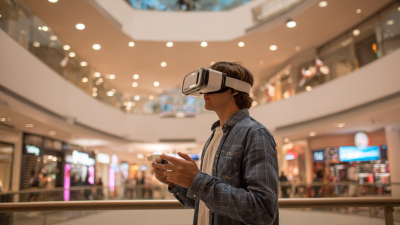
Exploring Challenges Faced by Global Buyers in Integrating Vr Mall Cinema Solutions
-
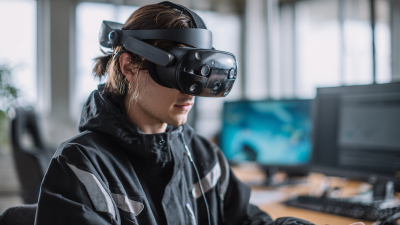
Understanding Challenges Faced by Users of Vr Equipment in Various Industries
-
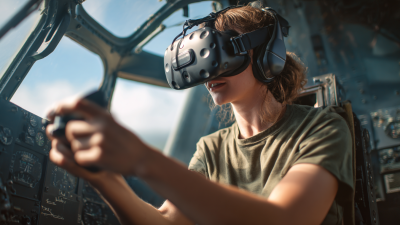
How to Experience Thrills with Vr Flight Games Through Immersive Simulation
-

How to Experience VR Standing Flight in 2025 Tips and Techniques
