
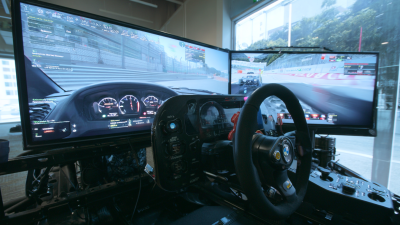
In the ever-changing world of entertainment, the VR Racing Simulator Machine really stands out as a cool option for businesses looking to spice things up. This kind of tech offers a super immersive racing experience that totally grabs people's attention. Companies like RaceRoom and VRX Racing have jumped on this trend, drawing in a wide range of racing fans and casual gamers alike. Honestly, the realism you get with a VR Racing Simulator can really ramp up the excitement—clients feel like they’re actually on the track, which is pretty awesome.
Putting money into a VR Racing Simulator can be a great way to boost customer engagement and bring in more cash. It’s a fun and exciting alternative to more traditional gaming setups. A lot of places have noticed that it helps increase foot traffic and even keeps guests hanging around longer, thanks to how interactive and engaging the experience is. That said, it’s important to keep in mind the costs and ongoing maintenance—these machines aren’t exactly cheap or maintenance-free. And not every business will see the same results, so it’s smart to keep evaluating whether it’s worth it over time.
At the end of the day, choosing the right VR Racing Simulator is all about thinking things through carefully. There’s definitely a big potential to attract new customers, but it also comes with its challenges. Getting a good sense of what your market actually wants and investing in quality gear can really make a difference. With the tech world changing so fast, staying updated helps ensure you’re making the most of your VR investments—and actually getting a good return!

Benefits of VR Racing Simulators for Business Growth
Virtual Reality (VR) racing simulators offer unique opportunities for business growth. They provide immersive experiences that attract customers and enhance engagement. Businesses using VR driving machines can increase foot traffic, drive customer loyalty, and create memorable moments. A VR racing simulator can create an exhilarating environment, encouraging repeat visits from customers eager to return and compete.
Moreover, these simulators can easily adapt to various events. They are perfect for corporate team-building exercises, client entertainment, or promotional events. This versatility can enhance the atmosphere and foster community engagement. However, setting up such technology requires careful planning and consideration. Not all locations may have sufficient space or proper electrical setups for these machines.
Investing in VR technology can offer high returns, but businesses must consider their specific demographic. Understanding the target audience is crucial. It's important to gather feedback and make necessary adjustments. Sometimes, the initial investment might not yield immediate profits. Reflecting on performance and refining the experience can help in developing a successful strategy for leveraging VR racing simulators.
Why Choose a VR Racing Simulator Machine for Your Business? - Benefits of VR Racing Simulators for Business Growth
| Benefit | Description | Impact on Business Growth |
|---|---|---|
| Enhanced Customer Engagement | VR racing simulators offer an immersive experience that captivates customers and keeps them engaged for longer periods. | Increased customer retention and word-of-mouth promotion. |
| Attracting New Customers | Unique offerings like VR simulators can draw in new clients who are looking for innovative experiences. | Broader customer base and enhanced market reach. |
| Increased Revenue Streams | Offering VR racing as a service can create new revenue opportunities through ticket sales, membership plans, or event hosting. | Higher overall profits and business viability. |
| Competitive Advantage | Investing in cutting-edge technology sets a business apart from competitors, making it more appealing to potential customers. | Strengthened market position and brand reputation. |
| Interactive Marketing Opportunities | VR simulators can be tied into marketing campaigns, providing a platform for promoting products and services interactively. | Boosted brand awareness and customer loyalty. |


Exploring the Market Potential of Commercial VR Flight Simulators: Insights from Industry Reports and Trends
The commercial potential of VR flight simulators is increasingly being recognized in various sectors, particularly within entertainment and training industries. Among these cutting-edge technologies, a standout product is the 3 Seats 360° rotating VR flight simulator. This immersive system not only incorporates advanced motion technology but also delivers an unparalleled flying experience that captivates users from virtual reality enthusiasts to professional pilots in training.
Equipped with a 360-degree rotating platform and synchronized motion effects, the simulator offers users the ability to engage in interactive flight adventures like never before. Each session allows players to explore virtual skies, engage in aerial maneuvers, and experience the thrill of flight in a safe environment. The multi-seating arrangement is ideal for commercial settings, such as amusement parks or flight schools, making it a versatile addition to any entertainment or educational establishment looking to enhance their offerings. As the market for such simulations expands, the demand for advanced, engaging experiences like this one is likely to grow, reflecting broader trends in both technology and consumer preferences.

FAQS
: VR racing simulators attract customers, enhance engagement, and create memorable experiences.
They provide immersive experiences that encourage repeat visits from eager customers.
They are great for corporate team-building, client entertainment, and promotional events.
They must assess their target audience and space requirements for the setup.
Customer feedback helps refine the experience and make necessary adjustments.
Equipment should be user-friendly, but some users may initially find it overwhelming.
Users competing against each other fosters interaction and excitement among participants.
Not all locations may have the appropriate space or electrical setup for VR machines.
Initial investments may not yield quick profits. Reflection and refinement are essential.
Balancing excitement with accessibility can enhance the overall experience for diverse users.
Conclusion
The article discusses the numerous advantages of integrating a VR Racing Simulator Machine into business operations. These machines not only enhance customer engagement by providing immersive experiences that captivate users, but they also contribute to business growth by attracting a diverse audience. The cost-effectiveness of VR racing simulators is highlighted, showing how they can deliver high returns on investment while being integrated into various business models.
Furthermore, the technological features that drive the popularity of VR racing machines are explored, illustrating their appeal in modern entertainment and gaming venues. Case studies of successful implementations demonstrate how businesses across different sectors have leveraged these simulators to boost customer satisfaction and engagement, ultimately enhancing their competitive edge in the market.
Related Posts
-

Why Choose a VR Racing Simulator Machine for Realistic Driving?
-
The Future of Immersive Racing Game Simulators and Their Impact on Gaming Experience
-

Explore the Thrilling World of 9D VR Racing Simulators and Their Impact on Gaming Culture
-

How to Choose the Best VR 360 Motion Chair for Your Needs?
-

How to Experience the Future of Entertainment with VR Theme Parks
-

What is VR Combat Simulator? A Complete Guide to Immersive Gaming Experience
