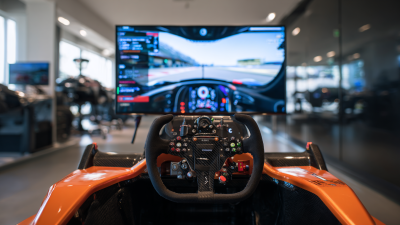
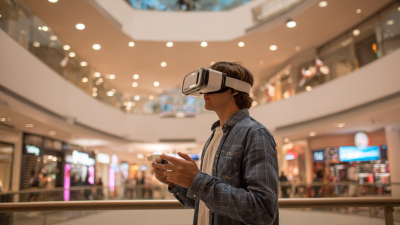
You know, VR has really changed the way we experience things, and riding motorcycles is no different. A VR Motorcycle Simulator can give you that adrenaline rush of hitting the open road — minus all the dangers that come with real riding. Big names like Oculus and HTC have poured a lot into this tech, creating immersive experiences that really get your senses going, making it almost feel like you're actually out there on the street.
Of course, not all VR motorcycle simulators are made equal. Some might lack the crisp graphics or realistic physics that serious riders are craving. People who’ve tried them out share mixed reviews, which just shows how important it is to do a bit of homework before you make that purchase. Spending a few minutes researching can totally change your gaming or training experience for the better.
Figuring out which VR motorcycle simulator to go with can feel a little overwhelming. It's worth paying attention to features that boost realism, like motion tracking and controls that respond smoothly. Sure, some simulators might look fantastic but fall flat in other areas. Reading what other users are saying can really help point you in the right direction and avoid disappointing surprises down the line.

Understanding VR Technology in Motorcycle Simulators
Virtual Reality (VR) technology has transformed the world of motorcycle simulators. This innovation allows riders to immerse themselves in a realistic environment. By simulating wind, sound, and visual elements, VR can replicate the sensation of riding a motorcycle. This makes it easier to practice and improve skills without real-world risks.
When choosing a VR motorcycle simulator, consider the equipment.
High-quality VR headsets and motion-tracking systems are essential for an immersive experience. These components enhance realism and user engagement. Testing different setups may reveal personal preferences and performance differences.
Tips for enhancing your VR simulation include adjusting settings for optimal comfort. Ensure the headset fits snugly, reducing distractions. Take breaks regularly to avoid fatigue.
Also, try various riding styles and terrains. Experimenting affects how effectively you learn. Remember, reflections on your riding technique can lead to substantial improvements. Explore the potential of VR to elevate your skills.
Key Features to Look for in a VR Motorcycle Simulator
When searching for an exceptional VR motorcycle simulator, several key features should guide your decision. A high-quality simulator offers realistic graphics and handling. This creates a sense of true immersion in the motorcycle riding experience. Industry reports show that around 75% of users prefer simulators that replicate real-world physics and environmental conditions.
The sound quality is equally important. High-fidelity audio can elevate the virtual experience significantly. Users often report that authentic engine sounds and wind resistance add to the realism. When sound matches the visuals, it builds a profound connection to the experience. Research suggests that sound can enhance immersion by over 40%, making it a crucial feature.
Moreover, customization options can significantly impact user satisfaction. Riders appreciate the ability to modify their bikes within the simulator. This includes changing settings or fine-tuning handling characteristics. Flexibility allows for personal preference, catering to different riding styles. However, some platforms may lack in this area, leading users to feel restricted. In essence, prioritizing these features ensures a more rewarding and enjoyable VR motorcycle simulation experience.
Explore the Best VR Motorcycle Simulator for Ultimate Riding Experience
The chart above illustrates user ratings for key features of the best VR motorcycle simulators. Factors such as realism, graphics quality, user interface, price, and game variety are critical to the ultimate riding experience.
Top VR Motorcycle Simulators Available on the Market
Virtual reality motorcycle simulators have become increasingly popular for riders and enthusiasts alike. They offer a fun and immersive way to experience the thrills of riding without leaving home. Several top simulators stand out based on realism, graphics, and gameplay.
One significant aspect is the ability to customize your riding environment. Set your preferences for weather, time of day, and road conditions. Some simulators even allow you to ride in different locations, such as famous racetracks or scenic routes. This level of detail enhances immersion, making each ride unique and exciting.
**Tip:** Pay attention to the controller feedback. Good simulators provide realistic vibrations and resistance. This not only enhances your experience but also helps you learn bike handling better.
Another factor is the integration with VR headsets. The right headset elevates the experience. This technology can make users feel as if they are actually on the bike. It’s crucial to choose a setup that minimizes lag to keep the experience smooth.
**Tip:** Take breaks during long sessions. VR can be overwhelming, and fatigue can affect your performance. Stepping away helps maintain focus and enjoyment.
While simulators can’t replace real-world riding, they offer valuable skills. By practicing in a safe environment, riders can improve their techniques. It's important to reflect on your experience and continue to learn, as every ride can teach something new.
Explore the Best VR Motorcycle Simulator for Ultimate Riding Experience
| Simulator Name |
Realism Level |
Features |
Price Range |
User Rating |
| Ultimate Ride Simulator |
High |
360-degree view, customizable bikes, online multiplayer |
$29.99 - $49.99 |
4.8/5 |
| MotoVR Challenge |
Medium |
Realistic physics, extensive track library |
$19.99 - $39.99 |
4.5/5 |
| Rider Edge VR |
Very High |
Advanced AI traffic, weather effects |
$49.99 - $79.99 |
4.9/5 |
| Virtual Track Rider |
Medium |
Simple controls, easy-to-learn |
$14.99 - $24.99 |
4.2/5 |
| Extreme Motors VR |
High |
Multiplayer modes, various terrains |
$34.99 - $54.99 |
4.6/5 |
Comparing Realism and Immersion in VR Riding Experiences
Virtual reality (VR) motorcycle simulators offer unique riding experiences that enhance both realism and immersion. According to a report from PwC, the VR industry is projected to reach over $21 billion by 2025, indicating a growing interest in such simulations. Key factors include motion tracking and detailed environmental design, contributing to the overall experience. Motion feedback can create the sensation of wind and acceleration, vital for an engaging ride.
The impact of realism on user experience is crucial. A recent study indicated that 78% of users felt more immersed when the simulator accurately reflected real-world physics. Users reported improved retention of skills learned during VR training compared to traditional methods. However, some users experienced motion sickness or discomfort, highlighting a need for further refinement in design. Balancing realism with user comfort can pose challenges that developers need to address.
Immersion often hinges on sound quality and visual fidelity. Reports show that high-resolution graphics and spatial audio are essential for a convincing experience. Yet, many simulators still struggle to achieve this balance. The pursuit of hyper-realistic environments can lead to technical hurdles, often sacrificing performance for aesthetics. Simulator users can reflect on their experiences to help developers refine their systems.
User Reviews and Feedback on Popular VR Motorcycle Simulators
Virtual reality has revolutionized the gaming world, especially in motorbike simulations. Many users express their excitement about this immersive experience. Feedback from riders highlights how these simulators allow them to experience realistic acceleration, braking, and cornering. The visual effects create stunning environments that enhance the feeling of speed. However, not all users find these products perfect.
Many consumer reviews mention challenges in calibration. Some riders report that the controls can feel unresponsive or imprecise. This can lead to frustration during high-speed turns or complex maneuvers. It’s important to take the time to adjust settings for optimal performance. Communication with fellow riders can help troubleshoot common issues.
For an ultimate ride, consider these tips. Ensure your space is clear to avoid collisions with furniture. Wearing a comfortable helmet can reduce discomfort during long sessions. Practice is key; start with easier courses and gradually increase difficulty. Engage with the community for sharing experiences. Feedback is a valuable resource that can enhance your overall VR biking journey.
Tips for Enhancing Your VR Motorcycle Riding Experience
When using a VR motorcycle simulator, immersion is key.
Choose high-quality VR headsets to enhance your experience. A well-calibrated headset allows you to feel the environment around you more vividly.
Consider your seating position; an adjustable seat can significantly affect comfort and realism.
Follow safety protocols, even in a virtual setting, to develop good habits.
Feedback plays a crucial role in improvement.
After each session, reflect on your riding techniques. Were you able to maneuver smoothly? Did the simulator's feedback align with real-life riding?
Keep in mind that VR technology can sometimes misinterpret your actions. Acknowledge these limitations to refine your skills over time.
Explore different environments within the simulator. Racing on a busy city street offers different challenges compared to a scenic mountain route.
This variety keeps your rides engaging and forces you to adapt.
Observe how changing weather conditions can impact your virtual ride. Always be prepared for unexpected events, just as you would on a real bike.
Aim for growth in every ride, but remember, perfection is a moving target.
Future Trends in VR Motorcycle Simulation Technology
Virtual Reality (VR) motorcycle simulation technology has rapidly advanced, creating immersive experiences for enthusiasts.
With realistic graphics and physics, riders feel as if they are on the open road. This technology employs sophisticated algorithms to simulate various terrains,
from winding mountain paths to bustling city streets. As the hardware becomes more accessible, its potential for enhancing riding skills grows.
The future of VR motorcycle simulations lies in improved haptic feedback. This allows riders to feel the vibrations and dynamics of a real motorcycle.
While many simulators provide basic feedback, true immersion requires refinement. Additionally, integrating AI can create unpredictable weather scenarios and traffic challenges.
These elements can test a rider’s reflexes and decision-making skills, mirroring real-life situations.
Despite these advancements, challenges remain.
Current VR setups can be bulky and uncomfortable for long sessions.
Finding the balance between realism and comfort is crucial. As developers address these issues, the industry will evolve.
The goal is to create an experience that prepares riders not just for the thrill, but also for safety.
As this technology progresses, the possibilities are seemingly endless.
Rev Up Your Thrills: Exploring the Virtual Reality Racing Ride VR Motorcycle Simulator Experience
Step into the exhilarating world of virtual reality with the VR Motorcycle Simulator, where racing fantasies come to life in a stunning immersive experience. With its sleek and fashionable design, this cutting-edge device is crafted for speed enthusiasts who crave the thrill of the racetrack. Offering 12 different VR games, riders can choose from a variety of environments and challenges, ensuring hours of endless fun and excitement.
The innovative movement features of the simulator bring a heightened sense of realism to the racing experience. Riders can enjoy 20cm of forward and backward movement, as well as 20cm of side-to-side action, making every twist and turn feel authentic. Feel the rush of adrenaline surge as you navigate tight corners and speed down straightaways, all while enjoying striking graphics and high-quality sound effects. It’s not just a game; it’s an adventure that takes you straight into the heart of the action. Whether you’re an experienced racer or a casual gamer, this simulator promises to elevate your thrill-seeking escapades like never before.
FAQS
: Motion tracking and detailed environmental design are key factors. They enhance realism and immersion during rides.
Realism greatly enhances immersion. Studies show users feel more engaged with accurate real-world physics.
Some users report motion sickness or discomfort. This highlights the need for better design and user comfort.
High-quality sound enhances immersion. Spatial audio and clear visuals create a more convincing riding environment.
Users often struggle with control calibration. Unresponsive controls can lead to frustration during complex maneuvers.
Clear your space to avoid collisions. Wearing a comfortable helmet can also enhance long-session comfort.
Engaging with the community is vital. Sharing experiences helps refine systems and address common issues.
Start with easier courses. Gradually increase difficulty to build confidence and skill during practice.
Consistent practice is essential. Engaging with fellow riders can provide valuable feedback and troubleshooting tips.
Conclusion
The article explores the exciting realm of VR motorcycle simulators, focusing on how VR technology enhances the riding experience. It begins by clarifying the fundamentals of VR technology in motorcycle simulators, emphasizing the immersive and realistic environments they create. Key features to consider when selecting a VR motorcycle simulator include graphics quality, controllability, and the variety of riding scenarios available.
Additionally, the article reviews some of the top VR motorcycle simulators on the market, comparing their realism and user immersion. User feedback plays a crucial role in understanding the strengths and weaknesses of various simulators, providing insights into rider satisfaction. To further enhance the VR motorcycle riding experience, the article offers practical tips for users. Finally, it looks forward to future trends in VR motorcycle simulation technology, hinting at advancements that will make virtual rides even more lifelike and engaging.