0%

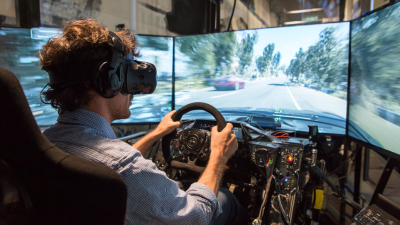
Lately, there's been a huge spike in people craving more immersive experiences, especially when it comes to entertainment. One of the coolest trends right now is the rise of VR simulated driving in China. Companies like VRDrive and SimuCar are really leading the charge here. They let folks jump into virtual rides in all kinds of vehicles—whether it’s a sleek sports car or a rugged truck. It’s pretty exciting stuff.

What’s really awesome about VR driving is how it can take you anywhere—imagine cruising the lively streets of Shanghai or exploring the peaceful countryside of Yunnan, all from your living room. The tech is pretty impressive, mimicking sounds and movements to make it feel real. But, to be honest, some people might find that these simulations don’t quite capture the unpredictability of real driving—like, you can't really feel those tiny bumps or sudden surprises.

And yeah, while these experiences are super fun, they do have their quirks. The gear can feel a bit bulky, and a few folks might get motion sickness after a while. Still, the more feedback they get and the more they tweak the tech, the better it’s going to get. All in all, this VR driving tech is pretty exciting and definitely one of the most engaging virtual entertainment trends in China right now.

Explore the Best Vr Simulated Driving Experience in China?

Overview of VR Driving Simulation in China

Virtual reality (VR) has transformed the driving simulation landscape in China. Many venues now offer immersive experiences for enthusiasts and learners. These simulations allow users to handle realistic driving scenarios in a controlled environment. The visual fidelity and responsive controls provide an exciting yet safe experience.

Participants can navigate through various terrains, from busy city streets to scenic mountain roads. Some simulations include challenges like adverse weather conditions. This realism enhances the educational aspect, helping new drivers develop essential skills. However, not all experiences are without flaws. Some users report lagging graphics that can disrupt immersion. Others note that the sensation of speed may not always match reality, leading to a disconnect.

The technology continues to advance, with developers working on improving the overall experience. This growth offers great potential but also challenges. As VR driving simulations become more popular, maintaining quality and realism is crucial. Engaging with various platforms can reveal insights into what works and what doesn’t. Overall, the future of VR driving simulation in China is bright yet requires ongoing refinement.

Top VR Driving Simulators Available in the Chinese Market

Virtual reality (VR) driving simulators have gained popularity in China, offering unique and immersive experiences. With advanced technology, users can feel as though they are behind the wheel of a real car. These simulators cater to various audiences, from casual gamers to serious driving enthusiasts. They feature realistic graphics and physics, creating an authentic driving environment that is hard to match.

When exploring these VR driving experiences, pay attention to the software features. Look for simulators that offer a variety of vehicles and road conditions. Realism is crucial; having accurate controls can make a significant difference. Users often mention how they appreciate feedback from the simulator's response, which closely mimics real-life driving.

Tips: Always start with a basic setup. Familiarize yourself with the controls before diving deeper. Practice in less complex scenarios first. Additionally, consider your physical space. Ensure there is enough room to move freely while you engage with the VR headset. This can enhance your drive and minimize accidental accidents in the virtual setting.

Explore the Best VR Simulated Driving Experience in China

The chart above illustrates the rating of various aspects of the top VR driving simulators available in the Chinese market. Each dimension reflects the quality and user experience, with scores out of 10. This provides insight into the best features that attract users to these immersive driving experiences.

Technology Behind VR Driving Simulators: A Detailed Look

Explore the Best Vr Simulated Driving Experience in China?

Virtual reality (VR) driving simulators are transforming how people experience driving in China. These systems offer immersive environments, realistic controls, and high-fidelity graphics. Users wear VR headsets that place them in lifelike scenarios. They can experience various driving conditions, from serene countryside roads to bustling city traffic.

The technology behind these simulators relies heavily on advanced algorithms and physics engines. Motion tracking ensures that the driver’s movements are mirrored accurately. This creates a highly interactive experience. Haptic feedback technology adds to the realism by simulating road textures and vehicle responses. However, achieving perfect realism is still a work in progress. Some users report lag and minor discrepancies between actions and reactions.

Training programs also utilize these simulators for their efficiency. They allow new drivers to practice without risks. However, not everyone finds them effective. Some individuals argue that the experience is too different from real-life driving. Balancing realism and safety remains a challenge in developing better VR driving experiences.

Popular Locations to Experience VR Driving in China

Virtual reality (VR) has transformed the landscape of driving experiences in China. A few hotspots stand out for offering immersive VR driving. One notable place is Beijing, where VR parks have become highly popular. Here, users can feel the thrill of racing through the streets, all while seated in a realistic cockpit. The environment is designed to replicate real-life driving conditions, including weather changes and traffic scenarios.


Moving to Shanghai, you can find a different approach to VR driving. In this bustling city, some venues offer simulation of famous racetracks. Participants can race against friends or other players. The adrenaline rush is heightened by the competitive atmosphere. Each experience is unique, as many setups allow customization of vehicles and challenges.


However, the technology still has room for improvement. Some sessions may experience lag, detracting from the immersion. Feedback indicates that more diverse driving experiences could enhance engagement. Overall, exploring these locations provides excitement and a glimpse into future advancements in VR driving technology.

User Experience: What to Expect from VR Driving Simulations

Virtual reality (VR) driving simulations in China are gaining traction. Users can fully immerse themselves in realistic driving scenarios. A report by the China VR Industry Alliance highlighted that VR adoption in various sectors is expected to grow by 30% annually. Such growth reflects the increasing interest in realistic experiences among consumers.

Expectations for VR driving experiences include realistic vehicle handling and dynamic environments. Users may find themselves navigating busy streets or maneuvering through challenging terrains. However, some challenges persist. Motion sickness is common among VR users. A study by the University of Utah found that 40% of VR users experience discomfort.

Engagement levels vary among users. Some feel exhilarated, while others might feel detached from the virtual world. Developers are working to enhance the user experience. Collecting feedback is crucial. It helps in addressing design flaws. Continuous improvement will shape the future of VR driving experiences in China.

Explore the Best VR Simulated Driving Experience in China

Simulation Type User Satisfaction Rating (1-5) Realism Level (1-5) Average Session Duration (minutes) Top Features
Basic City Driving 4.2 3.8 30 Interactive Traffic, Scenic Views
Off-Road Adventure 4.5 4.2 45 Terrain Challenges, Realistic Physics
Racing Simulation 4.8 4.7 25 High Speed, Competitive AI
Driver Training 4.3 4.0 60 Safe Environment, Feedback System
Scenic Tours 4.6 4.3 50 Cultural Landmarks, Audio Guides

Comparative Analysis: VR Driving vs. Real Driving Experience

In the realm of driving experiences, a comparative analysis between VR driving and real-world driving reveals striking differences. VR simulations provide an immersive environment, allowing users to interact with lifelike scenarios. The visuals can be stunning, and the response is often immediate. However, the lack of true physical feedback can lead to a disconnection from the real driving experience.

Real driving involves sensory elements that VR cannot replicate. The feel of the steering wheel, the vibration of the engine, and the impacts of road conditions provide real-time feedback. These sensations enrich the driving experience, fostering a deeper connection and understanding of vehicle dynamics. In contrast, VR can sometimes oversimplify complex driving maneuvers. Users might find themselves unable to react as quickly or instinctively when they transition to actual driving.

Moreover, while VR technology grows more sophisticated, it still has limitations. Users may experience disorientation, and the lack of external distractions can make scenarios less realistic. It’s essential to recognize these gaps while enjoying the benefits of simulated driving. Virtual reality can serve as an educational tool but should not replace practical experience. Balancing both can help individuals become more effective and safe drivers.

Future Trends in VR Driving Simulations in China

Explore the Best Vr Simulated Driving Experience in China?

The future of VR driving simulations in China holds exciting prospects. As technology rapidly evolves, the realism of these environments improves significantly. Users can expect stunning graphics and accurate physics, enhancing immersion. However, today’s simulations often fall short in replicating real-life tactile feedback. While visuals wow users, the lack of responsive steering and braking can be distracting.

Additionally, with advancements in AI and machine learning, simulations can adapt to users’ skill levels. This personalization can create tailored experiences that grow with the driver. Nevertheless, the integration of AI raises concerns about safety and dependence on technology. Users should remain aware of the balance between convenience and the need for practical driving skills.

The market for VR driving experiences is expanding, especially in urban areas. Smart city initiatives are encouraging developers to innovate. Yet, transitioning from a thrilling virtual ride to a reliable training tool presents challenges. Many simulations need to focus more on real-world scenarios, including varying traffic conditions. As the industry matures, incorporating user feedback will be essential for creating meaningful experiences.

Immersive VR Shooting Free Roam Experience: Unleashing Your Inner Marksman in a Virtual World

Step into a world where fantasy meets reality with an immersive virtual reality shooting experience that brings out your inner marksman. In an age where traditional gaming falls short of delivering authentic engagement, imagine a free-roam environment where you not only control the action but also interact with your surroundings. This revolutionary approach allows players to navigate through meticulously crafted spaces, opening doors, and connecting with elements that heighten the sense of presence and immersion.

The mission-driven gameplay offers a thrilling narrative that unfolds as you progress, requiring both strategy and skill to overcome challenges. With each step you take, the line between the virtual and real blurs, pulling you deeper into an adrenaline-pumping adventure. Enhanced by full-sensory effects, every sound and visual cue amplifies your experience, ensuring that every moment feels significant and impactful. Unleash your potential in a captivating world where your choices dictate the outcome of your mission, and the only limit is your imagination.

FAQS

: What are VR driving simulators?

: VR driving simulators are immersive systems that mimic real driving experiences using virtual reality technology.

How do these simulators work?

They utilize advanced algorithms and physics to create realistic environments and controls for users.

What do users experience while using these simulators?

Users can drive in lifelike scenarios, like countryside roads or busy city streets, wearing VR headsets.

Are VR driving simulators effective for training?

They offer a safe practice environment, but some argue the experience differs greatly from actual driving.

What are the current limitations of these simulations?

Many simulations lack the tactile feedback that real life provides, which can be distracting during use.

How is AI integrated into VR driving simulators?

AI can personalize experiences by adapting to users' skill levels, enhancing the learning process.

What challenges does the industry face?

Balancing realism and safety in training tools presents challenges, especially in varying traffic conditions.

Will VR driving simulations improve over time?

Yes, advancements in technology promise more realistic graphics and physics, but perfection is still being developed.

What concerns come with AI in driving simulations?

There are worries about over-reliance on technology, which may reduce practical driving skills.

How does user feedback influence the future of these simulations?

Incorporating user feedback is essential for improving experiences and ensuring simulations meet real-world needs.

Conclusion

The article provides a comprehensive overview of the VR simulated driving experience in China, highlighting its growing popularity and technological advancements. It explores various top VR driving simulators available in the Chinese market, revealing the intricate technology that powers these immersive experiences.

Readers can discover popular locations across the country where they can engage with VR driving simulations, providing insights into what users can expect during these experiences. The article also offers a comparative analysis between VR driving and real driving, showcasing the unique benefits of each. Lastly, it discusses future trends in VR driving simulations, emphasizing the potential for continued growth and innovation in this exciting field. This summary encapsulates the key aspects of VR simulated driving experiences and their impact on the recreational landscape in China.

Blog Tags:

Amelia

Amelia

Amelia is a dynamic marketing professional at VART VR, one of the pioneers in VR simulator manufacturing based in Guangzhou. With a deep understanding of the virtual reality industry and a passion for innovation, Amelia plays a pivotal role in promoting the company's cutting-edge products and......
Previous How to Choose the Best VR 360 Motion Chair for Your Needs?