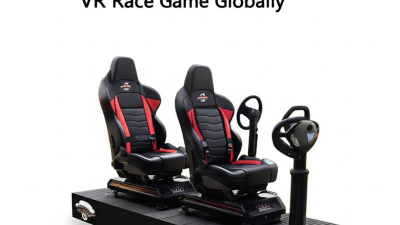
Getting into the world of Motion VR Simulators can really get your heart racing—it's pretty exciting stuff! Whether you're a buyer from somewhere around the globe or just an avid enthusiast trying to find the right setup, it’s super important to get a good grip on what’s out there. Honestly, the market is full of different experiences, but a heads up: not all simulators actually live up to the hype or meet your expectations.
When you're picking out a Motion VR Simulator, having some knowledge under your belt definitely helps. Dig around for reviews from trustworthy sources — they can save you a lot of trouble. Big names like Virtuix and Oculus have definitely made a splash, but remember, not every product they put out is perfect. I've seen plenty of users complain about performance issues or inconsistencies.
So, it’s all about making smart choices. Take your time to find a simulator that matches what you’re looking for. And don’t forget to check out what other people are saying — real user feedback is gold. It can point you in the right direction and help you avoid the duds. Just keep in mind, everyone’s experience can be a little different, so stay cautious and do your homework before pulling the trigger.
Motion VR simulators offer a unique way to enhance your gaming or training experience. They provide immersive environments through advanced technology. When shopping for a simulator, consider key features to ensure the best experience possible.
One important feature is the level of motion fidelity. This defines how accurately the simulator replicates real-world movements. Check if the system supports various motion ranges. Some users find the lack of multi-directional motion disappointing. A good simulator should adapt to various gaming genres.
Another crucial aspect is compatibility. Ensure the simulator works well with your existing gaming setup. Poor compatibility can lead to frustration. It’s helpful to read user reviews about integration experiences. Find out what others have noted. They may highlight critical flaws that aren’t immediately apparent.
Tips for buyers include testing the simulator before purchase. If possible, experience the machine firsthand. User comfort is also essential. Look for adjustable components to suit your needs. Remember, the best simulator should feel right for you. With careful consideration of these features, you can choose a motion VR simulator that enhances your experience.
When assessing compatibility for Motion VR simulators, it's vital to ensure your system meets specific criteria. Many users overlook details like system requirements and hardware specifications. Check your graphics card and processing power. A strong GPU enhances immersion. Without it, you may encounter lag or subpar performance.
Tips for checking compatibility include ensuring your operating system is up to date. This can prevent software conflicts. Research the necessary drivers for your hardware. Some systems may require specific updates for optimal performance. Keep an eye on memory requirements as well; Motion VR experiences can be demanding.
Consider your physical space. A suitable area allows for free movement. Clutter can hinder your experience. Remember, VR motion can be disorienting. Make adjustments to your setup to enhance comfort without risking safety. This can also involve evaluating tracking systems, as poor tracking leads to frustration. Be mindful of your surroundings when configuring your VR space.
When considering a motion VR simulator, setting a budget is crucial. A clear budget helps you narrow down options. Assess your financial capacity first. Understand that prices vary significantly based on features and technology. For instance, a basic simulator might start as low as a few hundred dollars. On the other hand, advanced models with immersive features can soar to thousands.
One tip is to research the market. Look at various models and their price ranges. This activity can provide insight into what is reasonable. Another helpful approach is to account for additional costs. Beyond the initial purchase, consider expenses like accessories and maintenance.
Remember, choose what meets your needs. Reflect on how much you plan to use it. Investing in a high-end model for occasional use might not be wise. Aim for balance between quality and your budget. Don’t be swayed by flashy features that you might not use.
When searching for the best VR simulators, user reviews play a crucial role. These reviews provide insights from real users on their experiences. They highlight specific features, ease of use, and overall satisfaction. You'll want to pay attention to comments that mention the installation process. Many users find this step challenging. A simulator might have great potential but could frustrate if setup is complex.
Look for reviews that discuss customer service. Reliable support can make a big difference. Some users report long wait times for help. This aspect might not show up in product specifications but is essential for a smooth experience. Not all reviews are positive. Some users express disappointment over performance issues. Checking the common grievances can help you identify potential red flags.
Consider both the star ratings and the depth of each review. High ratings can be misleading if not backed by detailed feedback. Users often share helpful tips for improvement. These insights can give you a clearer picture of what to expect. Balancing positive and negative comments allows for a well-rounded evaluation. Engaging with the community can also provide valuable perspectives.
| Simulator Model | User Rating | Features | Price Range | Notable User Feedback |
|---|---|---|---|---|
| Model A | 4.8/5 | High Fidelity, Wireless Connectivity, Immersive Experience | $400 - $600 | "Best experience for racing games!" |
| Model B | 4.5/5 | Multi-Directional Motion, Compact Design | $300 - $500 | "Great for limited space!" |
| Model C | 4.2/5 | Enhanced Motion Feedback, Adjustable Settings | $350 - $550 | "Nice balance of features and price." |
| Model D | 4.0/5 | 360-Degree Rotation, Quick Setup | $250 - $450 | "User-friendly for beginners!" |
When exploring the motion VR simulator market, understanding the landscape of leading manufacturers is essential. Recent industry reports highlight significant variations in quality and features across brands. For instance, users often express that the build quality of certain simulators can vary dramatically, impacting both the durability and performance. A study from the International VR Association indicates that 45% of buyers prioritize realistic motion feedback as a key factor in their decision-making process.
Evaluating brands based on user feedback can reveal critical insights. Some manufacturers regularly receive praise for their robust customer support. Meanwhile, others struggle with responsiveness, creating frustration during the ownership experience. Moreover, a report from VR Insights notes that 30% of VR users encountered issues with software compatibility. This highlights the importance of choosing a brand that prioritizes updates and user experience.
Price points also reveal discrepancies among manufacturers. A comparative analysis showed that higher-priced options do not always guarantee superior performance. Many budget-friendly options deliver impressive functionality and user satisfaction. It's essential to scrutinize reviews and conduct thorough research before investing. This approach ensures that the simulator meets individual needs and preferences while avoiding potential disappointments in the long run.
When selecting a VR simulator, identifying your specific needs is crucial. Different use cases require different features. For gaming, high responsiveness and immersive environments matter. In contrast, educational applications may prioritize user-friendly interfaces and interactive content. Understanding these distinctions can enhance your overall experience.
Consider who will use the simulator. For example, children may need simplicity and safety features. Adults might seek realistic simulations for training purposes. Each demographic has unique preferences and requirements. Doing research on their needs can lead you to a more suitable choice.
Expect some challenges during the selection process. Not every simulator will meet all your expectations. It’s essential to weigh both advantages and limitations of options. Feedback from existing users can offer valuable insights. Seek opinions from various sources for a balanced view. This approach can guide you towards a quality decision that aligns with your specific use case.
Maintaining your virtual reality (VR) equipment is crucial for prolonged enjoyment. Regular maintenance can enhance performance and extend the lifespan of your simulator. Dust accumulation can lead to overheating. Ensure that vents are clean and components are free from obstructions. Use microfiber cloths for screens and sensors to keep them clear.
For support, having a clear service plan can make a difference. Standardize your maintenance schedule. Frequent checks can identify minor issues before they escalate. It's essential to document any repairs or software updates. This habit promotes accountability and facilitates smoother troubleshooting in the future.
When considering tips for VR equipment upkeep, emphasize the importance of user manuals. They contain vital information on proper setup and maintenance. Be open about the common problems that may arise. Issues like calibration errors can often be resolved with simple adjustments. Understanding these nuances can save time and improve the overall experience.
: Motion fidelity measures how accurately a simulator mimics real-world movements. It’s vital for immersion.
Check user reviews for integration experiences. This can reveal any compatibility issues.
Experiencing the machine first-hand can prevent future discomfort and dissatisfaction.
Assess your financial capacity and what features matter most to you. Prices vary significantly.
Think about accessories and maintenance. These expenses can add up over time.
No, it may not be practical. Balance quality with how often you'll use the simulator.
No, build quality and performance vary widely. Research user feedback carefully.
Not always. Some budget models may offer impressive features without a high price tag.
It enhances the immersive experience, making the simulation feel more genuine.
Choose brands that prioritize software updates and customer support for better resolution.
When searching for the best Motion VR Simulator, potential buyers should consider several essential factors. Understanding the key features of motion VR simulators is crucial, as it directly impacts the immersive experience they provide. Additionally, compatibility with existing systems must be assessed to ensure seamless operation. Setting an appropriate budget is important, as prices can vary widely based on capabilities and features.
Evaluating user reviews offers insights into the performance and reliability of various models, helping buyers identify the top-rated options. Moreover, exploring different brands through a comparative analysis can aid in selecting the right manufacturer. Identifying specific use cases—whether for gaming, training, or other applications—ensures that the chosen Motion VR Simulator meets individual needs. Finally, considering maintenance and support options can enhance the longevity of the VR equipment, ensuring a satisfying user experience over time.