0%

You know, immersive tech has really turned things upside down across so many industries. And among all those innovations, the 9D VR Racing Simulator is definitely a standout. It’s this pretty cool gadget that mixes adrenaline-pumping racing with the latest in virtual reality. A lot of businesses are now thinking about how they can use it to better engage with their customers.

Honestly, investing in a 9D VR Racing Simulator feels like a rare opportunity. It draws in all sorts of people — from hardcore gamers to folks just looking for a fun time. Many places that have brought it in have seen more foot traffic, which is pretty awesome. That said, it’s not all smooth sailing right away; some businesses might find the upfront costs or tech stuff a bit intimidating at first.

Taking a closer look at what the 9D VR Racing Simulator can do really shows its true potential. It could seriously boost entertainment spots, arcades, or even corporate events. But, you’ve gotta be careful and plan well — knowing who your audience is and whether there’s demand around you can make all the difference. It might be a bit of a climb, sure — but if you get it right, the payoff could seriously change the game for your business.

Explore the Benefits of 9D VR Racing Simulator for Your Business?

Understanding 9D VR Racing Simulator Technology and Features

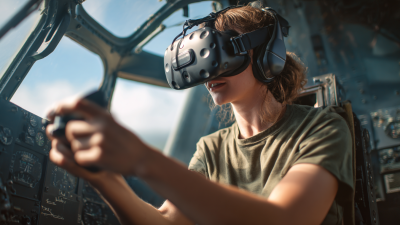
The 9D VR racing simulator merges advanced technology with immersive experiences. This platform allows users to feel the thrill of racing without leaving their seats. The setup includes a motion platform that responds to in-game action, simulating real car movements. Users wear VR headsets for a fully immersive visual experience. This combination makes racing feel genuine.

The technology behind 9D VR racing simulators is fascinating. It integrates 3D graphics, realistic sound, and haptic feedback. Users can experience the rush of speed and the sensation of tight turns. Challenges may arise with equipment calibration and user familiarity. Ensuring that every aspect works smoothly can be a complex task. Despite these challenges, many operators report high levels of customer engagement.

These simulators can draw in crowds. Racing enthusiasts and casual gamers alike find them appealing. Businesses can benefit significantly from high customer retention. Potential limitations could arise from maintenance needs and technology updates. Regular assessments are crucial to keep the experience fresh and captivating.

Key Advantages of Implementing VR Racing Simulators in Business

The integration of 9D VR racing simulators can transform various businesses. These simulators provide an immersive experience, allowing users to feel the adrenaline rush of racing without real-world risks. This appeals to diverse audiences, from gaming enthusiasts to corporate team-building events. Businesses can create engaging events that attract foot traffic and enhance customer loyalty.

Implementing VR racing simulators fosters a unique environment for employee training. Utilizing simulation technology, companies can improve reaction times and critical thinking skills. Experienced trainers can utilize VR to create real-world scenarios for their teams. However, not all employees may adapt swiftly to this technology. Some may find it overwhelming, highlighting the need for gradual training and proper support.

While the potential is vast, challenges exist. Businesses must consider the initial investment and maintenance costs. Additionally, continuous content updates are essential to keep the experience fresh. Businesses must reflect on their target market. Are they ready for such innovations? Tailoring experiences to customer preferences helps ensure success. The flexibility of VR technology holds promise, but it demands thoughtful implementation. Exploring these elements can lead to richer customer interactions and enhanced employee engagement.

Enhancing Customer Engagement through Immersive Experiences

Incorporating a 9D VR racing simulator into your business can significantly enhance customer engagement. This immersive technology creates a thrilling environment, allowing customers to experience high-speed racing without any risk. Users feel the genuine thrill of racing, as the simulator combines realistic visuals, motion, and sound. Engaging in such an interactive experience can captivate a wide audience, increasing foot traffic to your venue.

Customers often seek experiences that are memorable. A 9D VR racing simulator creates not just a game but a unique adventure. It can invoke strong emotions, making visits more meaningful. However, some may find the technology overwhelming. It's not just about the thrill; careful calibration and user guidance are essential. Addressing these challenges can transform the engagement into a more satisfying experience.

While the potential benefits are significant, it's essential to consider the investment. Not every business may afford such advanced technology. Regular maintenance and updates are required to keep the experience fresh. Ultimately, businesses must weigh these factors. Immersive technology must align with overall marketing strategies to ensure it enhances the customer journey effectively.

Explore the Benefits of 9D VR Racing Simulator for Your Business

Benefit Description Potential Impact Target Audience
Enhanced Customer Engagement Immersive VR experiences captivate audiences, leading to longer interactions. Increased foot traffic and dwell time. Racing enthusiasts, gamers, families.
Unique Selling Point 9D VR racing simulators offer a distinctive attraction that competitors might not have. Higher customer retention and brand loyalty. Adventurers, technology seekers.
Increase Revenue Streams Offering VR simulators as an entertainment option can diversify business offerings. New ticket sales and upselling opportunities. Event organizers, corporate clients.
Data Collection Collect user data and feedback to refine marketing strategies. Better understanding of customer preferences. Marketers, product developers.
Social Media Buzz Unique VR experiences encourage customers to share their experiences online. Enhanced online presence and marketing reach. Social media users, influencers.

Training and Development Benefits of 9D VR Racing Simulators

The training and development sector is rapidly evolving with the introduction of immersive technologies. 9D VR racing simulators are becoming essential tools for enhancing skills and experience. These simulators provide real-world scenarios in a controlled environment, allowing trainees to make mistakes and learn from them without risk.


Studies show that experiential learning increases retention rates by up to 75%. This is significantly higher than traditional learning methods. For instance, a report by the Association for Talent Development highlights that interactive training methods can enhance productivity by approximately 70%. By engaging employees in VR simulations, businesses can foster better decision-making skills and situational awareness.


Moreover, trainees receive instant feedback within these virtual environments. This feature is crucial for refining skills and identifying areas for improvement. However, not all participants may engage fully with the technology, leading to uneven learning experiences. Striking a balance between technology use and personal interaction remains a challenge for many organizations. Embracing 9D VR racing simulators can drive innovation, but continuous evaluation of their effectiveness is vital for maximizing potential.

Cost-Benefit Analysis: Investing in VR Racing for Business Growth

Explore the Benefits of 9D VR Racing Simulator for Your Business?

Investing in a 9D VR racing simulator can be a game changer for businesses aiming to enhance customer engagement. This cutting-edge technology immerses users in dynamic racing experiences. Companies can attract more visitors and increase sales significantly by offering this thrilling attraction.

Cost-benefit analysis reveals compelling advantages. Initially, there may be substantial costs associated with purchasing and setting up VR simulators. However, the potential return on investment is noteworthy. Enhanced customer interaction leads to longer visit durations and encourages repeat business. Additional income streams can be generated through advertising and sponsorship opportunities.

Tips: Always assess the local market. Understand the demographics and interests of your target audience. Consider partnerships with event organizers to boost visibility. Remember, while VR offers excitement, not every implementation will yield success. Test the waters with a pilot program to gauge interest before full-scale investment.

Case Studies: Successful Business Implementations of VR Racing

In recent years, 9D VR racing simulators have proven valuable for businesses across various sectors. A report from Statista indicates that the virtual reality market is expected to reach $44.7 billion by 2024. This growth reflects a surge in interest for immersive experiences, such as VR racing. Many companies have successfully integrated VR racing into their marketing strategies. For instance, a company saw a 30% increase in customer engagement after implementing a VR racing experience at their events.

However, not every implementation has been flawless. Some businesses struggle with equipment maintenance and inadequate space setups. A study from Deloitte revealed that 40% of businesses encountered challenges with user experience in VR environments. This points to the need for meticulous planning and testing before launching VR initiatives.

Tip: Regularly update your VR content and hardware. This ensures that you keep users captivated and engaged. Focus on interactive elements that encourage participation. Understanding your audience’s preferences can lead to more tailored experiences, enhancing the effectiveness of your VR setup.

Future Trends and Innovations in 9D VR Racing Technology

The realm of 9D VR racing technology is expanding rapidly. Businesses can now leverage its immersive experiences to attract customers. Enhanced graphics and realistic simulations draw users into exciting environments. This trend emphasizes innovation in user engagement. Creating adrenaline-pumping experiences can provide a competitive edge.

Tips: Focus on user comfort. Ensure the VR setup is easy to navigate. User fatigue can detract from enjoyment. Emphasizing immersive sound effects enhances realism. A well-calibrated environment can make racing feel lifelike.

New applications in 9D VR are emerging. Potential includes training and education. Racing simulations can be used for driver safety courses and team-building exercises. The adaptability of this technology can lead to various applications across industries. Some businesses may struggle with setup costs or technical expertise. Finding the right partners can alleviate these challenges.

Tips: Consider starting small. Pilot projects can provide valuable insights. Adjustments can be made based on user feedback. Keeping systems updated ensures they remain relevant as technology evolves.

Explore the Benefits of 9D VR Racing Simulator for Your Business

Enhancing User Experience in Gaming: Insights from Industry Reports on Virtual Reality Racing Ride and VR Motorcycle Simulators

As the gaming industry continues to evolve, the integration of virtual reality (VR) technology presents an exciting frontier for enhancing user experiences, particularly in the realm of racing simulations. Recent industry reports indicate that the VR market is projected to grow significantly, with a substantial rise in demand for immersive gaming experiences that captivate users and provide a multi-sensory racing adventure. The intersection of VR technology and racing simulations allows gamers to engage in thrilling virtual environments, delivering unparalleled excitement and realism.

One notable product that embodies this trend is an advanced 9D VR racing machine, designed specifically for motorcycle simulations. With a stylish and sleek design, this simulator offers a robust lineup of 12 unique VR games that cater to different racing preferences. The machine features impressive motion capabilities, allowing the user to experience 20 centimeters of forward and backward movement, as well as lateral shifts. This dynamic movement not only replicates the sensation of real-life racing but also enhances emotional engagement, which is crucial for user retention and satisfaction.

Data suggests that users are increasingly drawn to these exhilarating experiences, as the demand for interactive and immersive entertainment continues to rise. Reports highlight that VR racing rides not only increase user engagement levels but also extend the duration of gameplay, offering a more vibrant environment for social interactions among players. With advancements like the 9D VR motorcycle simulator, the gaming community is witnessing a revolution where the thrill of motorsport is not just observed but vividly felt, bringing the joy of racing to life in unprecedented ways.

FAQS

: What is a 9D VR racing simulator?

: It's an immersive experience that allows users to feel realistic racing without real risks.

How does this technology enhance customer engagement?

It creates thrilling experiences, attracting a wider audience and increasing foot traffic.

Are there any challenges with using a 9D VR racing simulator?

Some users may feel overwhelmed. Proper calibration and guidance are essential for a good experience.

What investment considerations should businesses keep in mind?

Advanced technology requires substantial investment, including maintenance and updates for freshness.

How does VR training improve skills?

It provides real-world scenarios safely, boosting retention rates and decision-making skills significantly.

Do participants always engage fully with VR technology?

Not always. Some may find it challenging, leading to uneven learning experiences.

What factors contribute to successful VR implementations?

Proper planning, testing, and understanding audience preferences are crucial for success.

Why is regular content updating important?

It keeps users captivated, ensuring ongoing engagement in the VR experience.

How can businesses gauge the effectiveness of VR training?

Continuous evaluation and feedback are vital for maximizing the potential of immersive tools.

What common issues do businesses face with VR racing setups?

Equipment maintenance and inadequate space can hinder user experience and engagement.

Conclusion

The article explores the transformative potential of the 9D VR Racing Simulator for businesses, highlighting its cutting-edge technology and immersive features. By implementing this simulator, companies can significantly enhance customer engagement, offering unique experiences that capture attention and foster loyalty. Additionally, the 9D VR Racing Simulator serves as a powerful tool for training and development, enabling employees to learn and practice in a safe, virtual environment.

A cost-benefit analysis suggests that investing in a 9D VR Racing Simulator can lead to substantial business growth, as demonstrated by various case studies showcasing successful implementations across different industries. Furthermore, the article discusses future trends and innovations in 9D VR racing technology, indicating a promising trajectory for businesses willing to embrace this next-level experience to stay competitive and relevant in the market.

Blog Tags:

Charlotte

Charlotte

Charlotte is a skilled marketing professional at VART VR, one of China's pioneering VR simulator manufacturers located in Guangzhou. With a firm grasp of the latest advancements in virtual reality technology, Charlotte excels in articulating the unique features and benefits of the company’s......
Previous How to Choose the Best VR Cinema Solution for Your Business?
Next 2026 How to Choose the Best 9D VR Driving Simulator?