0%

The evolution of virtual reality has transformed the way we experience driving simulators. Among these advancements, the "9D VR Driving Simulator" stands out. According to a recent report by ResearchAndMarkets, the global virtual reality market is expected to grow by over 32% annually from 2021 to 2026. This growth is largely driven by innovations like 9D VR, offering immersive experiences unparalleled by traditional simulators.

These simulators engage users through multiple sensory stimuli. Alongside visual and auditory feedback, they incorporate physical sensations, heightening realism. Users can feel the tremors of the road, the acceleration of speed, and even the impact of turns. However, the technology is not without limitations. Some users report initial discomfort and require time to adapt. Discrepancies in simulator accuracy can lead to unrealistic expectations for real-world driving scenarios.

9D VR Driving Simulators also show potential in training programs. They offer a safe space for new drivers and reduce costs for driving schools. Yet, effective integration into educational curriculums remains a challenge. Despite this, the benefits of a 9D VR Driving Simulator are evident, suggesting a promising future within the industry.

The Ultimate Guide to 9D VR Driving Simulator Experience and Benefits

The Evolution of VR Technology in Driving Simulators

The evolution of VR technology has transformed driving simulators. Initially, simulators were basic and lacked realism. They mainly featured simple graphics and limited interaction. As technology improved, graphics became more detailed. Now, 9D VR offers immersive experiences.

In 9D VR driving simulators, users feel like they are actually behind the wheel. This technology combines motion platforms, surround sound, and visual effects. The sensation of speed and the environment enhances realism. However, there's a caveat; some users may experience motion sickness. It’s essential to take breaks during sessions.

Here are some tips for a better VR experience. First, ensure your space is clear of obstacles. This safety measure prevents accidents. Secondly, hydrate yourself. Staying hydrated can help reduce discomfort. Lastly, listen to your body; if you feel dizzy, pause immediately. Embracing VR is exciting, but awareness of your limits is crucial.

Understanding the Concept of 9D VR Driving Experiences

9D VR driving experiences offer a unique blend of immersion and realism. This technology combines virtual reality with physical sensations, creating a multisensory adventure. Users can feel every bump, turn, and acceleration as they drive. It simulates real-world driving in a safe environment.

Participants wear VR headsets and sit in a motion platform. This platform responds to their movements, adding to the thrill. The visuals are stunning, mimicking real-life scenarios. However, some might find the experience overwhelming. It can be disorienting at times. There is a fine line between excitement and discomfort.

This advanced simulation also raises questions about its effect. Are users truly prepared for real driving? Or does it create false confidence? Dissecting these experiences can lead to better understanding. The 9D VR driving experience is mesmerizing, yet it warrants thoughtful reflection on its long-term impact.

Key Components of 9D VR Driving Simulators

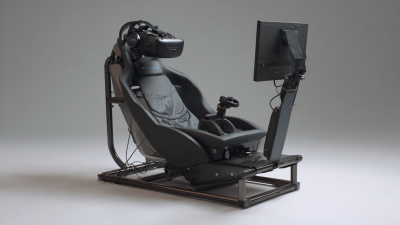
The 9D VR driving simulator blends virtual reality with physical sensations. This technology creates an immersive experience. Users feel the thrill of driving without leaving the seat.

Key components make this possible. The VR headset offers stunning visuals. It transports you to different locations. Motion platforms add another layer. They mimic the movement of the vehicle. You can feel acceleration and turns. Haptic feedback systems enhance this experience further. They simulate vibrations you would feel in a real car.

However, the experience isn’t without flaws. Some users report motion sickness due to intense simulations. Others find the controls challenging at first. There might be a learning curve. Not everyone adapts quickly to the VR environment. But the excitement it brings often overcomes these initial hurdles.

Statistics on User Engagement and Satisfaction in VR Driving

User engagement in VR driving simulators is on the rise. Recent studies show many users are drawn to the immersive experience. They find themselves feeling like they are truly behind the wheel. Statistics indicate a high level of satisfaction. Users appreciate the realistic feedback and visuals. They enjoy the ability to drive in different environments and conditions.

However, not everything is perfect. Some users report feeling disoriented after long sessions. Motion sickness can be an issue for a portion of participants. Additionally, the initial learning curve can be steep. It takes time to get used to the controls and haptic feedback. Despite these challenges, many return for more. The thrill of navigating winding roads or racing against others is addictive.

Engagement data shows that social features increase overall satisfaction. Players who compete or cooperate with friends are often more engaged. They report a stronger emotional connection to the experience. Yet, some still question if it can truly replace real driving. Although VR offers unique insights, it cannot replicate every sensation. Users must reflect on what makes driving meaningful to them.

Educational Benefits of 9D VR Driving Simulations for Learners

The Ultimate Guide to 9D VR Driving Simulator Experience and Benefits

9D VR driving simulations are transforming how learners experience driving education. These immersive platforms offer a unique blend of virtual reality and real-world scenarios. According to a report by the International Association of Driving Schools, simulations can increase learner engagement by as much as 40%. This engagement is crucial in mastering driving skills.

The educational benefits of 9D VR simulations extend beyond engagement. Learners can practice in a safe environment without the risks present in real-world driving. A study by the National Highway Traffic Safety Administration pointed out that 87% of driving accidents involve inexperienced drivers. With VR, learners can tackle complex situations, like night driving or adverse weather, without real-life consequences.

However, reliance on virtual experiences can present challenges. Some learners may struggle with the transition to real-world driving. They might find the lack of physical sensations unsettling. VR cannot replicate every aspect of driving. It's essential for educators to address this gap. Integrating traditional driving lessons with VR can enhance the learning process significantly. Balancing both methods is crucial for developing competent drivers.

Comparison of 9D VR Driving Simulators vs. Traditional Methods

The rise of 9D VR driving simulators marks a significant shift from traditional driving methods. Unlike conventional driving lessons in cars, VR simulators provide an immersive environment. Users can experience realistic driving scenarios without the risks of the open road. The virtual controls mimic real-world vehicles, making the learning curve steep yet manageable.

Tips: Always focus on the details. Pay attention to braking distances or reaction times. These can be pivotal in mastering driving skills.

Traditional methods often rely on physical presence and manual practices. Learners may face distractions from other vehicles and road conditions. In contrast, 9D VR simulators present a controlled space. They eliminate external variables, allowing users to concentrate solely on honing their skills. Yet, this can create a false sense of security. The absence of real-world hazards might lead to complacency.

Tips: Take breaks during practice. This helps prevent fatigue and keeps you sharp. VR driving can be intense, and overstaying can diminish your focus.

While VR provides extensive benefits, it may miss out on certain nuances. The feel of the road, weather changes, or unpredictable drivers cannot be fully replicated. Reflecting on these aspects is crucial for balanced driving expertise.

The Ultimate Guide to 9D VR Driving Simulator Experience and Benefits

Future Trends in 9D VR Driving Simulation Technologies

The future of 9D VR driving simulation technologies shows immense potential. Developers are exploring advanced algorithms and artificial intelligence. These improvements can enhance realism and responsiveness. Real-world driving scenarios can be simulated with greater accuracy. Gamers and learners alike benefit from more immersive experiences.

Mixed reality is another trend on the horizon. By integrating VR with augmented reality, users can interact with real-world elements. This can help create a more engaging environment. Drivers may face unexpected challenges, like sudden obstacles. Such features test their skills in a dynamic way. However, producing these experiences can be costly and complex.

User feedback plays a crucial role in development. Simulations may not always mimic real-life behavior perfectly. Some users may find them too simplistic or frustrating. Continuous refinement will be necessary to meet expectations. Balancing realism and fun is a challenge that developers must address. As technology evolves, so will the driving simulation experience.

FAQS

: What is the main purpose of the product?

: It aims to improve daily efficiency. Many users find it helpful in organizing tasks.

How should I use the product effectively?

Follow the guidance provided. Regular practice helps develop better habits over time.

Are there any specific features to look for?

Focus on user-friendly designs. A clear interface can make the experience smoother.

Can this product aid in productivity?

Yes, many users report increased focus. However, results can vary from person to person.

What should I do if I encounter issues?

Consult customer support for assistance. Sometimes, troubleshooting common problems helps.

Is there a learning curve for new users?

Some users may find it challenging initially. Patience and practice usually lead to improvement.

Conclusion

The article "The Ultimate Guide to 9D VR Driving Simulator Experience and Benefits" explores the advancements in virtual reality technology and its application in driving simulations. It discusses the evolution of VR driving simulators, highlighting how the emergence of 9D VR has transformed the driver training experience by offering immersive and interactive simulations. Key components such as motion platforms, sensory feedback, and realistic graphics are examined, showcasing how they enhance user engagement and satisfaction.

Furthermore, the article underscores the educational advantages of 9D VR driving simulations for learners compared to traditional training methods, providing insights into statistics that reflect user satisfaction. As the landscape of VR technology continues to advance, the guide also looks ahead to future trends in 9D VR driving simulation technologies, suggesting a promising transformation in how driving education and experiences are approached. Overall, the 9D VR driving simulator represents a significant leap forward in driving training, combining entertainment with effective learning.

Blog Tags:

Charlotte

Charlotte

Charlotte is a skilled marketing professional at VART VR, one of China's pioneering VR simulator manufacturers located in Guangzhou. With a firm grasp of the latest advancements in virtual reality technology, Charlotte excels in articulating the unique features and benefits of the company’s......
Previous Exploring Real World Applications of the Best VR Play Park in Entertainment and Education Industries