0%

In recent years, the aviation training industry has witnessed a transformative shift with the integration of cutting-edge technologies. Among these advancements, the 360-Degree VR Flight Simulator stands out as a powerful tool that enhances pilot training and assessment. According to a report by the International Pilot Training Association, VR simulations have been shown to reduce training costs by up to 40% while increasing the retention of procedural knowledge by 70%. These impressive statistics underline the importance of adopting innovative training methods to prepare pilots for real-world challenges.

2025 Top 5 Benefits of Using a 360 Degree Vr Flight Simulator for Training

Experts in the field, such as Dr. Alan Thompson, a leading figure in flight simulation research at Aviatech Solutions, emphasizes the significance of immersive experiences in aviation training. He stated,

"The 360-Degree VR Flight Simulator not only allows trainees to experience a realistic flight environment but also enables them to practice emergency scenarios that are often hard to replicate in traditional training."
As aviation continues to evolve, leveraging technology like the 360-Degree VR Flight Simulator will be critical in shaping the future of flight training. This article will explore the top five benefits of utilizing this advanced simulation technology, demonstrating its potential to enhance the training landscape for aspiring pilots.

Enhanced Realism in Training Scenarios with 360 Degree VR Flight Simulators

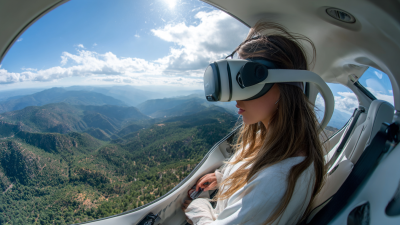
The integration of 360-degree virtual reality (VR) flight simulators into training programs has revolutionized the aviation industry by significantly enhancing realism in training scenarios. According to a report by the International Flight Training Association (IFTA), immersive training methods have been shown to improve retention rates by up to 75% compared to traditional training techniques. This elevated level of engagement allows students to experience flight scenarios and emergency procedures in a safe yet realistic environment, fostering better decision-making skills and quicker response times.

Additionally, VR technology can replicate a multitude of flight conditions and environments, facilitating a more comprehensive training experience. A study published in the Journal of Aviation Technology highlighted that trainees using VR simulators completed their training 20% faster than those relying on conventional methods. The ability to practice various weather conditions, system failures, and complex flight maneuvers helps pilots to build muscle memory and confidence, ultimately resulting in safer operations. The enhanced realism provided by 360-degree VR flight simulators is proving to be a game changer in the field of aviation training, pushing the boundaries of how pilots are prepared for real-world challenges.

Improved Situational Awareness and Decision-Making Skills Through Immersive Environments

The immersive nature of a 360-degree VR flight simulator significantly enhances situational awareness for trainees. Unlike traditional training methods, VR offers realistic scenarios that engage multiple senses, allowing pilots to experience and react to complex environments in real time. This heightened immersion helps pilots better understand their surroundings, making it easier to identify potential threats or changes in their operational context. By simulating various weather conditions, terrain features, and even emergency situations, trainees can develop a deeper situational awareness that is crucial for effective decision-making.

Furthermore, the decision-making skills gained through these immersive experiences are invaluable. In high-pressure situations, pilots must quickly assess options and execute appropriate responses. The 360-degree VR environment encourages trainees to make fast, informed decisions by placing them in situations where they must prioritize tasks and respond to dynamic challenges. This not only builds confidence but also prepares them for real-world scenarios where every second counts. Through repetitive practice in a safe yet realistic setting, trainees sharpen their instincts and become more adept at critical thinking, ultimately leading to improved flight safety and performance.

Benefits of Using a 360 Degree VR Flight Simulator for Training

Cost-Effective Pilot Training Solutions Offered by 360 Degree VR Technology

The advancement of 360-degree VR technology has revolutionized pilot training, offering significantly cost-effective solutions. With the rising expenses associated with traditional flight training, the integration of VR simulators allows for a controlled and flexible environment for aspiring pilots. By utilizing immersive simulations, trainees can experience various flight scenarios without the high costs of fuel and aircraft maintenance. This not only reduces the overall budget for training programs but also allows for more frequent practice sessions.

Guangzhou Longcheng Electronic Co., Ltd., through its VART VR brand, stands at the forefront of this innovative shift in aviation training. As one of the earliest VR simulator manufacturers in China, we provide comprehensive VR solutions designed to enhance the learning experience. With our expansive facility and dedicated team of over 60 professionals, we ensure that our simulators meet the highest standards of quality and realism. By leveraging our expertise, flight schools can offer state-of-the-art training that is both efficient and economical, ultimately helping to cultivate the next generation of skilled pilots.

Accelerated Learning Curve for Trainees Using Advanced Simulation Techniques

2025 Top 5 Benefits of Using a 360 Degree Vr Flight Simulator for Training

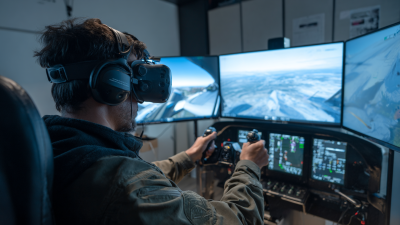
The use of a 360-degree VR flight simulator offers a transformative approach to training, particularly in accelerating the learning curve for trainees. Traditional training methods often involve lengthy classroom sessions and repetitive flight hours, which can hinder the overall learning experience. However, advanced simulation techniques immerse trainees in a realistic cockpit environment where they can practice their skills in a safe and controlled setting. This immersive experience allows them to make mistakes and learn from them without the high stakes typically associated with actual flight training.

Moreover, the 360-degree VR technology enhances cognitive retention by engaging multiple senses. Trainees can interact with the simulation in real-time, reinforcing their decision-making abilities and reaction times. The vivid graphics and realistic sound effects foster an engaging atmosphere, making complex procedures easier to grasp. This multi-faceted approach not only shortens the training duration but also prepares pilots to handle unforeseen circumstances more effectively, ultimately leading to safer flight operations and improved confidence in their abilities.

Flexible Training Schedules and Customized Programs in Virtual Flight Training

The use of 360-degree VR flight simulators in aviation training has significantly transformed how pilots acquire their skills. One of the standout benefits of this technology is its flexibility in training schedules and the ability to customize programs to fit individual needs. Traditional flight training often requires adherence to strict schedules, which can lead to challenges in accessibility and availability for trainees. However, VR simulators can be accessed at any time, enabling aspiring pilots to practice whenever it suits their personal and professional commitments. According to a report by the International Civil Aviation Organization (ICAO), 74% of flight schools have noted increased student satisfaction due to the adaptability of training programs offered through VR technology.

Furthermore, customized training programs using 360-degree VR simulators allow instructors to tailor the learning experience based on the pilot's current skill level and specific flight scenarios they may encounter. This personalized approach can address individual weaknesses more effectively than standardized training methods. A study published by the National Aeronautics and Space Administration (NASA) found that trainees who utilized customizable VR simulations demonstrated a 30% improvement in retention of flight procedures compared to those trained with conventional methods. This adaptability not only enhances learning outcomes but also significantly reduces the time required to achieve proficiency in various flying conditions, ultimately leading to better-prepared pilots in the field.

Effective Risk Management and Safety Training Enabled by VR Simulation

The increasing adoption of 360-degree VR flight simulators is reshaping the landscape of aviation training, particularly in the realm of effective risk management and safety training. According to a report by the International Air Transport Association (IATA), the aviation industry could reduce accident rates by up to 30% through enhanced simulator training. By immersing trainees in realistic flight scenarios, VR simulators provide a safe environment to practice emergency procedures and decision-making under pressure, ultimately fostering a culture of safety.

Tips: When implementing VR training, encourage trainees to engage in scenario-based learning, which has been shown to significantly enhance the retention of critical safety practices. Additionally, consider frequent assessments to measure progress and identify areas for improvement.

The ability to replicate a multitude of flight conditions and emergencies without the risk of real-world consequences is invaluable. The Federal Aviation Administration (FAA) emphasizes that utilizing VR technology can help in refining pilots’ skills and understanding of aircraft systems, leading to more effective responses during real-life incidents. As the industry continues to evolve, integrating VR technology into training programs not only enhances safety but also prepares pilots comprehensively for the challenges of modern aviation.

2025 Top 5 Benefits of Using a 360 Degree VR Flight Simulator for Training

Benefit Description Impact on Training
Enhanced Realism The immersive environment mimics real-life scenarios closely. Increases pilot situational awareness and decision-making skills.
Cost Efficiency Reduces costs associated with physical flight training flights. Allows for more training hours at a lower cost.
Immediate Feedback Instant performance assessment and feedback during simulation. Facilitates quicker learning and improvement in skills.
Risk-Free Environment Allows trainees to experience emergencies without real danger. Promotes confidence in handling critical situations.
Flexible Training Sessions Training can be scheduled at any time to meet trainee needs. Increases training accessibility and reduces scheduling conflicts.

FAQS

: What is the impact of 360-degree VR flight simulators on training scenarios?

: The integration of 360-degree VR flight simulators has significantly enhanced realism in training scenarios, improving retention rates by up to 75% compared to traditional methods.

How does VR technology improve the training experience for pilots?

VR technology allows trainees to experience a variety of flight conditions and environments, resulting in a more comprehensive training experience that helps build muscle memory and confidence.

What are the benefits of using VR simulators in terms of training duration?

Trainees using VR simulators complete their training 20% faster than those relying on conventional training methods.

How does immersive VR enhance situational awareness for trainees?

Immersive VR significantly enhances situational awareness by engaging multiple senses and allowing pilots to react to complex environments in real time.

Why is decision-making training important for pilots?

The decision-making skills gained through immersive VR experiences are crucial in high-pressure situations, helping pilots quickly assess options and execute appropriate responses.

What cost advantages does 360-degree VR technology offer for pilot training?

VR simulators allow trainees to experience flight scenarios without the high costs of fuel and aircraft maintenance, making training more cost-effective.

Who is a leading manufacturer of VR flight simulators?

Guangzhou Longcheng Electronic Co., Ltd., through its VART VR brand, is a prominent manufacturer of VR simulators in China, providing high-quality solutions for aviation training.

How does repetitive practice in VR contribute to flight safety?

Repetitive practice in a safe yet realistic VR environment sharpens trainees' instincts and critical thinking, leading to improved flight safety and performance.

What role does VR technology play in preparing pilots for real-world challenges?

The enhanced realism of VR flight simulators helps prepare pilots for real-world challenges by simulating various scenarios they may face in actual flights.

How do flight schools benefit from the use of VR simulators?

Flight schools can offer state-of-the-art training that is both efficient and economical by leveraging VR technology, ultimately cultivating the next generation of skilled pilots.

Conclusion

The "2025 Top 5 Benefits of Using a 360 Degree VR Flight Simulator for Training" highlights the transformative impact of advanced virtual reality technology on pilot training. By incorporating enhanced realism into training scenarios, 360-Degree VR Flight Simulators create immersive environments that significantly improve situational awareness and decision-making skills. These simulators not only provide cost-effective training solutions but also facilitate an accelerated learning curve for trainees, allowing them to master complex skills more efficiently.

Moreover, the flexibility of training schedules and the customization of programs in virtual flight training cater to diverse training needs, while effective risk management and safety training are seamlessly integrated into the simulation experience. With companies like Guangzhou Longcheng Electronic Co., Ltd. leading the charge in VR simulator manufacturing, the future of pilot training is set to become even more innovative and effective through the use of 360-Degree VR Flight Simulators.

Blog Tags:

Oliver

Oliver

Oliver is a dedicated marketing professional at VART VR, a leading VR simulator manufacturer based in Guangzhou. With a wealth of knowledge and expertise in the virtual reality sector, he plays a crucial role in promoting the company’s innovative products and services. VART VR, covering an......
Previous Exploring Real World Applications of the Best VR Play Park in Entertainment and Education Industries